Memorial Day Market Lull Meets Tehran’s Currency Surge: The Peace Deal Paradox Deepens
تعطیلی بازارهای جهانی در روز یادبود و جهش دلار در تهران: تناقض در توافق صلح عمیقتر شد
As US markets pause for Memorial Day, the Iranian Rial faces fresh pressure with USD hitting 175,800. Meanwhile, conflicting signals from Washington and Tehran regarding a 'largely negotiated' peace deal have left oil and gold markets in a state of high-tension limbo.
At time of publishing
USD
175,800
Toman
Gold 18K
19.46M
Toman / gram
Bitcoin
$77,338
US Dollar
Tether
174,070
Toman
The Memorial Day Lull and the Tehran Reality Check
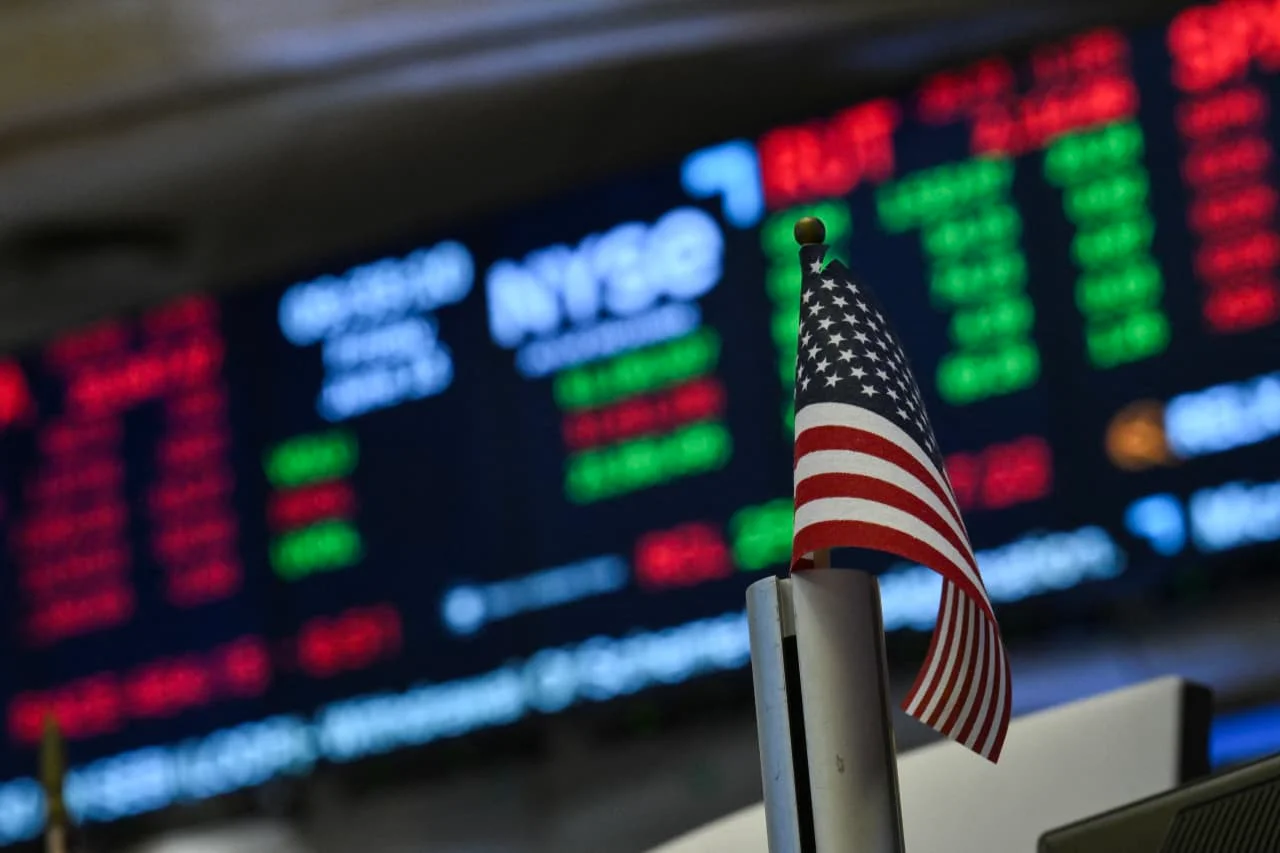
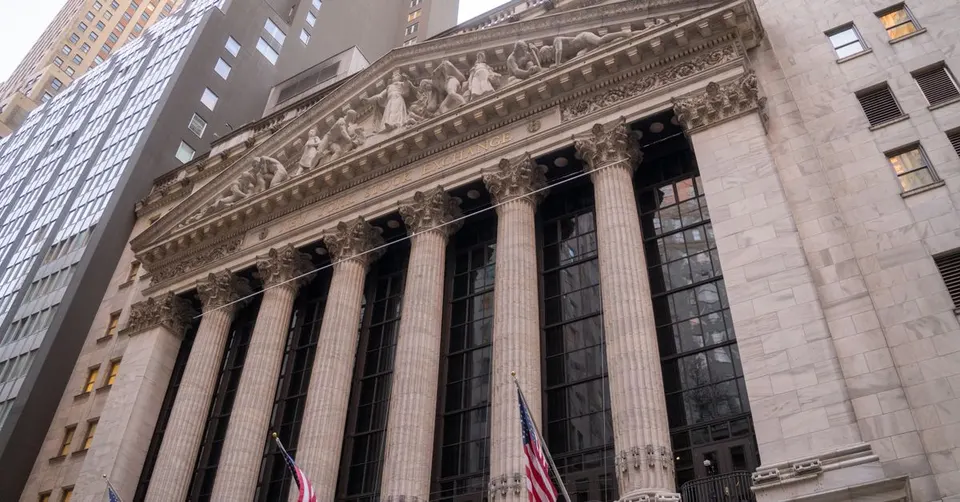
Today, Monday, May 25, 2026, marks Memorial Day in the United States, a federal holiday that has effectively shuttered the New York Stock Exchange and Nasdaq. While Western traders are away from their desks, the ripple effects are being felt acutely in the Middle East. Historically, low liquidity on US holidays can lead to exaggerated price swings in emerging markets as local demand faces a thinned global supply. In Tehran, we are seeing exactly that: the US Dollar has climbed from 174,100 to 175,800 Toman, a 1.0% increase within just 24 hours. This suggests that despite the international pause, local sentiment remains defensive.
For the Iranian investor, this "day off" in the West provides no respite from inflationary pressures. Gold prices in the local market have surged even more aggressively than the currency, with 18k gold rising 2.1% to reach 19,455,422 Toman per gram. This internal rally is fueled by a global surge that has pushed the gold ounce to a staggering $4,572.70. When global equity markets are closed, gold often acts as the primary vehicle for capital flight or risk hedging. The combination of a closed US market and local currency depreciation has created a perfect storm for gold bulls in Tehran.
The Peace Deal Paradox: Trump’s Optimism vs. Tehran’s Defiance
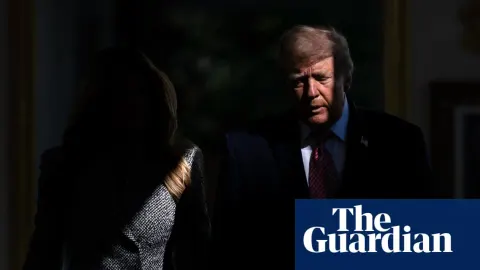
The geopolitical landscape is currently dominated by a confusing "he-said, she-said" dynamic between Washington and Tehran. Over the weekend, Donald Trump claimed a deal with Iran was "largely negotiated," a statement that initially sent oil prices sliding as traders anticipated a return of Iranian crude to the open market. However, the reality on the ground in Tehran looks significantly different. President Masoud Pezeshkian has publicly pushed back against this narrative, stating that Iran will not submit to the "excessive demands" of its enemies. This suggests that while a skeletal framework may exist, the final hurdles—likely involving verification and the permanence of sanctions relief—remain formidable obstacles.
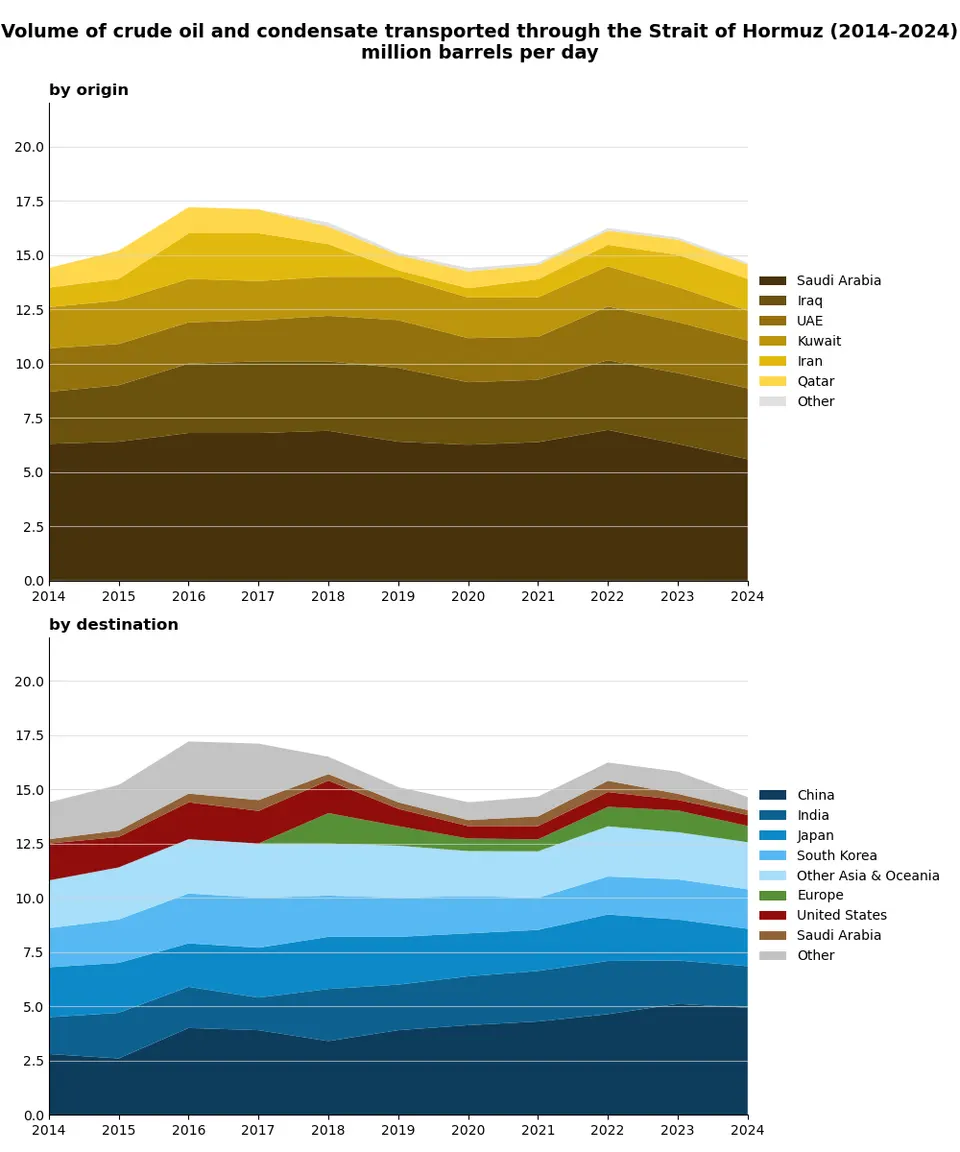
This friction is keeping the energy markets on edge. While Brent crude eased slightly on the hope of a breakthrough, the reopening of the Strait of Hormuz to some commercial traffic has not yet fully stabilized prices. For the average Iranian, this translates to continued uncertainty in the forex market. If the deal is indeed "preliminary and focused on ending war," as some officials suggest, the market is waiting for a concrete signature before it prices in any real recovery for the Rial. Until then, the cycle of escalation and retreat remains the dominant narrative, keeping the Toman under pressure.
Global Risk Clusters: From Ebola Outbreaks to Chemical Alarms
Beyond the corridors of power in D.C. and Tehran, two major safety crises are developing that could impact global stability. In Central Africa, an Ebola outbreak in the Democratic Republic of Congo and Uganda has reached a critical stage, with over 900 suspected cases and 200 deaths. Health officials are struggling with a rare strain that is difficult to test for and treat amidst ongoing regional conflict. While this may seem distant from financial markets, such outbreaks often trigger regional lockdowns and disrupt supply chains for critical minerals, potentially adding a new layer of complexity to the global economic recovery.

Meanwhile, in California, emergency teams are monitoring a failing chemical tank containing highly volatile substances. While officials currently state there is no active leak, the risk of a major explosion has forced local evacuations and heightened industrial safety concerns across the West Coast. These localized crises, combined with the Vatican’s recent 42,000-word warning on the ethical risks of AI by Pope Leo, highlight a world increasingly concerned with systemic fragility. For investors, these events serve as a reminder that risk is not just found in price charts, but in the biological and physical infrastructure that supports global trade.
Frequently Asked Questions
Why is the USD price rising in Tehran while US markets are closed?
What is the current status of the US-Iran peace deal?
How does the Ebola outbreak in Africa affect global investors?
The Geopolitical Impact on Currency Exchange Rates
The value of a nation's currency is a complex reflection of its economic health, interest rates, trade balances, and crucially, its geopolitical standing. Major international events, particularly the imposition or anticipation of sanctions and diplomatic breakthroughs, can trigger significant shifts in exchange rates. The reported "Tehran's Currency Surge" amidst "Iran US peace deal news" highlights this intricate relationship, where market sentiment and expectations about future geopolitical stability can profoundly influence a currency's trajectory.
Economic sanctions, for instance, are designed to isolate a country financially and economically. By restricting trade, limiting access to international banking systems, and deterring foreign investment, sanctions typically lead to a depreciation of the targeted nation's currency. This is because fewer foreign currencies enter the country, while demand for hard currency to facilitate essential imports or circumvent restrictions remains high. The Iranian Rial's historical volatility has often been directly linked to the ebb and flow of international sanctions and nuclear negotiations.
Conversely, the prospect of sanctions relief or a significant diplomatic de-escalation can ignite a "currency surge." Markets react to the anticipation of renewed economic activity, increased foreign direct investment, and easier access to global trade and finance. This optimism can lead to capital inflows and speculative buying of the domestic currency, even before any official agreements are finalized. This phenomenon explains the "peace deal paradox" mentioned in the headline: a currency strengthening not necessarily because a deal is done, but because market participants are betting on its future realization and the subsequent economic benefits.
Understanding this dynamic is vital for anyone tracking international markets. Currency movements in politically sensitive regions are often less about traditional economic indicators and more about the delicate balance of power, diplomatic signals, and market psychology driven by geopolitical risk and opportunity.
Topics
Related Articles