US-Iran Talks Stumble Amid Deep Mistrust; Russia-Iran Trade Surges
مذاکرات آمریکا و ایران در سایه بیاعتمادی عمیق؛ تجارت روسیه و ایران ۲۰٪ افزایش یافت
US-Iran negotiations are mired in deep mistrust, with conflicting signals emerging about a potential peace deal. Meanwhile, trade between Russia and Iran has seen a significant surge, highlighting evolving geopolitical and economic alliances.
At time of publishing
USD
175,400
Toman
Gold 18K
19.36M
Toman / gram
Bitcoin
$77,313
US Dollar
Tether
172,412
Toman
US-Iran Talks Clouded by Deep Mistrust
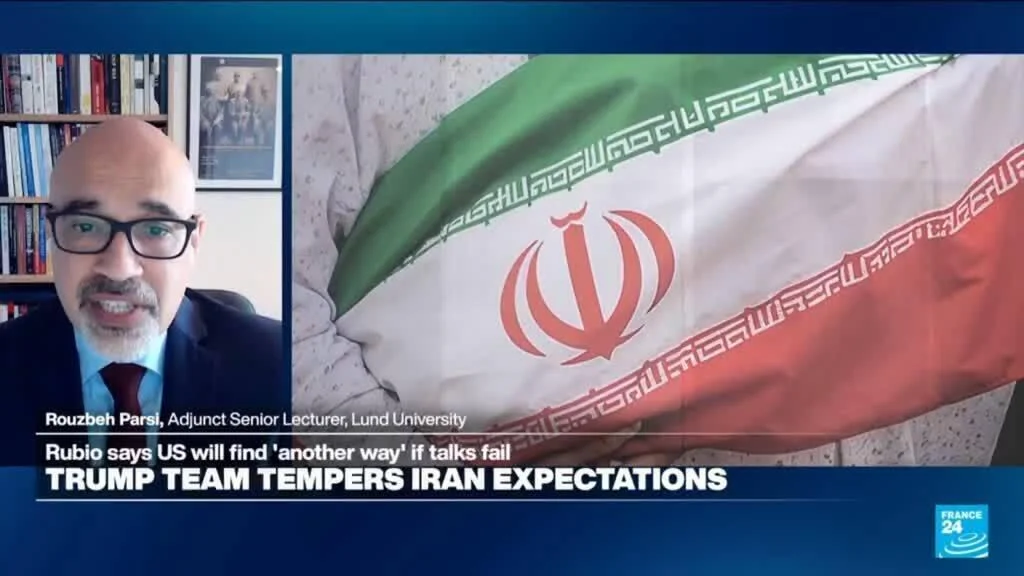
Negotiations between the United States and Iran over a potential diplomatic resolution continue to be hampered by profound mistrust, according to analysts. While both sides have indicated progress on a draft memorandum of understanding, conflicting statements and unresolved key details cast a long shadow of uncertainty over the process. Rouzbeh Parsi, an Adjunct Senior Lecturer at Lund University, noted that while both Washington and Tehran seem to be seeking an exit strategy from their prolonged confrontation, the deep-seated suspicion between them makes finding a credible agreement exceptionally difficult. The risk of escalation into a wider regional conflict, though seemingly being managed, remains a potent undercurrent.
This persistent distrust is not merely a diplomatic hurdle; it has tangible implications for regional stability and global energy markets. The market's reaction to any perceived progress or setback in these talks is immediate, as demonstrated by the recent fluctuations in oil prices. For Iran, the outcome of these negotiations directly impacts its economic future, potentially affecting sanctions relief, trade opportunities, and its overall standing on the international stage. The conflicting signals, such as the insistence from some U.S. officials that a deal is not imminent while Tehran accuses Washington of mixed messaging, underscore the delicate and precarious nature of the current diplomatic climate.
---
Russia-Iran Trade Sees Significant Boost
Trade between Russia and Iran experienced a substantial increase of over 20% in 2025 compared to the previous year, according to statements from the head of the Federal Customs Service of the Russian Federation. This surge in bilateral trade underscores the strengthening economic ties between Moscow and Tehran, particularly in the context of ongoing international sanctions faced by Iran and Russia's own geopolitical positioning.
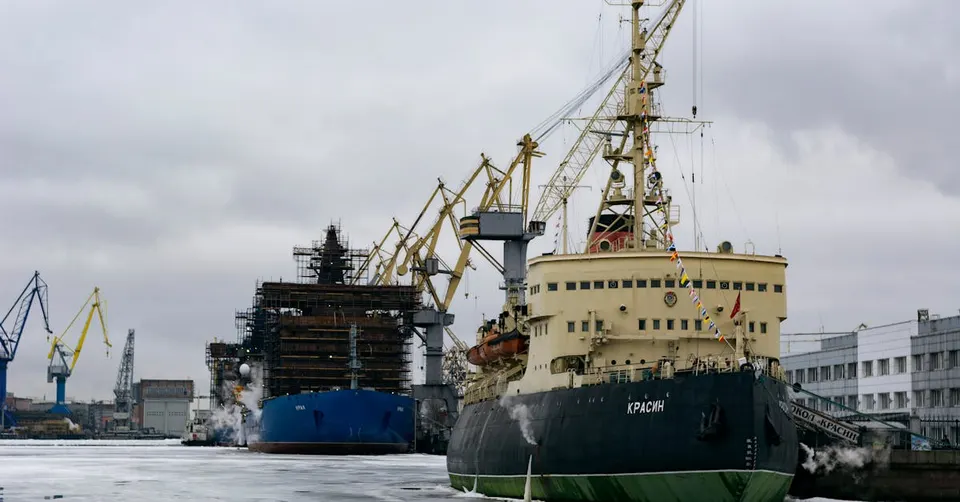
The growth in trade signifies a strategic alignment between the two nations, likely driven by a desire to mitigate the impact of Western sanctions and to foster economic cooperation independently of traditional global financial channels. This development is particularly relevant for Iran, as it seeks to bolster its economy through alternative trade partnerships. The increased volume of goods exchanged suggests a growing reliance on each other for key imports and exports, potentially impacting global supply chains and the flow of commodities. For Russia, it represents another step in its pivot towards Eastern markets and a deepening of its strategic partnerships in the face of Western economic pressure.
---
Oil Prices Dip Amid Peace Deal Hopes, But Caution Prevails
Oil prices experienced a notable decline as hopes for a peace deal between the United States and Iran appeared to gain some traction. However, market analysts are urging caution, warning that a significant jump in oil prices could still occur in July. Fereidun Fesharaki, Chairman Emeritus of energy consultancy FGE NexantECA, highlighted that a prolonged closure of the Strait of Hormuz, a critical chokepoint for global oil transportation, could trigger a "disaster" and a global recession.
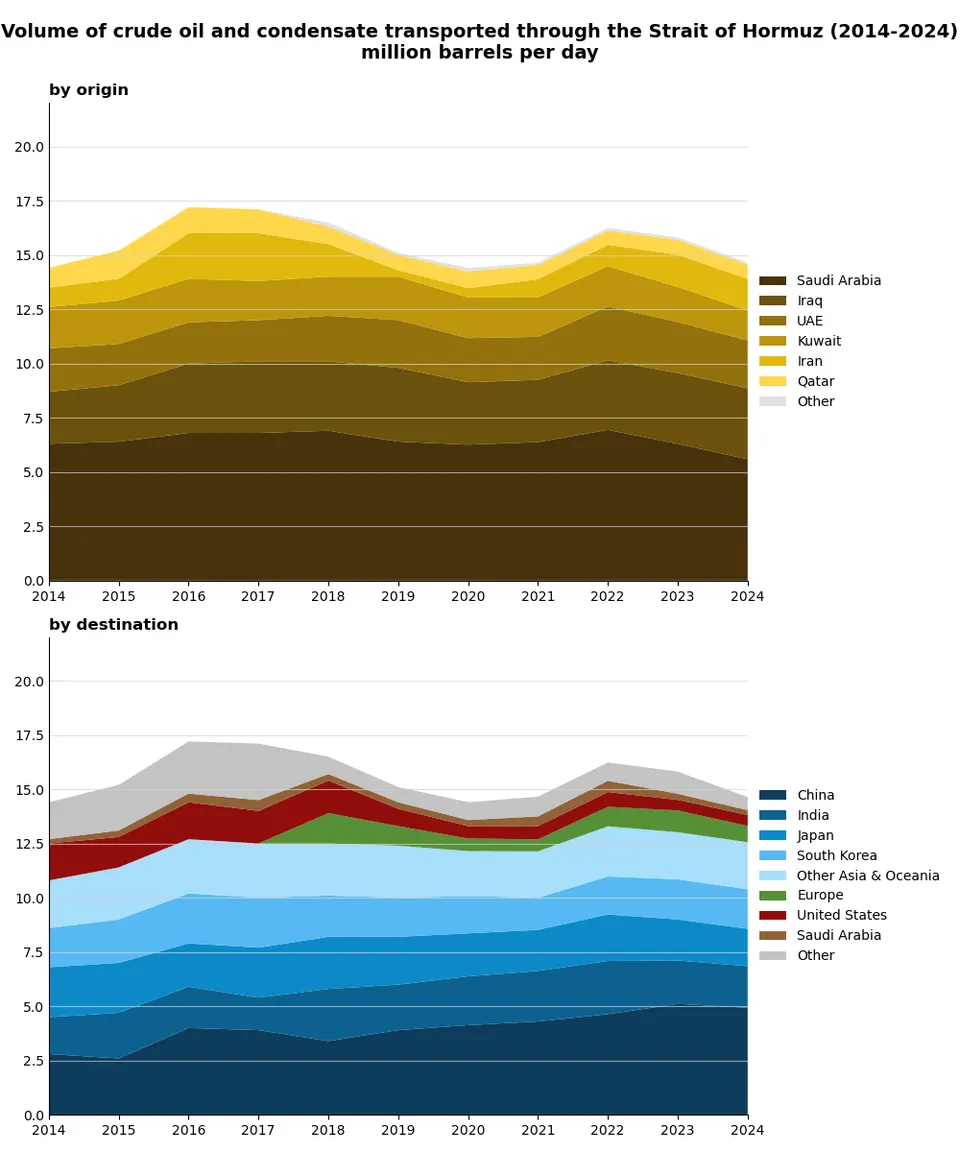
The current market sentiment appears to be absorbing positive news about the potential US-Iran agreement, leading to a temporary dip in crude prices. Yet, the underlying vulnerability of global energy security, particularly concerning the Strait of Hormuz, remains a significant concern. Fesharaki's warning suggests that traders may be overly optimistic, potentially overlooking the severe consequences of any renewed instability in the region. The market's sensitivity to geopolitical developments in the Middle East means that even tentative progress in US-Iran talks can lead to price volatility, but the long-term outlook remains precarious as long as the threat of disruption to oil supplies persists.
---
Pope Francis Warns of AI Risks in Major Encyclical
In a significant move, Pope Francis has issued a 42,300-word encyclical addressing the profound risks associated with artificial intelligence. This marks a powerful intervention by the leader of the Roman Catholic Church into the global discourse on AI, highlighting concerns about its potential misuse and overuse.
The encyclical, titled "Pope Leo Warns of Risks From A.I.", delves into the ethical and societal implications of rapidly advancing AI technologies. It calls for careful consideration of how AI is developed and deployed, emphasizing the need for human oversight and a moral framework to guide its application. The Vatican's engagement on this topic underscores the growing recognition among global leaders and institutions about the transformative power of AI and the urgent need for responsible innovation. This document is expected to influence discussions among policymakers, technologists, and religious leaders worldwide regarding the future of artificial intelligence and its impact on humanity.

The Pope's intervention is particularly timely given the accelerating pace of AI development across various sectors, from healthcare and finance to defense and entertainment. While AI offers immense potential for progress and problem-solving, concerns about job displacement, algorithmic bias, autonomous weaponry, and the erosion of privacy are increasingly prominent. By addressing these issues, Pope Francis aims to foster a global dialogue that prioritizes human dignity, ethical considerations, and the common good in the age of artificial intelligence. The encyclical serves as a moral compass, urging humanity to ensure that AI serves humanity rather than the other way around.
Watch
Middle East: Deep mistrust clouds US-Iran negotiations • FRANCE 24 English
FRANCE 24 English
Frequently Asked Questions
What is the current status of US-Iran negotiations?
How much has trade between Russia and Iran increased?
What is the outlook for oil prices despite the potential US-Iran deal?
What are Pope Francis's concerns regarding artificial intelligence?
How does the US-Iran mistrust impact regional stability?
Understanding Economic Sanctions and Their Geopolitical Impact
Economic sanctions are a powerful tool of foreign policy, essentially a form of economic warfare where one or more countries impose trade barriers, financial restrictions, or other punitive measures against another nation. The primary goal is to compel a target country to change its behavior, whether related to its nuclear program, human rights record, support for terrorism, or other geopolitical actions. These measures can range from targeted asset freezes and travel bans on specific individuals or entities to comprehensive embargoes that restrict nearly all trade and financial transactions with an entire country.
The mechanism of sanctions aims to inflict economic pain by limiting a country's access to international markets, capital, and critical goods. This pressure is intended to create domestic unrest or financial hardship, forcing the targeted government to reconsider its policies. For instance, sanctions against Iran have historically aimed to curb its nuclear ambitions and regional influence, impacting its oil exports and banking sector, which in turn affects global oil prices and the stability of crucial shipping lanes like the Strait of Hormuz.
However, sanctions often come with complex and sometimes unintended consequences. While they can undeniably exert significant pressure, they can also foster deep mistrust, complicate diplomatic efforts, and inadvertently push sanctioned nations into forming alternative alliances and trade relationships. The recent surge in Russia-Iran trade, as highlighted in the headline, exemplifies this phenomenon. Both countries, facing extensive Western sanctions, have found common ground in circumventing these restrictions, developing parallel economic systems, and strengthening their geopolitical ties to mitigate the intended isolation.
This dynamic illustrates how sanctions, rather than solely isolating a target, can reshape global trade routes and foster new strategic partnerships among nations seeking to resist external pressure. Understanding economic sanctions is crucial for grasping the intricacies of international relations, as they are a constant factor in shaping diplomatic negotiations, economic policies, and the balance of power on the world stage.
Topics
Related Articles