Mexico to Host Iran’s World Cup Squad After US Snub; Nuclear Redlines Harden as Toman Holds Steady
مکزیک میزبان تیم ملی ایران در جام جهانی شد؛ تثبیت نرخ تومان همزمان با سختتر شدن خطوط قرمز هستهای
Mexico has stepped in to host the Iranian national football team for the 2026 World Cup after a refusal from the United States, highlighting deep-seated diplomatic friction. Meanwhile, reports of a Trump-Netanyahu pact on nuclear redlines have kept the Iranian Toman in a narrow trading range despite ongoing peace rumors.
At time of publishing
USD
173,600
Toman
Gold 18K
19.14M
Toman / gram
Bitcoin
$77,544
US Dollar
Tether
172,213
Toman
Mexico Becomes Iran’s World Cup Safe Haven
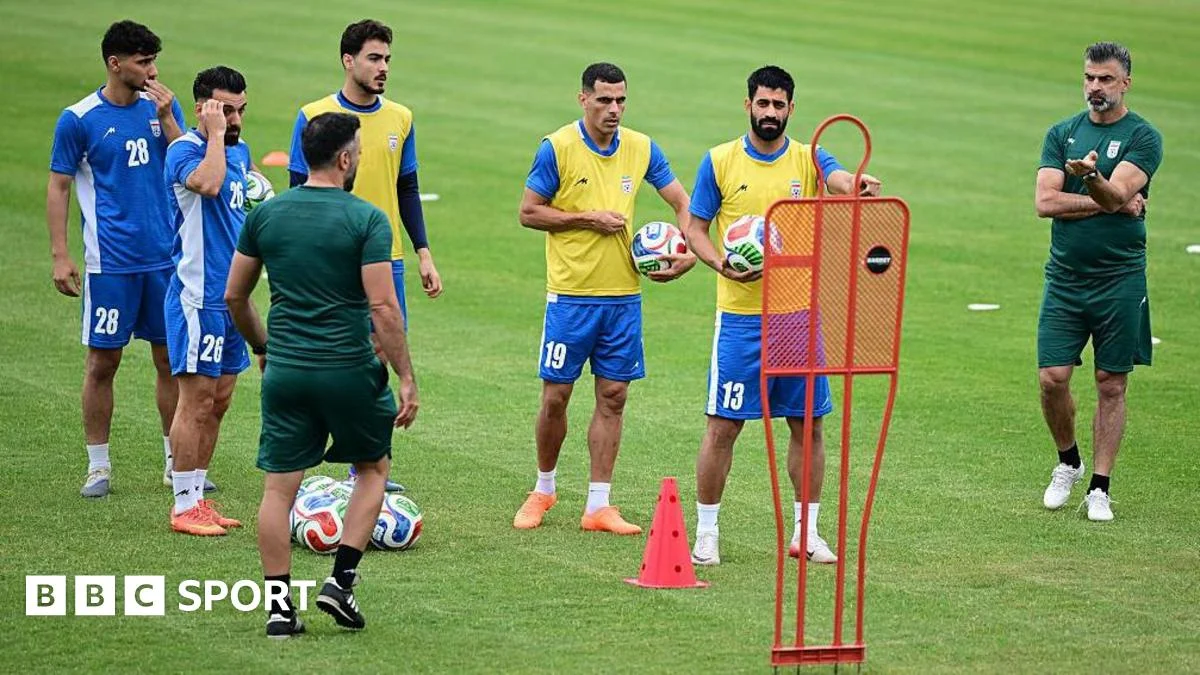
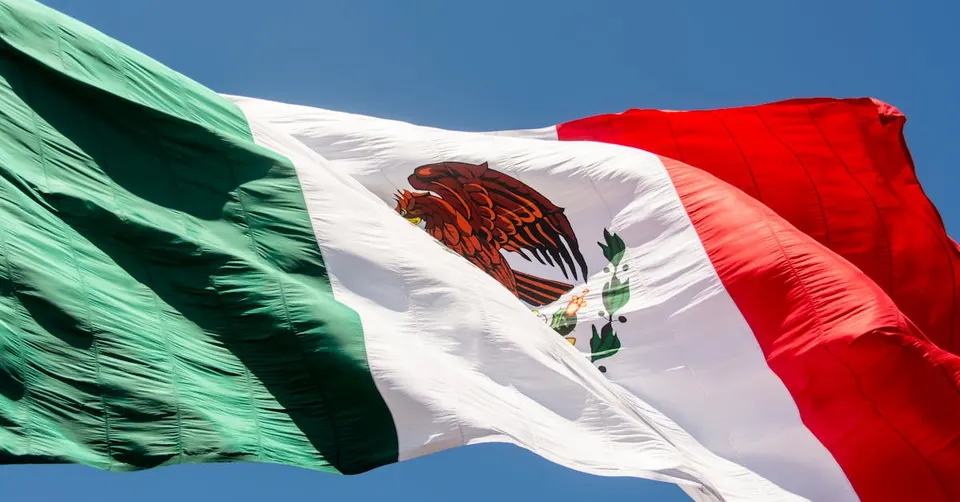
In a move that underscores the persistent diplomatic chasm between Washington and Tehran, Mexican President Claudia Sheinbaum announced on Monday that her government would host the Iranian national football team during the 2026 World Cup. The decision came after FIFA was forced to seek an alternative host when the United States government declined to allow the Iranian squad to maintain a base within its borders. This is particularly striking given that Iran is scheduled to play all three of its group-stage matches on American soil, yet the squad will now have to commute from Mexico for their fixtures.
This development serves as a sobering reminder that despite the "solid" progress reported in recent peace negotiations, the symbolic and security-related mistrust remains at an all-time high. For Iranian citizens and market observers, this snub acts as a psychological counterweight to the optimism surrounding a potential deal. It suggests that even if a diplomatic agreement is reached, the normalization of relations—especially in the realm of public perception and high-profile international events—is still years away. The Toman's relative stability today reflects this balanced sentiment, as the market weighs the hope of sanctions relief against the reality of continued isolation.
Nuclear Redlines and the Toman’s Tightrope
While rumors of a looming US-Iran deal have dominated the headlines for days, a new layer of complexity emerged this evening as Israeli leaders confirmed a shared vision with Donald Trump regarding Iran’s nuclear program. Prime Minister Benjamin Netanyahu’s office indicated that both he and the former US President are in lockstep on "blocking" any path to an Iranian nuclear weapon. This alignment is widely interpreted as a warning to current negotiators: any deal that does not significantly degrade Iran’s nuclear and missile capabilities will face fierce opposition from a potential future Trump administration and its regional allies.
In the Tehran markets, this news has acted as a ceiling for the recent currency rally. The USD/IRR pair, which saw a slight drop from 174,100 to 173,600 Toman (-0.3%), remains sensitive to these geopolitical signals. Investors are increasingly wary that a "weak" deal might only provide temporary relief before being dismantled by shifting political winds in Washington. This caution is evident in the gold market as well, where 18k gold rose slightly by 0.5% to 19,141,234 Toman per gram, suggesting that locals are still hedging their bets with hard assets rather than fully committing to the national currency.

The Privacy Panopticon: Tech Giants Under Fire
Away from the geopolitical theater, a significant blow was dealt to the digital marketing industry as Cox Media and several partner firms were fined by the Federal Trade Commission (FTC). The controversy stems from the companies' previous claims that they could "listen" to users through their smartphone microphones to serve targeted ads—a practice often dismissed as a conspiracy theory but now proven to be a marketing boast that crossed legal lines. While the FTC noted there was little evidence they actually succeeded in widespread eavesdropping, the mere act of claiming such capabilities was deemed deceptive and harmful to consumer trust.
For the broader tech sector and users in emerging markets like Iran, this case highlights the growing regulatory scrutiny over data sovereignty. As AI-driven surveillance tools become more sophisticated, the line between "smart features" and invasive spying is blurring. This legal action serves as a warning to tech startups and fintech firms that transparency in data collection is no longer optional. In an era where trust is the ultimate currency, the fallout from the Cox Media scandal could lead to more stringent privacy laws globally, affecting how international apps and services operate in diverse jurisdictions.

Economic Nationalism: The 'Buy British' Shift
In a move that mirrors the global trend toward protectionism, UK Chancellor Rachel Reeves has instructed government departments to prioritize British companies for major contracts in steel, shipping, energy, and AI. This "Buy British" mandate is a direct effort to bolster domestic industry and reduce reliance on foreign supply chains, even if it comes at a higher short-term cost. Reeves expressed disappointment that significant government business had been flowing abroad, signaling a pivot toward a more resilient, nationalistic economic policy.
This shift is part of a larger global pattern where major economies—from the US to the UK and China—are turning inward to secure their industrial bases. For a sanctioned economy like Iran’s, this trend is a double-edged sword. On one hand, it validates the domestic focus of the "Resistance Economy"; on the other, it makes the prospect of reintegrating into global supply chains more difficult as trade partners become more protective of their own industries. As the UK record-breaking heatwave (reaching 35°C) also strains their local energy infrastructure, the move toward domestic energy procurement becomes not just a matter of economics, but of national security.
Frequently Asked Questions
Why is the Iranian national team staying in Mexico if their matches are in the US?
How did the Trump-Netanyahu nuclear agreement affect the Toman?
Was Cox Media actually listening to phone conversations?
Understanding 'Nuclear Redlines' in International Diplomacy
In the complex world of international relations, a "redline" is a metaphorical boundary or limit, crossing which is understood to trigger a severe and often predetermined response. The concept originates from military strategy and has evolved into a crucial tool in political and diplomatic discourse. Leaders and nations use redlines to clearly signal their non-negotiable interests, deter adversaries from certain actions, and define the parameters of acceptable behavior in sensitive areas.
When applied to nuclear programs, "nuclear redlines" refer to specific thresholds or activities that, if crossed by a state, would be considered an unacceptable threat by another state or the international community, potentially leading to military intervention, harsher sanctions, or other severe consequences. These redlines often relate to the level of uranium enrichment, the acquisition of specific technologies for weaponization, the development of ballistic missiles capable of carrying nuclear warheads, or the withdrawal from international non-proliferation treaties. Their primary purpose is to prevent proliferation and maintain regional and global stability by making the costs of certain actions explicitly clear.
However, the use of nuclear redlines comes with significant challenges. They can be ambiguous, leading to misinterpretations or accidental provocations if not clearly defined and communicated. The credibility of a redline depends heavily on the willingness and capability of the signaling party to enforce it, and a failure to act can undermine future deterrence. Furthermore, setting redlines can escalate tensions, as they limit diplomatic flexibility and create a high-stakes environment where any perceived transgression could rapidly lead to conflict, making careful calibration essential.
In the context of Iran's nuclear program, various international actors, including the United States, Israel, and European powers, have, at different times, implicitly or explicitly articulated their own nuclear redlines. These often revolve around Iran's uranium enrichment capacity, its stockpile of enriched uranium, and its research into advanced centrifuges. The headline's mention of "Nuclear Redlines Harden" suggests a tightening of these declared or implied boundaries, reflecting increased geopolitical tensions and concerns over Iran's nuclear trajectory, making the understanding of this concept vital for comprehending global security dynamics.
Topics
Related Articles