Doha Diplomacy: Iran Refuses Retreat as Trump’s 'Hormuz Deal' Sparks Israeli Backlash
دیپلماسی در دوحه؛ ایران بر مواضع خود پافشاری میکند، اسرائیل از طرح «هرمز» ترامپ نگران است
As top Iranian officials arrive in Doha for high-stakes negotiations, Tehran signals no intention of surrendering its strategic redlines. Meanwhile, Donald Trump’s push to reopen the Strait of Hormuz has triggered a diplomatic rift with Israel, as Netanyahu faces domestic criticism over a lack of strategic gains.
At time of publishing
USD
173,600
Toman
Gold 18K
19.14M
Toman / gram
Bitcoin
$77,424
US Dollar
Tether
172,339
Toman
The Doha Deadlock: Negotiation Amidst Defiance
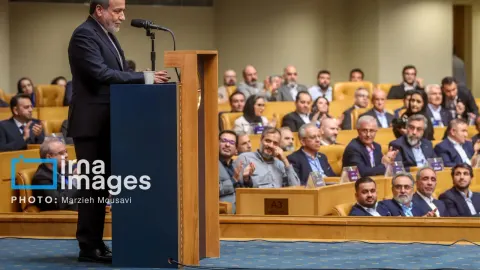
High-level Iranian officials have officially arrived in Doha, Qatar, to resume critical negotiations aimed at ending the regional conflict. Despite the diplomatic movement, the Secretary of Iran’s Supreme National Security Council has issued a stern warning, stating there will be "no surrender or retreat" regarding Tehran's fundamental security interests. This rhetoric appears to be a strategic positioning tactic as Pakistani-mediated talks between Washington and Tehran intensify. The Iranian government is walking a fine line, attempting to leverage the possibility of a deal to stabilize the domestic economy while maintaining its ideological stance against Western pressure. For the average Iranian citizen and market observer, these talks are the primary driver of currency volatility. The Iranian Toman showed a slight strengthening in the last 24 hours, with the USD sell rate moving from 174,100 to 173,600 (-0.3%). This minor appreciation suggests that while the market is cautious, it is pricing in the possibility of a diplomatic breakthrough rather than a total collapse of talks. However, the Emami coin also saw a slight dip from 185,000,000 to 184,500,000 (-0.3%), reflecting a hedging sentiment as traders wait for a definitive signal from the Qatari capital.
Trump’s 'Hormuz First' Policy Alarms Israel
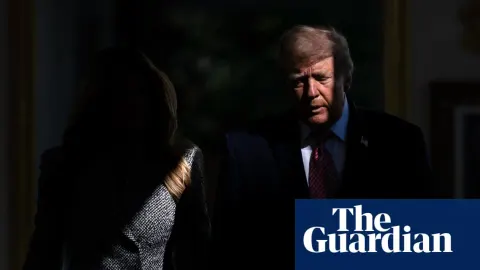
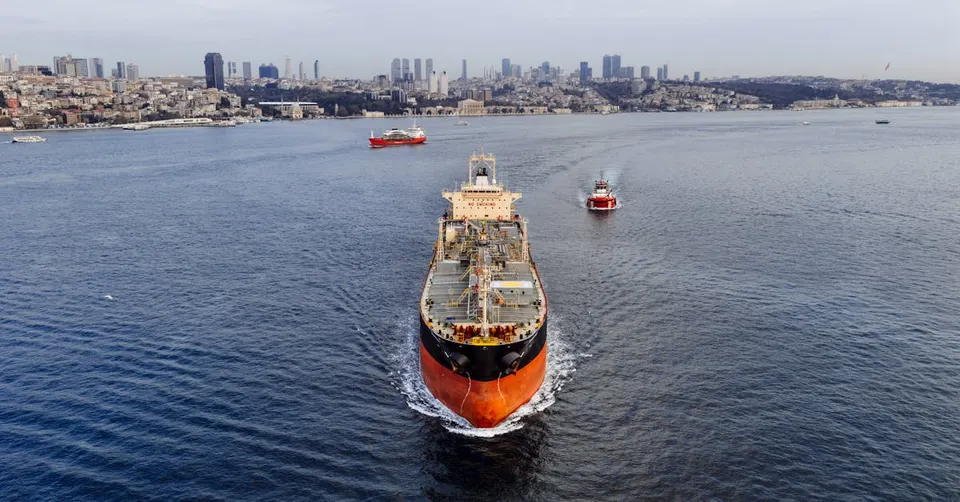
In a dramatic shift from the "regime change" rhetoric that characterized the early months of the conflict, Donald Trump is now reportedly chasing a deal focused on reopening the Strait of Hormuz to global oil tankers. This pragmatic pivot has sparked significant alarm in Tel Aviv. Prime Minister Benjamin Netanyahu, who initially hailed the U.S.-led campaign as a crowning achievement, now finds himself facing a potential deal that leaves the Iranian government in power while granting them economic relief. Critics in Israel argue that three months of intensive warfare may end with few strategic gains, as Hezbollah remains a potent force and Iran’s nuclear infrastructure stays largely intact. This friction between the U.S. and Israel introduces a new layer of complexity to the regional security architecture. If Trump prioritizes global energy stability—needed to lower domestic inflation—over the total containment of Iran, the geopolitical risk premium on oil may begin to deflate. However, Netanyahu’s vow to intensify attacks against Hezbollah in Lebanon suggests that Israel may act independently to secure its borders, potentially derailing the Doha negotiations. For investors, this means that while the Toman may find temporary support, the broader regional risk remains at a multi-year high.
Global Fragmentation: From Alberta to the Digital Frontier
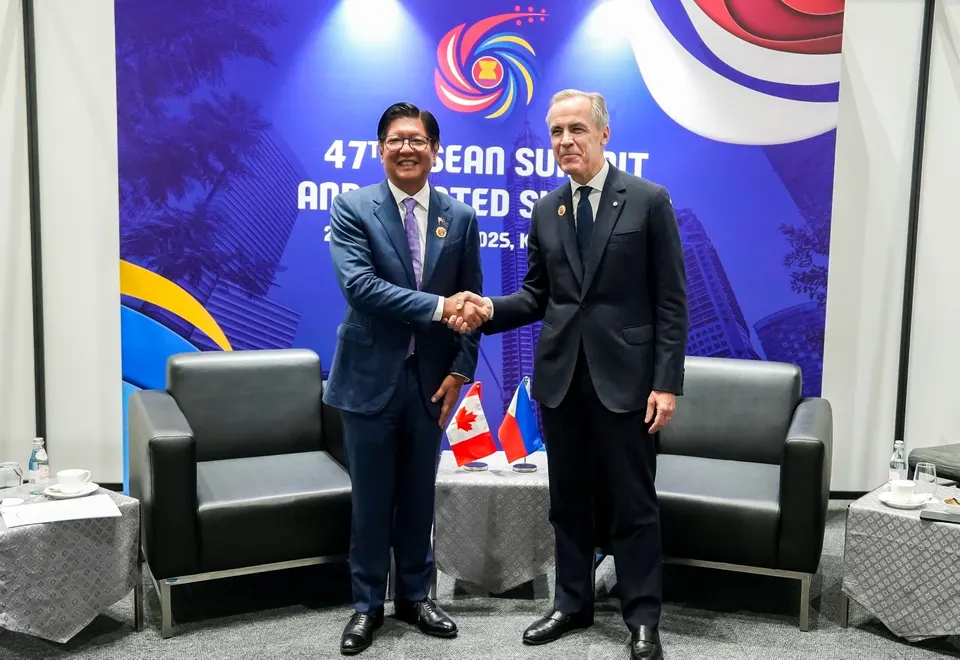
Beyond the Middle East, the theme of political fragmentation is taking hold in the West. Mark Carney, former Governor of the Bank of England, has likened the proposed Alberta referendum on separation from Canada to a "dangerous bluff" reminiscent of Brexit. Carney warned that such separatist movements could backfire, creating economic chaos in a country already struggling with federal-provincial tensions. This mirrors the broader global trend where local political movements are increasingly challenging established unions, adding a layer of unpredictability to Western markets and energy policies that directly impact global trade routes. Simultaneously, a new front is opening in the regulation of technology. Former UK Health Secretary Wes Streeting has called for social media platforms to be treated like the tobacco industry, advocating for a ban on under-16s using certain apps. This follows a growing global consensus, echoed by Pope Leo XIV’s first encyclical, that artificial intelligence and digital platforms must be "disarmed" to prevent them from dominating public life and eroding democracy. As governments move to reassert control over tech giants, we are likely to see a significant shift in how data and digital assets are valued, moving away from the "move fast and break things" era toward a more regulated, state-centric digital economy.
Frequently Asked Questions
Why is the Strait of Hormuz central to the current negotiations?
How has the Iranian market reacted to the 'no retreat' statements from Tehran?
What are the primary concerns of Israel regarding the proposed Trump deal?
Understanding Economic Sanctions and Their Impact on Iran
Economic sanctions are coercive tools used by countries or international bodies to pressure a target nation into changing policies without resorting to military force. They can take many forms—trade embargoes, asset freezes, financial transaction bans, or restrictions on specific sectors such as oil, shipping, or technology. In the case of Iran, the United States has layered sanctions over decades, targeting everything from the country's central bank to its ability to sell crude oil on the global market. The goal has been to curb Tehran’s nuclear program and regional influence, while also signaling disapproval of its support for designated terrorist groups.
The mechanics of sanctions directly affect a nation's macro‑economic environment. By cutting off access to the U.S. dollar and international banking systems, sanctions force Iran to rely on alternative currencies and informal exchange markets, causing the official USD/IRR rate to diverge sharply from the black‑market rate. This volatility erodes confidence, drives inflation, and makes it difficult for Iranian firms to import essential goods or attract foreign investment. The recent “Hormuz Deal” discussed in Doha negotiations aimed to temporarily lift maritime restrictions on the Strait of Hormuz, hoping to ease oil flow and stabilize the exchange rate, but the underlying financial sanctions remained largely intact.
Sanctions also have indirect consequences for global markets. When Iranian oil is constrained, global supply tightens, pushing up crude prices and, by extension, the price of commodities like gold—a traditional hedge against uncertainty. Tehran’s attempts to sell gold abroad to raise hard currency illustrate how sanctions reshape a country’s export basket. Moreover, the sanctions regime influences diplomatic calculations: the United States under Donald Trump pursued a “maximum pressure” strategy, while subsequent negotiations have tried to balance pressure with incentives for compliance.
Understanding sanctions is crucial for interpreting the broader geopolitical chessboard. They are not merely punitive; they are also signals that can reshape trade routes (e.g., the strategic importance of the Strait of Hormuz), affect currency markets, and trigger policy responses in other nations—such as the UK’s debate over social‑media regulation or Canada’s internal political dynamics. By grasping how sanctions work, readers can better assess why a single diplomatic agreement, like the Doha talks, can ripple through exchange rates, commodity prices, and regional security.
For anyone following the evolving Iran‑U.S. relationship, the key takeaway is that sanctions are a multifaceted lever. Their effectiveness depends on international coordination, the target country's economic resilience, and the willingness of both sides to negotiate concrete steps—whether that means reopening a vital chokepoint like Hormuz or adjusting the USD/IRR exchange framework.
Topics
Related Articles