Oil Markets Seesaw as Iran Peace Rumors Clash with New Strikes; Global Inflation Fears Persist
تلاطم در بازار نفت؛ شایعات صلح ایران در تقابل با حملات جدید و هشدارهای تورم جهانی
Global markets are grappling with extreme volatility as conflicting reports of a potential US-Iran peace deal and fresh military strikes send oil prices on a roller coaster. Meanwhile, economic data suggests that even a swift end to the conflict won't immediately cool global inflation, with consumers facing months of high prices.
At time of publishing
USD
173,000
Toman
Gold 18K
19.14M
Toman / gram
Bitcoin
$76,767
US Dollar
Tether
173,808
Toman
The Long Shadow of Supply Chain Disruption
Economic data released this Tuesday morning paints a sobering picture for global consumers, particularly in the UK, where shop price inflation is expected to remain elevated for "many months to come." Despite diplomatic whispers suggesting a potential de-escalation in the conflict involving Iran, the damage to global shipping lanes and raw material costs appears to be deeply structural. Only 16% of firms have reported remaining unscathed by the ongoing maritime instability, leading to a consensus among analysts that the cost-of-living crisis will persist throughout the summer regardless of a ceasefire.
For the Iranian reader, this global trend is a double-edged sword. While persistent global inflation often supports higher commodity prices—potentially benefiting energy exports in the long run—it also increases the cost of imported essential goods and technology. The USD/IRR rate in Tehran has shown a slight softening, moving from 173,600 to 173,000 (-0.3%), but the broader inflationary pressure remains a dominant concern for household purchasing power. The persistence of high prices in the West suggests that the global economic environment will remain restrictive, keeping interest rates high and capital flows volatile.
Oil Markets Caught Between Diplomacy and Fire
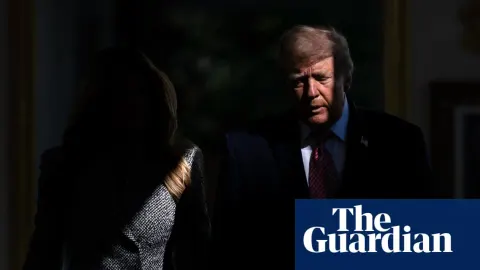
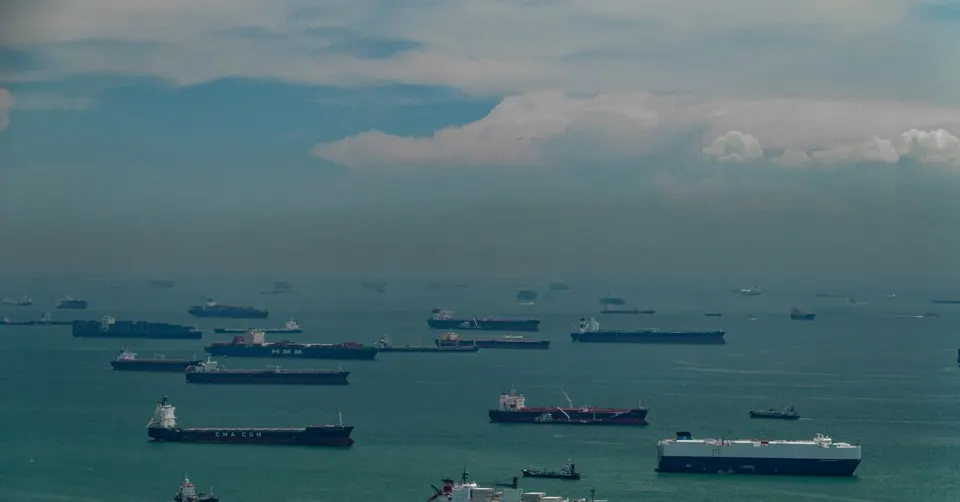
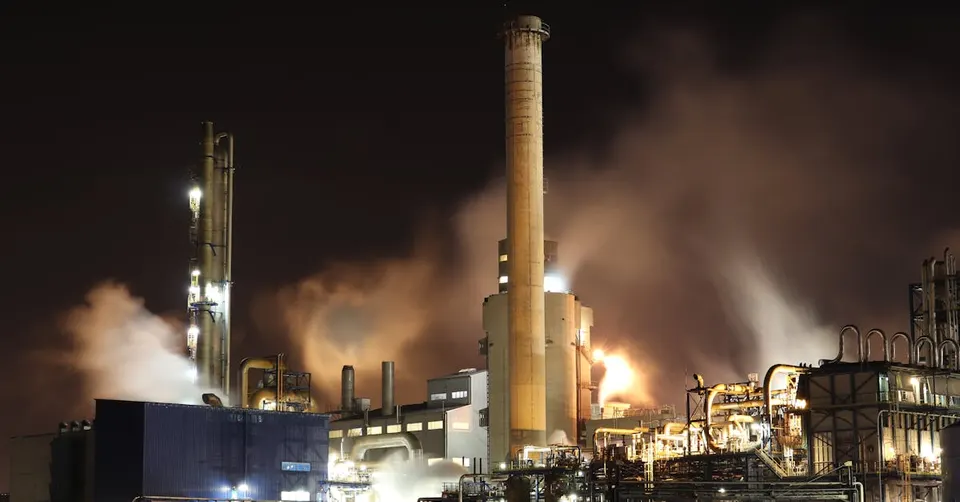
The energy sector experienced a dramatic 24-hour cycle of volatility. Initially, oil prices tumbled significantly following reports that a deal to end the war with Iran and reopen the strategic Strait of Hormuz was within reach. However, this optimism was quickly tempered by two factors: President Trump’s public statement that there is "no rush" to finalize an agreement, and subsequent U.S. Central Command reports of strikes on missile sites in southern Iran. These conflicting signals caused Brent futures to spike back toward $98.39 per barrel, a 2.34% jump after a previous 7% plunge.
This "wait-and-see" approach from the White House, combined with active military engagements, creates a high-risk environment for traders. While stock futures initially surged on the hope of a reopened Hormuz, the reality of continued blockades means that crude could remain above the $100 mark for an extended period. For Iran, this volatility directly impacts the national budget's stability and the Central Bank's ability to manage the Rial. The market is currently pricing in a "geopolitical premium" that refuses to dissipate, as every diplomatic step forward seems to be met with a tactical step back on the ground.
Legal Earthquakes and Cultural Treasures
Beyond the immediate economic sphere, significant legal and cultural developments are unfolding. In Northern Ireland, the trial of former DUP leader Sir Jeffrey Donaldson for alleged sex offences has begun, an event described as a "political earthquake" for the region. Simultaneously, a revelation that British security services were involved in crafting the controversial Legacy Act—which offered amnesties for Troubles-era killings—has sparked fresh outrage among victims' groups. These developments highlight a period of intense institutional scrutiny within one of Iran's significant European trade partners.
In a more surreal turn of events, the art world is bracing for the auction of a 700-year-old King Arthur manuscript, expected to fetch upwards of £2 million. The document, which contains early versions of the Merlin and Grail legends, has remained in private hands for centuries. While seemingly disconnected from the oil markets, the high valuation of such unique historical assets reflects a broader trend among the global elite to move capital into "hard" cultural assets as a hedge against the currency fluctuations and geopolitical instability currently plaguing traditional markets.

Frequently Asked Questions
Why is the USD/IRR rate stable despite oil price volatility?
Will a peace deal immediately lower global prices?
How did US strikes impact the oil market specifically?
Why is a medieval manuscript fetching £2 million right now?
The Strait of Hormuz: Why This Narrow Waterway Holds Global Oil Prices Hostage
The Strait of Hormuz, a 21‑mile-wide channel between Oman and Iran, is one of the world’s most critical chokepoints for petroleum. Roughly 20% of daily global oil consumption – about 21 million barrels – passes through the strait each day, making any disruption instantly felt on the price of Brent, WTI, and other benchmarks. Because the waterway sits at the mouth of the Persian Gulf, where the majority of the world’s proven oil reserves are located, a blockage or a threat of military action can truncate supply before it even reaches the open market, creating a classic supply‑shock scenario.
The strategic importance of the Hormuz corridor stems from both geography and geopolitics. Iran, which controls the northern shore, has repeatedly threatened to close the strait in response to sanctions or military pressure, while the United States and its allies conduct regular naval patrols to ensure freedom of navigation. Historical incidents – such as the 2011 seizure of the St. Bartholomew and the 2019 attacks on tankers – have shown how quickly market participants react, often with sharp spikes in Brent crude volatility and a rush to hedge exposure via futures contracts.
From an economic perspective, the strait’s risk premium is baked into oil‑price forecasts through a concept called “geopolitical risk premium.” Traders add an extra margin to forward prices to compensate for the possibility of a supply interruption. When rumors of conflict (e.g., a new US‑Iran peace deal or renewed sanctions) surface, the premium can swing wildly, explaining the seismically volatile Brent price movements observed in 2024‑2026. Analysts therefore monitor not only physical shipping data but also diplomatic signals from Tehran, Washington, and regional powers.
Understanding the Hormuz dynamic also clarifies why unrelated macro variables—like the UK’s May 2026 inflation forecast or the USD/IRR exchange rate—can be indirectly affected. Higher oil prices feed into global inflation, influencing central‑bank policy and currency values. Hence, a seemingly local maritime incident can ripple through the entire global economy, underscoring the interconnectedness of geopolitics and markets.
For a deeper dive, see the International Energy Agency’s analysis of Persian Gulf chokepoints, the U.S. Navy’s Freedom of Navigation Operations reports, and the historical timeline of Hormuz‑related oil price shocks on Wikipedia.
Topics
Related Articles