Trump’s ‘Abraham’ Ultimatum Meets New Battlefield Realities: Iran Briefing
اولتیماتوم ترامپ برای «پیمان ابراهیم» و واقعیتهای جدید میدان نبرد: گزارش ویژه ارزبين
As drone warfare links the fronts in Ukraine and Iran, President Trump demands an expansion of the Abraham Accords as a condition for peace. Meanwhile, the Toman holds steady at 173,000 as markets weigh the risk of the Strait of Hormuz closing against the hope of a Doha deal.
At time of publishing
USD
173,000
Toman
Gold 18K
18.98M
Toman / gram
Bitcoin
$76,686
US Dollar
Tether
172,902
Toman
The Unified Front: How Ukraine and Iran Conflicts Are Merging
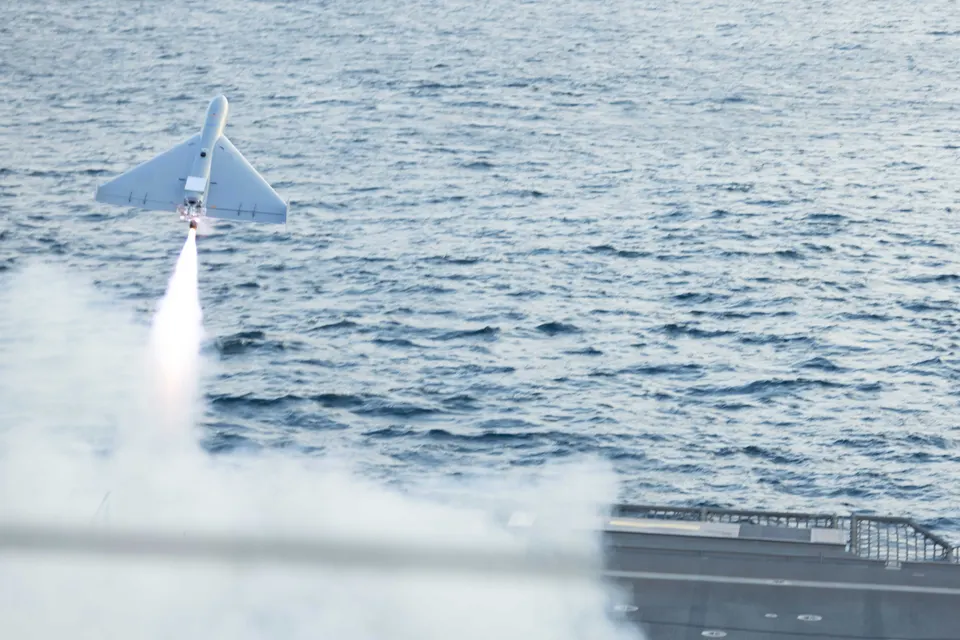
The nature of modern warfare is undergoing a radical shift, as documented in recent reports highlighting the deep technological and diplomatic intersections between the conflicts in Ukraine and the Middle East. This is no longer a matter of isolated regional skirmishes; rather, it is the birth of a unified global battlefield where Iranian drone technology and Russian tactical requirements have created a feedback loop. These developments have fundamentally changed how Western powers view the security of the Persian Gulf, as the same systems tested in the plains of Eastern Europe are now being deployed or threatened within the regional context of Iran’s borders.
For the Iranian economy, this synergy brings both risk and a perverse form of leverage. While the defense sector sees increased integration with global adversaries of the West, the secondary effect is a tightening web of sanctions that target the very supply chains making this technology possible. Investors in Tehran are closely watching these developments, as any further escalation in the Ukraine theater now has a direct, measurable impact on the diplomatic capital Iran can bring to the negotiating table in Qatar. The intersection of these wars means that a ceasefire in one region may now be inextricably linked to concessions in the other.
Trump’s High-Stakes Gambit: The Abraham Accords Expansion
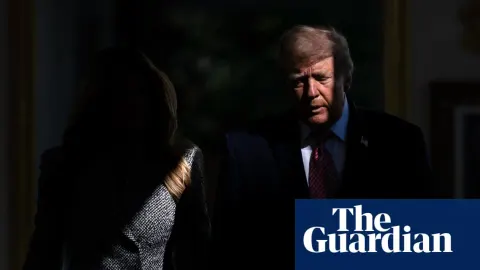
President Donald Trump has significantly raised the stakes in the ongoing negotiations to end the three-month-old conflict with Iran. In a move that has sent shockwaves through regional capitals, the U.S. administration has signaled that any final deal or "memorandum of understanding" must include the mandatory entry of major regional powers—including Saudi Arabia, Turkey, and Egypt—into the Abraham Accords. This demand seeks to fundamentally redraw the map of the Middle East, moving beyond a simple bilateral ceasefire and toward a comprehensive regional realignment that isolates Tehran’s traditional influence while normalizing ties with Israel.
This aggressive diplomatic posture has already begun to move global energy markets. Brent crude oil fell below the $100 per barrel mark for the first time in two weeks as traders reacted to the possibility of a grand bargain. However, the complexity of these demands cannot be overstated; by tying a peace deal to the Abraham Accords, the U.S. is forcing regional players to choose between their long-standing diplomatic stances and the immediate need for stability in the Strait of Hormuz. For the Iranian market, this has led to a cautious pause. The USD/IRR rate moved from 173,600 to 173,000, a minor -0.3% decrease, reflecting a market that is waiting for a concrete sign that these high-level demands are actually feasible.
Hormuz Under the Lens: Threats and Market Stability
As negotiators meet in Doha, the rhetoric surrounding the world's most vital energy chokepoint has reached a fever pitch. U.S. Secretary of State Marco Rubio has stated that the Strait of Hormuz will remain open "one way or the other," a clear signal that military intervention remains on the table if diplomatic efforts fail. This follows a period of heightened tension where U.S. strikes targeted Iranian missile sites and mine-laying vessels. In response, Iranian leadership has issued stern warnings via social media, suggesting that Gulf powers can no longer serve as a "shield" for U.S. bases, effectively threatening a wider regional conflagration if the current framework for peace collapses.
Despite these existential threats, the domestic Iranian market is showing a surprising level of resilience, or perhaps exhaustion. Gold 18k/gram prices dropped from 19,141,234 to 18,978,253 Toman, a -0.9% decrease, while the Emami coin remained flat at 184,500,000 Toman. This suggests that while the geopolitical rhetoric is hot, the immediate panic that characterized the early weeks of the conflict has subsided into a "wait-and-see" approach. Investors are balancing the threat of a closed Strait against the reality of a U.S. administration that is clearly desperate to finalize a deal and lower global energy costs before the next economic cycle.

Global Economic Echoes: From UK Jobs to Energy Security
The ripples of Middle Eastern instability are being felt as far away as the United Kingdom, where business leaders are warning of a "dramatic fall" in entry-level employment. As energy costs and global uncertainty weigh on corporate balance sheets, companies like Next are reporting a massive surge in applicants for a shrinking pool of roles. This global economic cooling is a double-edged sword for Iran; while it reduces the global demand for oil, it also increases the pressure on Western governments to settle regional conflicts that contribute to inflation and supply chain disruptions. The interconnection of these events proves that a merchant in Tehran and a job-seeker in London are now tied to the same geopolitical strings.
Frequently Asked Questions
Why is Trump making the Abraham Accords a condition for an Iran deal?
How does the conflict in Ukraine directly affect the Iranian Toman?
What happens to oil prices if the Strait of Hormuz is partially blocked?
The Geopolitical Significance of the Strait of Hormuz
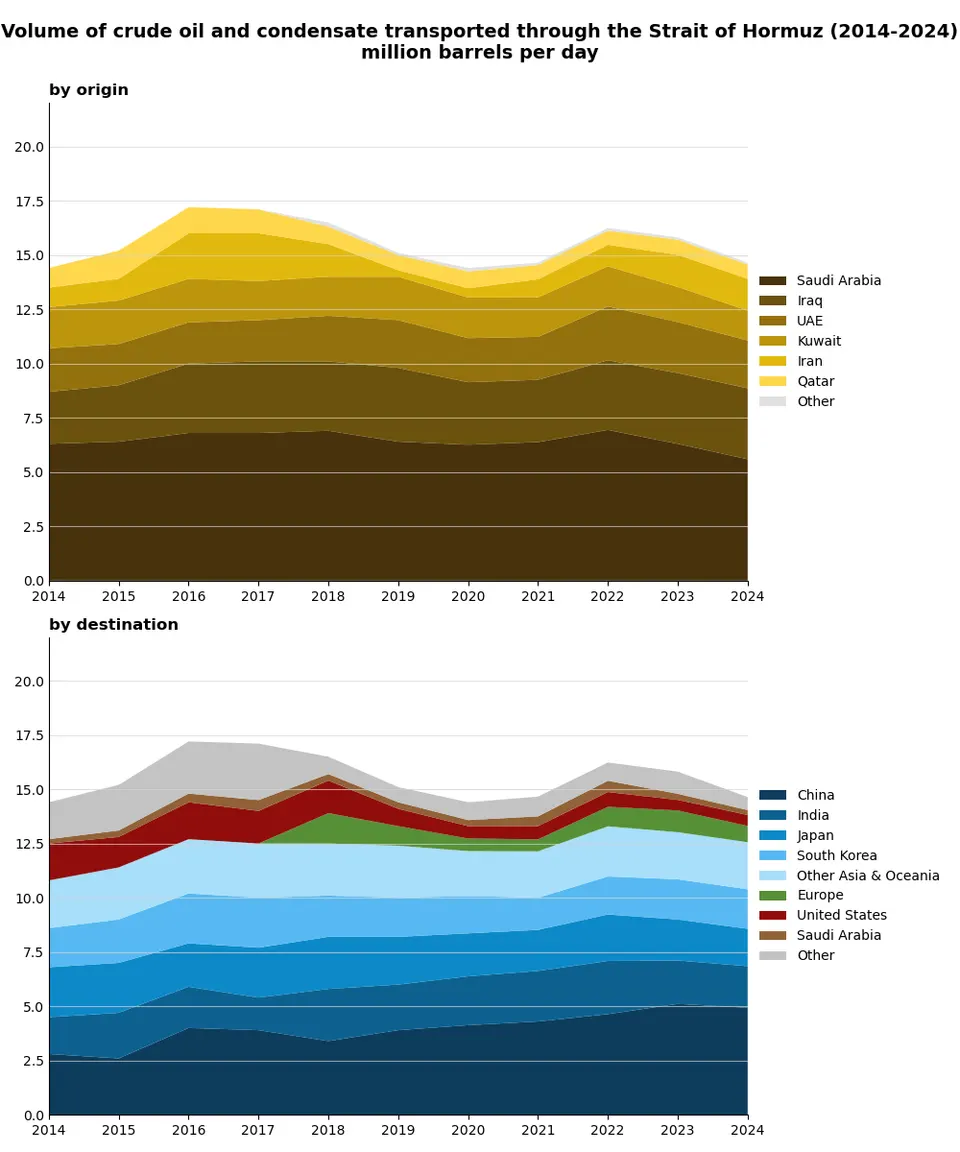
The Strait of Hormuz is one of the world's most critical maritime chokepoints, a narrow waterway connecting the Persian Gulf to the Gulf of Oman and the wider Arabian Sea. Flanked by Iran to the north and Oman's Musandam Peninsula to the south, this strategic passage is barely 21 nautical miles (39 kilometers) wide at its narrowest point. Its geographical location makes it an indispensable conduit for a substantial portion of the world's seaborne oil, with tankers navigating its waters carrying crude oil and liquefied natural gas from major producers in the Middle East to global markets.
Economically, the Strait's importance cannot be overstated. Roughly one-fifth of the world's total petroleum consumption, and a significant percentage of global liquefied natural gas (LNG) supply, passes through this waterway daily. Any disruption, even a perceived threat of one, can send shockwaves through international energy markets, leading to volatile price fluctuations for benchmarks like Brent crude. The stability of global energy prices and the security of supply for countries reliant on Middle Eastern oil are inextricably linked to the unimpeded flow of traffic through the Strait.
From a geopolitical perspective, the Strait of Hormuz is a perpetual flashpoint. Iran's strategic position along the northern coast grants it significant leverage, and the country has historically threatened to close the Strait in response to international pressure, sanctions, or military actions. Such a closure, or even a sustained period of heightened tension, would have catastrophic consequences for the global economy and could trigger a major international crisis. Consequently, ensuring the freedom of navigation through the Strait is a paramount security interest for numerous global powers, leading to a continuous military presence and complex diplomatic maneuvering in the region to safeguard this vital artery of global commerce.
Topics
Related Articles