Texas Runoff Tests Trump’s Grip as US Strikes and Diplomacy Collide in Southern Iran
دوئل انتخاباتی در تگزاس همزمان با تنش نظامی و سیگنالهای متناقض دیپلماسی در جنوب ایران
A high-stakes Republican runoff in Texas serves as a litmus test for Trump’s influence, while the Pentagon carries out 'self-defense' strikes in Iran despite claims of diplomatic progress. Meanwhile, Tehran clarifies its stance on Strait of Hormuz fees as local markets see a slight cooling in volatility.
At time of publishing
USD
173,400
Toman
Gold 18K
19.05M
Toman / gram
Bitcoin
$77,144
US Dollar
Tether
171,454
Toman
The Texas Litmus Test: Trump’s GOP Grip and Iran Policy
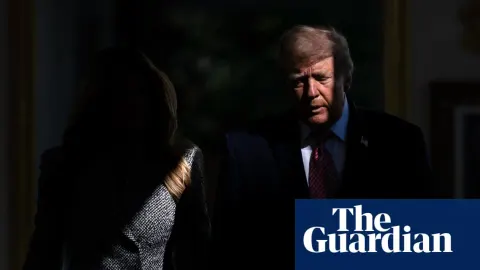
In a pivotal moment for the American Republican party, Texas is holding a high-stakes Senate runoff election today that pits the old-guard incumbent John Cornyn against the Trump-backed Ken Paxton. This isn't just a local primary; it is a definitive test of Donald Trump’s absolute control over the GOP. Paxton, described by Trump as a "true MAGA warrior," represents the more aggressive, populist wing of the party, while Cornyn represents the traditional establishment. For Iranian observers, the outcome is critical: a Paxton victory would solidify a Republican platform that is increasingly aligned with Trump’s "Abraham Ultimatum" and his specific brand of transactional foreign policy, which could either lead to a swift, unconventional grand bargain or a return to maximum pressure.

The political landscape in the US is currently fractured, and this internal Republican struggle directly influences the credibility of ongoing negotiations. As Trump attempts to purge less devoted leaders from the party, his ability to deliver on international promises—such as those involving the Strait of Hormuz or nuclear enrichment—depends heavily on having a unified legislative front. If his hand-picked candidates continue to sweep these runoffs, the market should expect a more decisive, albeit unpredictable, American stance in the Middle East heading into the late 2026 election cycle.
Kinetic Action vs. Diplomatic Optimism: The Southern Iran Paradox
While the political theater unfolds in Texas, the reality on the ground in the Persian Gulf remains volatile. The U.S. military recently carried out what it termed "self-defense" strikes against missile launch sites and naval assets in southern Iran. These strikes occurred even as President Trump took to social media to claim that negotiations are "proceeding nicely" and might be only days away from a framework agreement. This disconnect between kinetic military action and diplomatic rhetoric has left analysts and markets in a state of confusion. The strikes target the very infrastructure—missile boats and mine-laying vessels—that Iran uses to project power in the Strait of Hormuz, suggesting that the US is negotiating from a position of active containment.
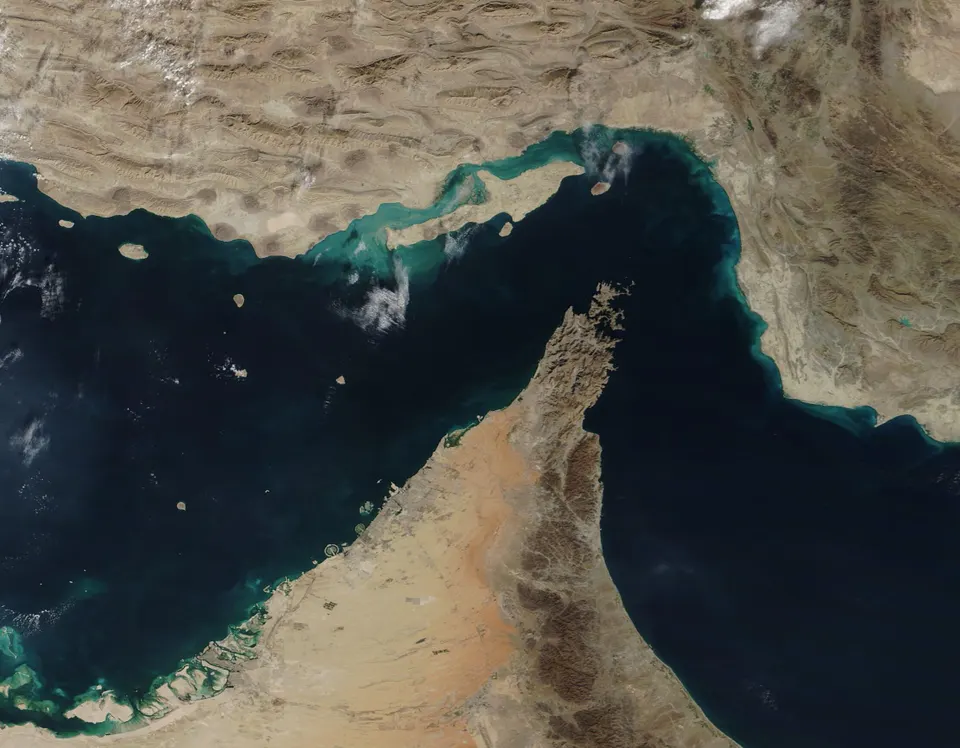
Esmail Baghaei, the spokesperson for Iran’s negotiating team, recently poured cold water on the idea that a deal is imminent, citing the "confusion in US positions" and interference from regional actors as primary obstacles. Interestingly, Baghaei clarified Tehran’s position on the Strait of Hormuz, noting that the proposed charges for transit are not "tolls" in the traditional sense but rather "fees for navigational services" to be agreed upon by Oman and Iran. This semantic shift is significant; it frames the issue as a matter of maritime law and service provision rather than a geopolitical blockade, potentially offering a face-saving exit for both sides if a deal on maritime security is reached.
Market Snapshot: Tehran Prices Cool Amid Global Shrug
Despite the reports of strikes and the heated rhetoric from Washington, the Iranian domestic market has shown a surprising degree of resilience and even a slight cooling trend. At 14:00 Tehran time, the USD sell rate in the open market moved from 173,600 to 173,400 Toman, a minor decrease of 0.1%. This suggests that the local market had already priced in a high degree of geopolitical risk and is now waiting for more concrete signals from the diplomatic front. Gold and coin markets followed suit, with the Emami coin dropping from 184,500,000 to 182,000,000 Toman, a more pronounced 1.4% decline. This move reflects a temporary reduction in the "war premium" as traders hedge their bets on the success of the rumored framework agreement.
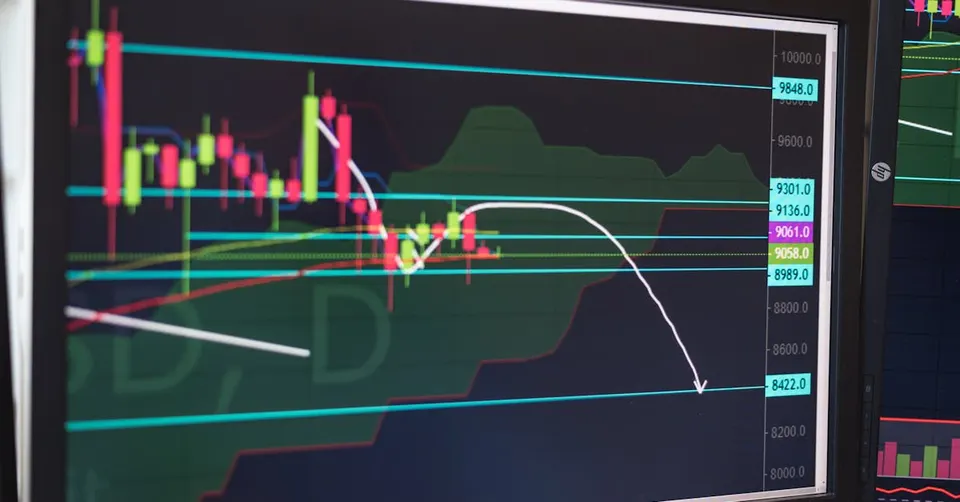
Globally, markets are largely shrugging off the threat of Iranian retaliation. While oil prices saw a brief jump in Asian trade Tuesday morning following the strikes, they remain sensitive to the broader narrative of a potential deal. On Monday, prices had slumped by 5% on hopes of a breakthrough. The current range-bound behavior of Bitcoin, which is hovering around $77,144, further illustrates a global "wait-and-see" approach. For the Iranian investor, the message is clear: while the headlines are loud, the actual flow of capital suggests a cautious optimism that the current cycle of strikes will not escalate into a full-scale regional conflict before the diplomatic window closes.
Frequently Asked Questions
Why is the Texas Senate runoff important for Iran?
What are the 'navigational fees' Iran is proposing for the Strait of Hormuz?
Why did the price of gold and USD drop in Tehran despite US strikes?
The Geopolitical Significance of the Strait of Hormuz
The Strait of Hormuz is a narrow, strategically vital waterway connecting the Persian Gulf to the Arabian Sea and, by extension, the broader Indian Ocean. This maritime 'choke point' is one of the world's most critical shipping lanes, geographically located between Oman and Iran. Its unique position makes it an indispensable conduit for international trade, particularly for the global energy market, and a focal point for geopolitical tensions.
Economically, the Strait of Hormuz is an unparalleled global artery. An estimated one-fifth of the world's total petroleum consumption and a significant portion of its liquefied natural gas (LNG) transit through this strait daily. Countries like Saudi Arabia, Iran, Iraq, Kuwait, Qatar, and the UAE rely heavily on this passage to export their vast hydrocarbon resources to markets in Asia, Europe, and North America. Any disruption, even minor, can send immediate shockwaves through global energy markets, leading to volatile oil prices and significant economic repercussions worldwide.
Geopolitically, the Strait of Hormuz is a frequent flashpoint, especially in the context of relations between Iran and various international powers, including the United States. Iran's strategic location along the northern coast of the Strait grants it significant leverage, and the country has, at times, threatened to impede or block shipping in response to international sanctions or military pressures. This makes the Strait a constant arena for military posturing, maritime security concerns, and intricate international diplomacy aimed at maintaining stability and freedom of navigation.
Ensuring the security and open passage through the Strait of Hormuz is therefore a paramount concern for global economic stability and international security. Naval forces from various nations, including the U.S. Fifth Fleet, operate in the region to deter threats, counter piracy, and safeguard commercial shipping. The ongoing challenges, from potential blockades to maritime incidents, underscore why this narrow stretch of water remains one of the most closely watched and strategically important areas on the planet.
Topics
Related Articles