Iran Internet Blackout Continues; US Strikes Complicate Peace Hopes; Crypto Bleeds Billions
قطعی اینترنت در ایران ادامه دارد؛ حملات آمریکا امید صلح را پیچیده میکند؛ میلیاردها دلار از رمزارزها خارج شد
Despite regime claims, Iran's extensive internet blackout persists, raising questions about political or technical causes. Meanwhile, fresh US strikes on Iranian targets are complicating market optimism for a de-escalation, leading to significant outflows from crypto markets.
At time of publishing
USD
173,400
Toman
Gold 18K
18.99M
Toman / gram
Bitcoin
$77,194
US Dollar
Tether
171,601
Toman
Iran's Digital Silence Persists Amidst Conflicting Signals
Iran's internet blackout, now in its 88th day since being imposed during the January protests, shows no sign of ending, despite an announcement from the regime on Tuesday suggesting a resolution. Internet monitors report no immediate impact from the declaration, leaving it unclear whether technical malfunctions or deliberate political decisions are responsible for the prolonged shutdown. This extended period of digital isolation has significant implications for Iranians, impacting everything from daily communication and access to information to economic activity and the free flow of news.
The prolonged blackout raises concerns about the government's control over information and its willingness to restrict digital access as a means of suppressing dissent. The lack of transparency surrounding the issue fuels speculation about the underlying causes and the government's long-term strategy for internet governance. For citizens, the continued disconnection isolates them from the global community and hampers their ability to conduct business or stay informed, potentially exacerbating economic anxieties and undermining confidence in the regime's ability to manage the nation's digital infrastructure.
---
Market Turmoil as US Strikes Cloud Iran Peace Prospects
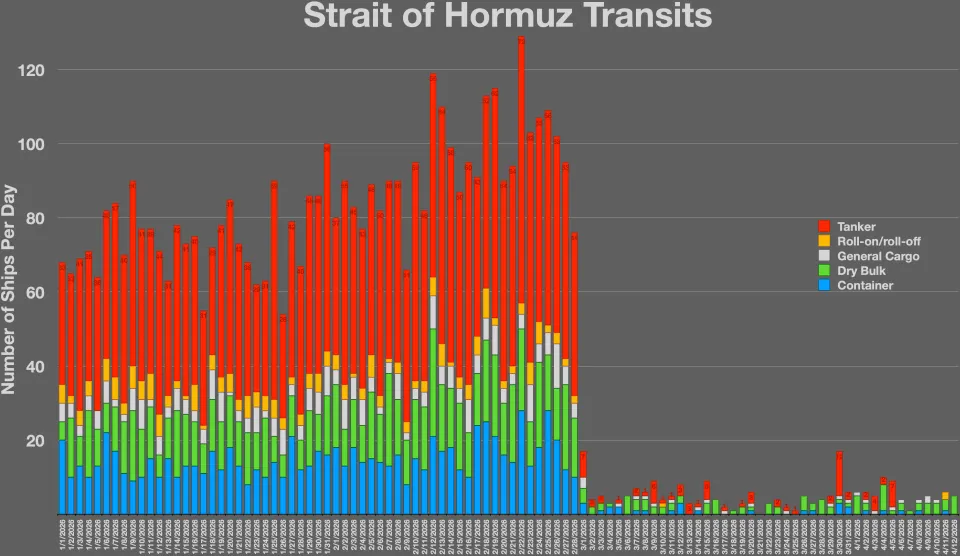
Fresh US airstrikes targeting Iranian missile sites and vessels in southern Iran have injected a new layer of uncertainty into the geopolitical landscape, significantly complicating market expectations for a swift de-escalation. While the July contract for West Texas Intermediate crude saw a decline on Tuesday, this followed initial price jumps in Asian trade attributed to the strikes. The market had previously shown optimism, with oil prices slumping 5% on Monday due to hopes for a U.S.-Iran deal. However, these new strikes have dampened that sentiment, creating a more volatile environment in the Persian Gulf and the critical Strait of Hormuz shipping lanes.
The IRGC's warning of a "definite response" to any further US ceasefire violations, coupled with reports of Iran shooting down a US drone and forcing others to retreat, underscores the heightened tensions. This military posturing, alongside Iran's accusations against the US for alleged "war crimes" in Lamerd, creates a complex backdrop for any potential peace negotiations. The market's reaction highlights the delicate balance between diplomatic overtures and kinetic actions, with investors closely watching for any sign of further escalation or a genuine breakthrough.
---
Crypto Markets Suffer Billions in Outflows Amidst Risk-Off Sentiment
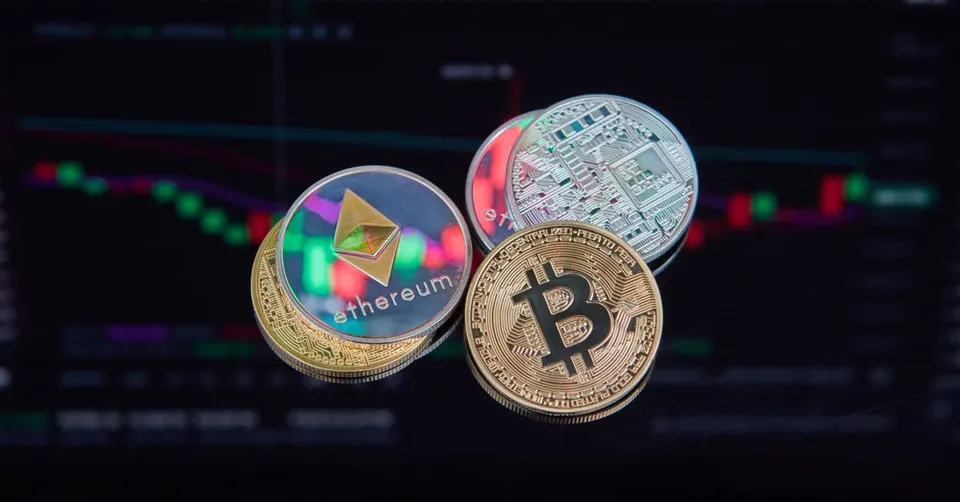
Global cryptocurrency markets are experiencing significant headwinds, with crypto Exchange Traded Products (ETPs) logging outflows totaling $1.47 billion last week. Bitcoin funds bore the brunt of these losses, signaling a broader risk-off sentiment gripping investors. This downturn comes despite some altcoin ETPs attracting modest inflows, suggesting a selective flight to perceived safety within the digital asset space, or perhaps a focus on specific projects rather than the market as a whole.
The broader market narrative is one of caution. Bitcoin's price chart is showing signs of forming a potential lower high, even as traditional stock markets like the S&P 500 and Nasdaq 100 futures show upward momentum. Ethereum, meanwhile, remains range-bound, and its total value locked on the network has hit 13-month lows, with price charts targeting a drop to $1,800. This suggests that the speculative fervor that characterized earlier periods may be waning, replaced by a more conservative approach as investors weigh the potential for interest rate cuts against persistent inflation fears and geopolitical instability.
Frequently Asked Questions
Why is Iran's internet still down?
How are recent US strikes affecting oil prices and geopolitical stability?
What is causing the large outflows from cryptocurrency markets?
What does the IRGC's warning mean for US-Iran relations?
Are there any positive developments in the crypto market despite the outflows?
The Strait of Hormuz: Global Chokepoint for Energy and Geopolitical Risk
The Strait of Hormuz is a narrow, yet immensely critical, waterway connecting the Persian Gulf to the open ocean. Its strategic importance cannot be overstated: roughly one-fifth of the world's total petroleum consumption, along with a significant portion of liquefied natural gas (LNG), transits through this chokepoint daily. This makes it a vital artery for global energy supply, directly impacting economies worldwide.
Any geopolitical tension or perceived threat to navigation within the Strait, especially involving key regional actors like Iran and its Islamic Revolutionary Guard Corps (IRGC), immediately sends ripples across global markets. For instance, reports of "US strikes" or increased military activity in the region, as suggested by the keywords, can trigger concerns about potential disruptions to this crucial shipping lane. Such fears translate into what economists call a "geopolitical risk premium" on oil prices.
A geopolitical risk premium is an added cost built into commodity prices, particularly oil, to account for the potential of supply disruptions due to political instability, conflict, or blockades. Investors and traders factor in this uncertainty, driving up prices even without an actual disruption, simply based on the risk of one occurring. This explains why "oil prices" are highly sensitive to "geopolitics" and events near the "Strait of Hormuz."
Beyond oil, heightened geopolitical instability can also affect broader market sentiment. When global tensions escalate, investors often seek safer assets, leading to capital flight from riskier investments. This phenomenon can contribute to "crypto outflows," as seen with "Bitcoin" and other digital currencies, as investors de-risk their portfolios in the face of uncertainty. Thus, the seemingly disparate events of regional conflict and cryptocurrency market movements are often interconnected through the overarching theme of geopolitical risk emanating from critical chokepoints like the Strait of Hormuz.
Topics
Related Articles