Diplomacy vs. Deterrence: Ghalibaf Re-elected Amidst US Strikes and Fragile Ceasefire Hopes
دیپلماسی در برابر بازدارندگی؛ ابقای قالیباف همزمان با حملات آمریکا و بیم و امیدهای آتشبس
As Mohammad Bagher Ghalibaf secures his seventh term as Speaker of the Parliament, the US military carries out strikes in southern Iran, testing the limits of the April ceasefire agreement while negotiations continue in Qatar.
At time of publishing
USD
173,400
Toman
Gold 18K
18.93M
Toman / gram
Bitcoin
$76,889
US Dollar
Tether
171,999
Toman
Stability in the Majlis: Ghalibaf Secures Seventh Term
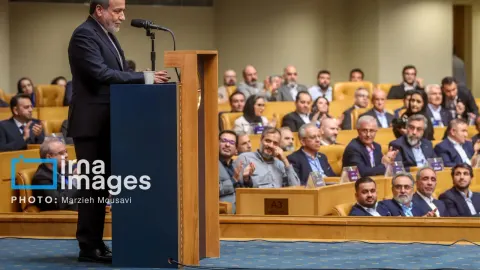
In a move that signals political continuity within the Islamic Republic, Mohammad Bagher Ghalibaf has been re-elected as the Speaker of the Iranian Parliament for the seventh consecutive year. This re-election comes at a critical juncture for Iran, as the country navigates a complex web of domestic economic pressures and escalating regional tensions. The swiftness of the vote suggests a consolidated front within the legislative branch, aiming to provide a stable foundation for President Masoud Pezeshkian’s administration to handle ongoing negotiations with the West.
Regional neighbors were quick to acknowledge the appointment, with Syed Yousaf Raza Gilani, the Chairman of the Senate of Pakistan, extending warm congratulations to Ghalibaf. This diplomatic outreach from Islamabad highlights the desire among regional powers for institutional stability in Tehran, particularly as the threat of a wider conflict looms. For the Iranian public and market participants, Ghalibaf’s retention of the speakership is viewed as a sign that the current legislative direction—balancing hardline security stances with pragmatic economic survival—will remain unchanged for the foreseeable future.

The Ceasefire Paradox: US Strikes and Qatar Negotiations
The fragile peace established in April is facing its most severe test yet. The US military confirmed it conducted overnight strikes against targets in southern Iran, specifically focusing on vessels allegedly attempting to lay mines and missile launch sites. According to Iranian officials, these actions constitute a direct breach of the ceasefire. The timing is particularly sensitive, as Iran’s top negotiators and the Foreign Minister were in Qatar for high-level talks with the Qatari Prime Minister to finalize a more permanent framework to end the three-month-old conflict.
The rhetoric from Tehran has sharpened significantly following the strikes. Mojtaba Khamenei, via his Telegram channel, warned that Gulf powers should no longer expect to serve as a "shield" for US bases, asserting that the era of safe havens for American forces in the region is coming to an end. This escalation creates a profound dilemma for global markets: while the Dow Jones rose by 300 points on hopes that a deal is still possible, the underlying reality of military friction suggests that any peace will be incredibly volatile. For Iranian citizens, this translates to continued uncertainty in the currency markets, where the USD remains stubbornly high despite minor daily fluctuations.
Moscow Security Forum: Iran’s Strategic Pivot to the East
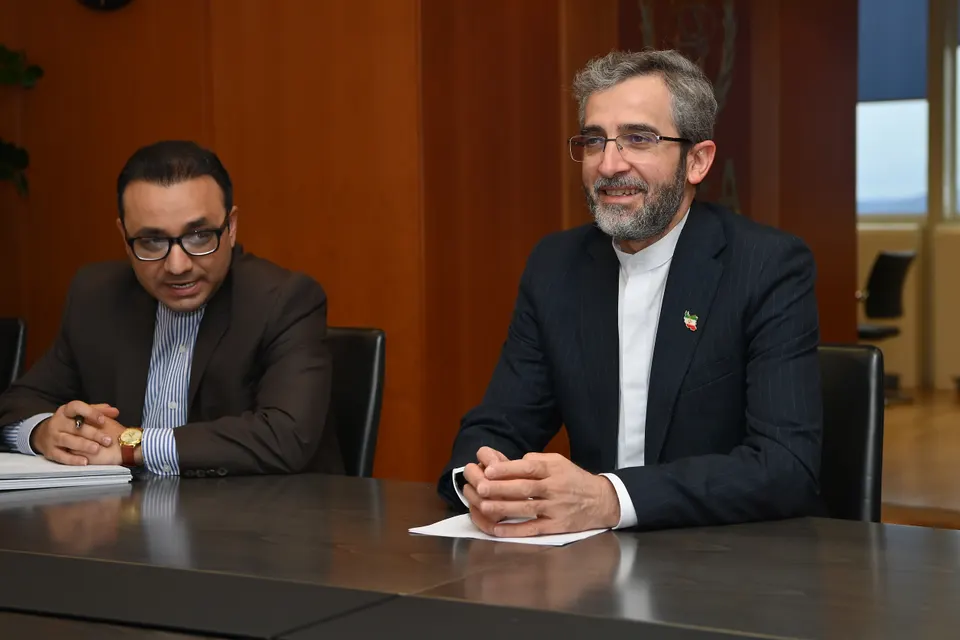
As tensions with Washington reach a boiling point, Tehran is doubling down on its strategic alliances with the East. Ali Bagheri, the Deputy Secretary of Iran’s Supreme National Security Council, has arrived in Moscow to participate in the 14th International Security Forum. This visit is not merely symbolic; it represents a deep-seated effort to coordinate security and defense policies with Russia at a time when both nations face heavy Western sanctions. Bagheri’s presence in Moscow underscores Iran’s intent to diversify its security architecture, ensuring that it is not solely dependent on the outcome of the Qatari-led peace talks.
This "pivot to the East" has tangible implications for the Iranian economy. By strengthening ties with Russia and Tajikistan—where Energy Minister Abbas Aliabadi recently delivered a message of gratitude from President Pezeshkian—Iran is attempting to secure alternative trade routes and energy partnerships. These moves are designed to insulate the Iranian Toman from the shockwaves of US policy changes. However, as long as the Strait of Hormuz remains a primary flashpoint, the cost of shipping and insurance will continue to exert inflationary pressure on domestic goods, regardless of how many security forums are attended in Moscow.
Market Reaction: Gold and USD Retrench Amid Mixed Signals
The local Iranian markets have responded to this hour's news with a cautious retreat. The US Dollar (sell) moved from 173,600 to 173,400 Toman, a marginal decrease of 0.1%. While this might seem like a stabilization, it is more indicative of a "wait-and-see" approach by traders who are balancing the news of US strikes against the ongoing talks in Doha. Gold prices saw a more pronounced dip, with 18k gold falling from 19,141,234 to 18,929,082 Toman per gram (-1.1%), and the Emami coin dropping from 184,500,000 to 183,000,000 Toman (-0.8%).
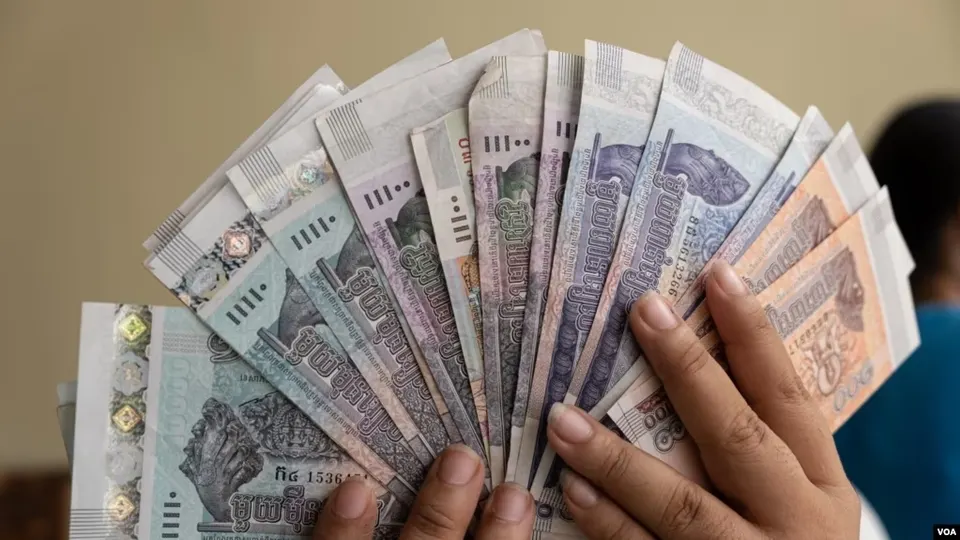
This downward movement in gold, despite the geopolitical tension, can be attributed to the broader global market's optimism regarding a potential deal. When the Dow Jones jumps on "deal hopes," it often siphons liquidity away from safe-haven assets like gold in the short term. However, for the average Iranian household, these fluctuations offer little relief from the long-term trend of high living costs. If the ceasefire is officially declared dead, analysts expect a rapid reversal of these gains, with both USD and gold likely to surge as the risk of a direct regional war returns to the forefront of economic calculations.
Frequently Asked Questions
Why did gold prices drop in Iran despite the US strikes?
What is the significance of Ghalibaf’s re-election for the economy?
How do the US strikes impact the ongoing peace talks in Qatar?
Understanding Geopolitical Chokepoints: The Strait of Hormuz
Geopolitical chokepoints are narrow maritime passages that are critically important for international trade and energy security. These strategic bottlenecks, often natural straits or man-made canals, concentrate a vast volume of global commerce through a limited geographical space. Their significance stems from the fact that any disruption, whether due to conflict, piracy, or natural disaster, can have immediate and far-reaching impacts on global supply chains, commodity prices, and international relations. Understanding these chokepoints is essential for grasping the complexities of global power dynamics and economic stability.
Among these vital arteries, the Strait of Hormuz stands out as arguably the most important. Located between the Persian Gulf and the Gulf of Oman, it is the sole maritime passage from the Persian Gulf to the open ocean. Over one-fifth of the world's total petroleum liquids consumption and about one-third of the world's liquefied natural gas (LNG) transits through this strait daily. This makes it an indispensable conduit for oil and gas exports from major producers like Saudi Arabia, Iran, UAE, Kuwait, and Iraq to markets across Asia, Europe, and North America.
The immense volume of energy resources passing through the Strait of Hormuz makes its security a paramount concern for global powers and a constant source of geopolitical tension. For nations like Iran, its geographic position grants significant strategic leverage, often leading to a delicate balance between diplomacy and deterrence. Threats to the strait's security, whether perceived or real, can trigger sharp spikes in global oil prices, disrupt international shipping, and escalate regional conflicts, drawing in external actors. This dynamic is a key factor in the broader geopolitical landscape of the Middle East, influencing everything from military deployments to international negotiations.
The economic implications of any instability in the Strait of Hormuz are profound. Beyond direct impacts on oil and gas prices, disruptions can increase shipping insurance costs, delay deliveries, and force longer, more expensive alternative routes, all of which ripple through the global economy. For countries in the region, including Iran, such volatility directly affects national revenue, currency stability (like the USD to IRR exchange rate), and local commodity prices (like gold), highlighting how geopolitical flashpoints can have immediate, tangible effects on everyday economic life.
Topics
Related Articles