Lebanon Strike Toll Rises Amid Fragile US-Iran Deal Hopes; Tehran Markets See Slight Dip
افزایش تلفات حملات به لبنان در سایه امیدهای شکننده برای توافق ایران و آمریکا؛ کاهش اندک قیمتها در بازار تهران
At least 14 killed in a fresh Israeli strike on Lebanon as regional tensions clash with optimistic market rumors of a US-Iran breakthrough. Gold and USD prices in Tehran edged lower today despite the geopolitical friction.
At time of publishing
USD
173,400
Toman
Gold 18K
18.96M
Toman / gram
Bitcoin
$77,621
US Dollar
Tether
171,291
Toman
Lebanon Strike Toll Rises as Regional Diplomacy Faces New Test
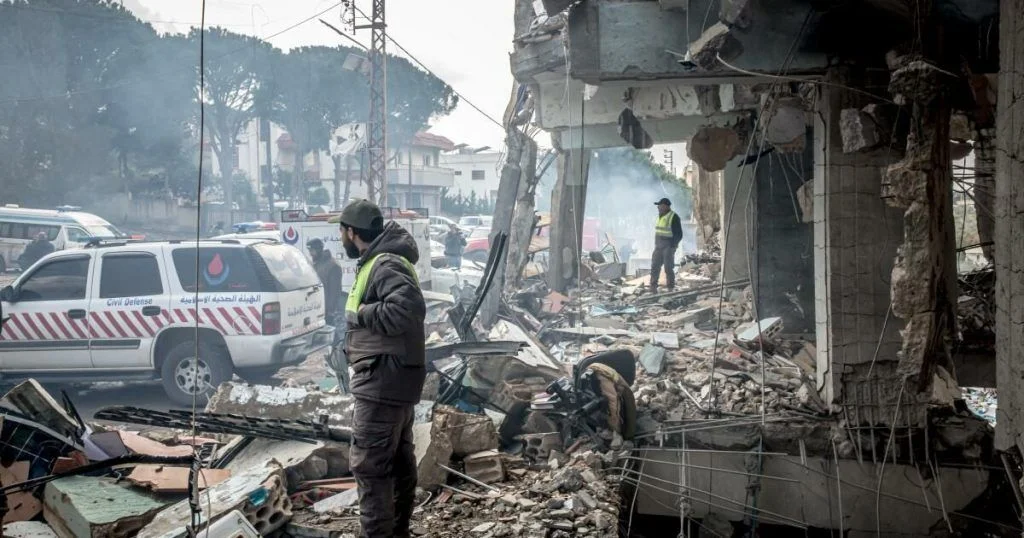
At least 14 people have been killed in a devastating new Israeli aerial strike on eastern Lebanon, according to reports from IRNA. The strike marks a significant escalation in the ongoing regional conflict, occurring at a moment when the eyes of the international community were fixed on Doha. Iranian and Qatari negotiators have been working tirelessly in the Qatari capital to salvage a ceasefire, but these latest kinetic actions threaten to derail the fragile progress. Tehran has already condemned recent U.S. strikes in southern Iran as a "gross violation" of existing understandings, suggesting that the window for a diplomatic off-ramp is narrowing even as officials remain at the table. For the Iranian public and market observers, this escalation is a double-edged sword. Typically, such violence in the Levant would trigger an immediate flight to safety, driving up the price of hard currencies and gold in Tehran. However, the current atmosphere is thick with rumors of a broader "Trump-led" settlement that might bypass the usual escalatory cycles. This has created a strange decoupling where regional bloodletting is being offset by back-channel optimism. The tragedy in Lebanon underscores the high stakes: without a comprehensive regional framework, localized strikes will continue to claim lives and destabilize the economic foundations of the entire Middle East.
Markets Bet on Diplomacy Despite Military Friction
In a surprising display of resilience, global and local markets are currently leaning into the hope of a U.S.-Iran diplomatic breakthrough. On Wall Street, the Dow Jones rose as investors digested reports of a potential proposal from the Trump administration that echoes the incremental nature of previous Gaza deals. This proposal reportedly suggests delaying the most contentious issues to achieve an immediate reduction in hostilities. This "optimism premium" has filtered down to the Tehran bazaar. Despite the strikes in Lebanon and the U.S. Central Command's "self-defense" actions against mine-laying boats in the Persian Gulf, the Iranian Toman actually saw a slight appreciation. The USD sell rate moved from 173,600 to 173,400, a marginal decrease of 0.1%. This market behavior suggests that traders are prioritizing the long-term potential of a sanctions-relief deal over the short-term noise of military skirmishes. Gold prices followed a similar downward trend today; 18k gold fell from 19,141,234 to 18,959,785 Toman per gram, a 0.9% drop, while the Emami coin decreased from 184,500,000 to 183,000,000 Toman (-0.8%). The underlying logic is clear: if a deal is truly on the horizon, the current "war premium" baked into these assets will evaporate. However, the risk remains that if the Doha talks fail or if the Gaza-style "half-finished" deal logic falls apart, the correction back to higher prices could be violent and swift.
Global Economic Shifts: Inflation, Energy, and the Crypto Breakout
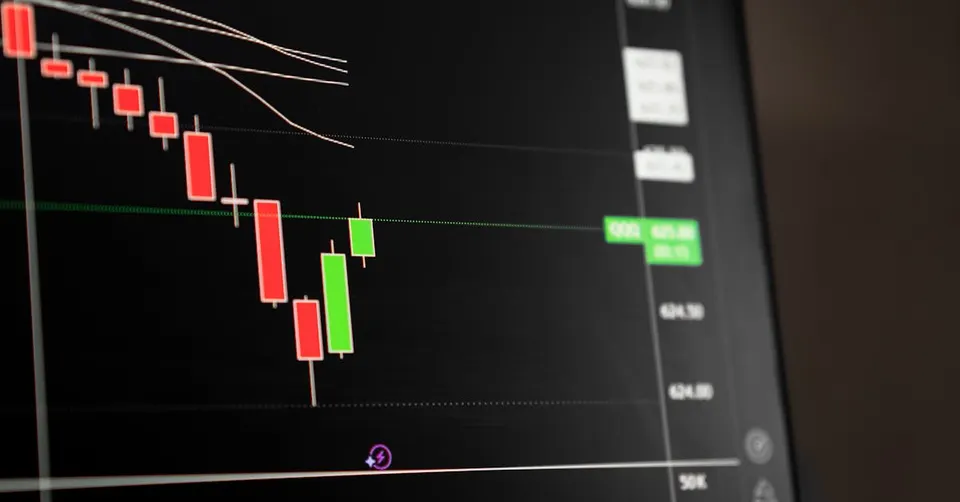
Beyond the immediate geopolitical sphere, a fundamental shift is occurring in how global investors view risk. Analysts at Piper Sandler recently noted that inflation, rather than pure economic growth, is now the primary driver of stock market volatility. This is particularly relevant for Iran, where imported inflation remains a primary concern for the middle class. While the U.S. debates student loan pauses until 2028, the broader global economy is grappling with the "split incentive" of the energy transition. A recent Australian study highlighted that renters could save $20 billion in energy bills if landlords were incentivized to install solar panels—a dilemma that mirrors the infrastructure challenges in Iran’s own aging power grid during peak summer demand. In the digital asset space, Bitcoin is showing signs of a massive technical breakout. Analysts are pointing to a "cup-and-handle" pattern that could target a minimum price of $220,000, provided BTC can hold its current support levels around $74,000. Currently trading at $77,621, Bitcoin remains a key hedge for Iranian investors looking to diversify away from the Toman. Meanwhile, institutional players like Bitmine are capitalizing on Ethereum's recent dip below $2,200, purchasing over 100,000 ETH. This institutional accumulation suggests that while the geopolitical headlines are dominated by conflict, the underlying financial plumbing of the world is preparing for a high-liquidity, high-inflation future where digital assets play a central role.
Frequently Asked Questions
Why did the US Dollar price in Tehran decrease despite the escalation in Lebanon?
What is the significance of the $220,000 price target for Bitcoin?
How does the 'split incentive' problem in Australia relate to energy costs?
What was the exact price change for Gold and the Emami Coin today?
Understanding Geopolitical Risk and Its Impact on Financial Markets
Geopolitical risk refers to the potential for political instability, conflicts, and international relations to disrupt global or regional stability, thereby influencing economic activity and financial markets. These risks can stem from a wide array of sources, including interstate conflicts, civil unrest, shifts in government policy, sanctions, and even the fragility of international agreements. Such events introduce significant uncertainty, making it difficult for investors and businesses to predict future outcomes, which in turn affects their decisions and market sentiment.
When geopolitical tensions rise, as suggested by the "Lebanon Strike" and "Fragile US-Iran Deal Hopes" in the headline, financial markets typically react with increased volatility. Investors often seek "safe-haven" assets like gold, which tends to appreciate during times of crisis, as seen with "Gold price Iran today." Conversely, local stock markets, such as "Tehran Markets," may experience dips due to reduced investor confidence and concerns about economic disruption. Currencies in affected regions can also weaken, reflecting capital flight and a loss of trust in the local economy, impacting exchange rates like "USD to IRR."
The mechanisms through which geopolitical risk impacts markets are multifaceted. Firstly, it erodes investor confidence, leading to capital outflows and a reluctance to invest in potentially unstable regions. Secondly, it can disrupt supply chains, affecting the production and distribution of goods and services, which in turn influences corporate earnings and economic growth. Thirdly, policy uncertainty, such as the potential for new sanctions or changes in trade agreements, creates an unpredictable environment that deters long-term investment. The interplay of these factors can lead to significant shifts in asset prices, commodity values, and overall market stability, highlighting the profound connection between global politics and economic performance.
Topics
Related Articles