Iran Militia Train on Missile Defense, Internet Restored, Sanctioned LNG Tanker Docks
آموزش نیروهای بسیجی ایران با موشکهای پدافند هوایی، بازگشت اینترنت و پهلوگیری نفتکش گاز مایع تحریم شده
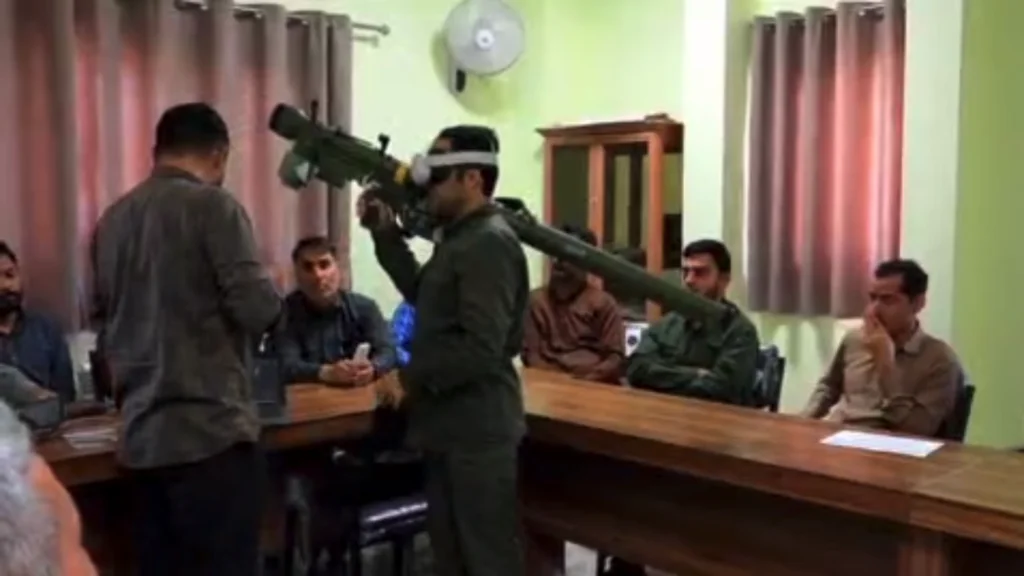
New videos reveal Iran's Basij militia practicing with anti-aircraft missiles amid ongoing regional tensions. Meanwhile, internet access is gradually being restored across Iran after a prolonged shutdown. In energy news, a sanctioned Russian LNG tanker has docked at a Norwegian port, raising questions about sanctions enforcement.
At time of publishing
USD
172,600
Toman
Gold 18K
18.83M
Toman / gram
Bitcoin
$76,578
US Dollar
Tether
171,999
Toman
Basij Militia Trains with Anti-Aircraft Missiles
New footage has emerged showing members of Iran's Basij militia, a paramilitary force linked to the IRGC, undergoing training with man-portable air defense systems (MANPADS). This development, detailed by France 24, suggests a heightened state of preparedness within Iran's security apparatus in anticipation of potential renewed attacks from the US and Israel. The training appears to incorporate lessons learned from previous engagements, aiming to bolster the country's air defense capabilities against advanced aerial threats, including F-18 aircraft.
This intensified training underscores the persistent regional instability and the ongoing strategic maneuvering between Iran and its adversaries. The explicit focus on MANPADS indicates a defensive posture designed to counter air superiority, potentially influencing future military calculations in the region. For Iranians, this signifies a continued period of elevated security concerns and a reminder of the volatile geopolitical landscape that directly impacts national confidence and economic stability.
---
Internet Restored After Prolonged Blackout
After a protracted period of government-imposed restrictions, international internet access is beginning to be restored across Iran. This development, reported by BBC and confirmed by organizations monitoring online traffic, marks a significant shift after months of disconnection that began in late February. The prolonged blackout had severely impacted daily life, business operations, and the free flow of information within the country, creating a sense of isolation.
The gradual restoration of internet services is a welcome development for Iranians, potentially easing communication barriers and facilitating economic activity. However, the reasons behind the initial shutdown and the timing of its lifting remain subjects of intense scrutiny. The government's control over information flow remains a critical factor, and the full implications of this restoration on public discourse and market sentiment are yet to be fully understood. The return of connectivity could signal a de-escalation of internal pressures or a strategic move by the government amidst ongoing international tensions.

---
Sanctioned Russian LNG Tanker Docks in Norway
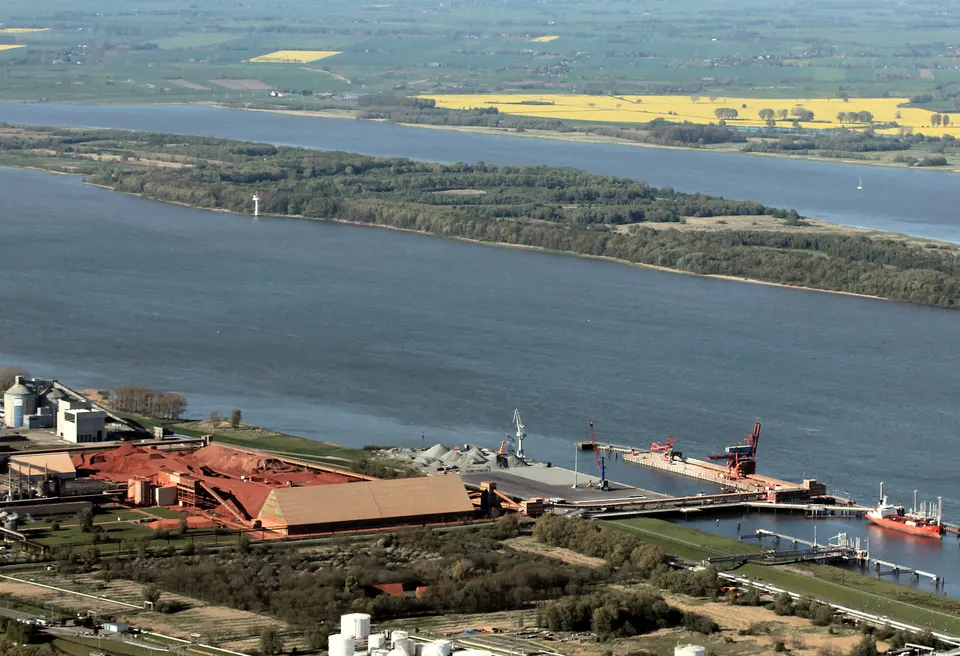
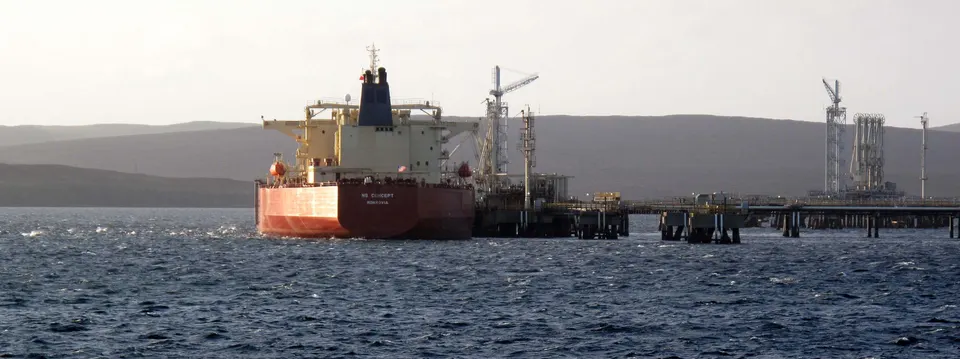
A sanctioned Russian liquefied natural gas (LNG) tanker, the Clean Ocean, has made a stop at a port in northern Norway. This marks the first documented appearance of such a vessel under Western sanctions in these waters, as reported by OilPrice. The tanker, sanctioned by the UK in October 2025 due to its links to Russian LNG trade, spent approximately 12 hours off the port of Honningsvåg. Russia has been utilizing sanctioned tankers to facilitate the export of its Arctic gas, a strategy that continues to test the effectiveness of international sanctions.
This incident raises significant questions about the enforcement and efficacy of sanctions regimes targeting Russia's energy sector. Despite international efforts to curb Russian energy exports, the appearance of this vessel in Norwegian waters highlights potential loopholes or challenges in monitoring and intercepting sanctioned cargo. For global energy markets, this underscores the complexities of supply chains and the persistent flow of Russian energy, which can indirectly influence global prices and geopolitical dynamics. It also serves as a reminder of the ongoing tensions and diplomatic maneuvers surrounding energy security and international trade, with potential ripple effects on prices for commodities like oil and gas, and indirectly on currencies and inflation expectations worldwide.
---
Oil Markets React to Shifting Ceasefire Hopes
Oil prices have experienced significant volatility, reacting to conflicting signals regarding a potential US-Iran ceasefire agreement and fresh US strikes. Initially, reports of a possible framework deal sent Brent crude prices plunging, reflecting optimism for a de-escalation in the Middle East. However, subsequent US strikes on Iran quickly reversed this trend, pushing crude prices back towards the $100 mark, as reported by OilPrice and Yahoo Finance. This whipsaw movement underscores the delicate balance of factors influencing the global oil market, where geopolitical events can rapidly override broader economic sentiment.
The fluctuating price of oil has direct implications for global inflation and economic stability. Higher oil prices can translate into increased transportation costs, higher consumer prices, and broader inflationary pressures, particularly for import-dependent economies like Iran. The continued uncertainty surrounding the geopolitical situation in the Middle East, coupled with the broader energy market dynamics influenced by factors like potential El Niño events impacting LNG supply, creates a complex environment for policymakers and investors alike. The US dollar's reaction, firming as ceasefire hopes dimmed, further illustrates the interconnectedness of geopolitical risk, energy prices, and currency markets, impacting everything from international trade to domestic purchasing power.
Frequently Asked Questions
What is the significance of the Basij militia training with anti-aircraft missiles?
What are the implications of the internet being restored in Iran?
Why is the docking of a sanctioned Russian LNG tanker in Norway noteworthy?
How are oil prices reacting to the geopolitical situation involving Iran?
What is the current trend for the USD/IRR exchange rate and gold prices?
Understanding Economic Sanctions: A Tool of Geopolitical Influence
Economic sanctions are a cornerstone of modern international relations, representing a powerful tool of foreign policy that falls short of direct military intervention. Essentially, they are penalties imposed by one or more countries, or international bodies, against a target country, entity, or individual. The primary goal is often to compel a change in behavior, deter undesirable actions, or punish violations of international norms, ranging from human rights abuses to nuclear proliferation. These measures can take various forms, from restricting trade and financial transactions to asset freezes and travel bans.
Historically, sanctions were often comprehensive, aiming to isolate an entire economy. However, this approach frequently led to significant humanitarian costs and was criticized for harming ordinary citizens more than the targeted regimes. In response, "smart" or "targeted" sanctions have become more prevalent. These measures focus on specific sectors, individuals, or entities, such as government officials, military leaders, or state-owned enterprises, aiming to minimize collateral damage to the general population while maximizing pressure on decision-makers. Examples include restrictions on specific technologies, bans on financial services for certain banks, or embargos on particular goods like oil or gas.
The effectiveness of economic sanctions is a subject of ongoing debate among policymakers and academics. While they can undeniably inflict significant economic pain, their ability to achieve desired political outcomes is often mixed. Sanctions can lead to unintended consequences, such as fostering black markets, encouraging the target country to seek new alliances and trade partners (as seen with sanctioned Russian LNG finding new buyers), or even strengthening the resolve of the targeted regime. They can also exacerbate humanitarian crises, making it difficult for essential goods like food and medicine to reach the populace.
In the context of the provided news, the docking of a sanctioned LNG tanker highlights the complex interplay between sanctions, global energy markets, and geopolitics. Countries under sanctions, such as Russia and Iran, often develop sophisticated strategies to circumvent these restrictions, seeking alternative routes, payment systems, and trading partners. This dynamic underscores how sanctions, while intended to isolate, can inadvertently reshape global trade flows and foster new geopolitical alignments, making them a double-edged sword in the pursuit of international policy objectives.
Topics
Related Articles