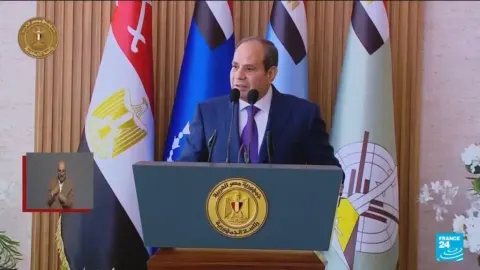
Hormuz Tensions Flare as Iran Vows Retaliation; Tehran Markets Defy Escalation with a Surprise 1.6% Gold Dip
تهدید به انتقام در تنگه هرمز؛ واکنش غیرمنتظره بازار تهران با کاهش ۱.۶ درصدی قیمت طلا
The IRGC has threatened retaliation following US strikes near the Strait of Hormuz, yet Tehran's markets saw a cooling trend with USD falling 0.6% and gold dropping 1.6%. Meanwhile, Wall Street veterans warn of a hidden bear market signal that could trigger a 50% correction.
At time of publishing
USD
172,600
Toman
Gold 18K
18.83M
Toman / gram
Bitcoin
$76,403
US Dollar
Tether
171,993
Toman
Geopolitical Standoff: Retaliation Threats in the Strait
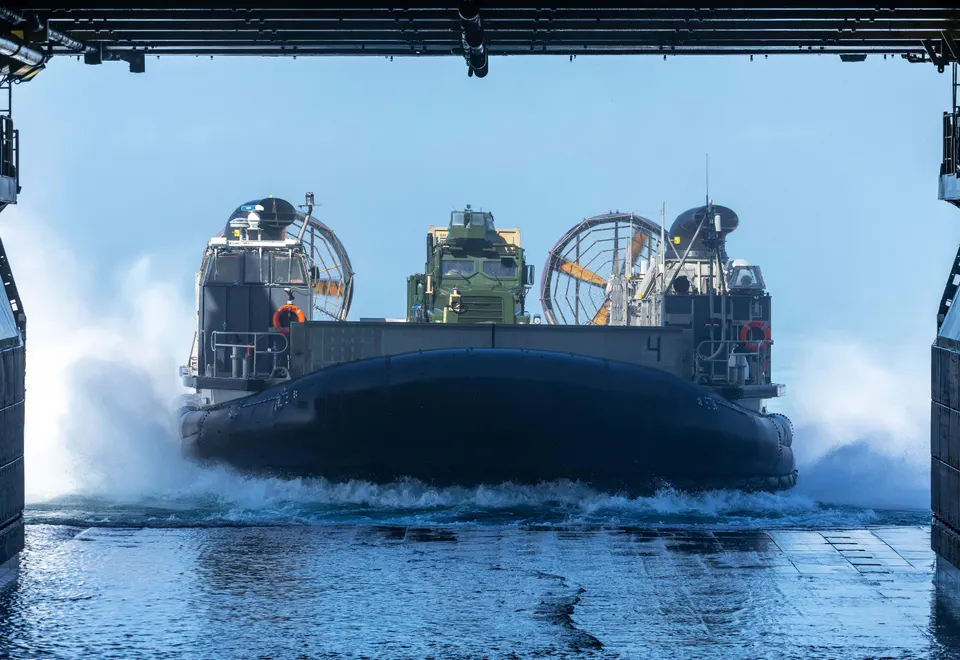
The Islamic Revolutionary Guard Corps (IRGC) has issued a stern warning of retaliation following recent American military strikes targeting strategic sites near the Strait of Hormuz. This escalation comes at a delicate moment as diplomatic channels in Qatar and other regional hubs attempt to maintain a fragile dialogue. The threats have heightened maritime security concerns in one of the world's most critical oil chokepoints, raising the specter of direct kinetic engagement that could disrupt global energy flows. Despite the fiery rhetoric, both sides appear to be testing the limits of deterrence without crossing into a full-scale regional war, though the margin for error has narrowed significantly as of Tuesday evening.
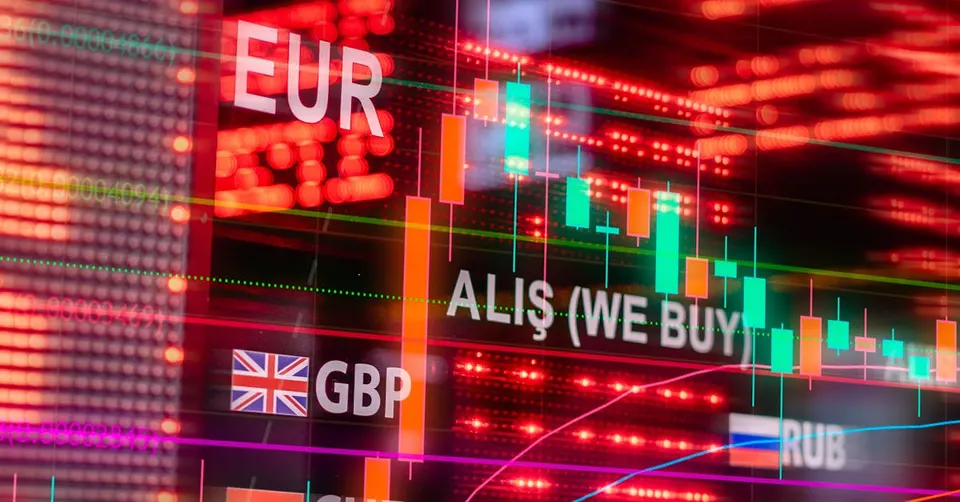
Surprisingly, the local financial markets in Tehran did not react with the typical panic-buying seen during previous escalations. The US Dollar (USD) moved from 173,600 to 172,600 Toman, marking a decrease of 0.6% over the last 24 hours. More notably, Gold 18k/gram fell from 19,141,234 to 18,834,664 Toman, a significant 1.6% drop. This divergence between geopolitical tension and market pricing suggests either heavy central bank intervention to stabilize the Rial or a market that has become increasingly desensitized to military posturing. For the average Iranian citizen, this provides a brief window of relative stability in purchasing power, though the underlying risk remains high as the IRGC weighs its next move.
Wall Street’s Hidden Warning: The 50% Collapse Signal
While geopolitical headlines dominate the news, veteran trader Steve Burns is sounding the alarm on a bear market signal that he claims most of Wall Street is dangerously ignoring. Burns suggests that the current market structure is exhibiting "three deadly stock-market sins" that historically precede massive corrections. He warns that investors are currently over-leveraged and under-hedged, creating a fragile environment where a single catalyst—such as a geopolitical shock in the Middle East or an unexpected inflation spike—could trigger a 50% decline in major indices. This perspective stands in stark contrast to the prevailing optimism seen in tech-heavy portfolios, urging a shift toward capital preservation.
For Iranian investors who have increasingly turned to global markets and US-linked assets as a hedge against local inflation, this warning is particularly pertinent. The reliance on digital assets and international stocks means that a Wall Street contagion would directly impact the net worth of those seeking safety outside the Toman. If the bear market signal proves accurate, the flight to safety might ironically lead back to physical commodities or cash, despite their own inherent risks. The current "irrational exuberance" in some sectors masks a thinning liquidity floor that could give way if institutional players decide to lock in profits simultaneously.
Micron and the AI Decoupling: A Tech Surge Amidst Gloom
In a sharp contrast to the broader market warnings, the technology sector continues to find pockets of extreme growth, led by Micron Technology. UBS recently raised its price target for Micron, citing "enhanced" long-term agreements and an insatiable demand for memory chips driven by the AI revolution. Micron’s stock has soared as it becomes clear that the hardware requirements for large language models and autonomous systems are far outstripping current supply. This decoupling of high-tech manufacturing from the general macro-economic malaise suggests that the "AI trade" is still the primary engine of the global economy, even as traditional sectors struggle with high interest rates and falling consumer demand.
This trend also highlights a growing divide in the consumer tech market. While high-end enterprise hardware like Micron's chips is booming, consumer-facing companies are having to rely on aggressive promotions to maintain volume. For example, retailers like Newegg are offering significant discounts on Nintendo gift cards—$200 in credit for $170—as they try to entice cost-conscious gamers to save up for upcoming hardware like the rumored Switch 2. This bifurcated economy—where enterprise AI is booming while the average consumer seeks deep discounts—reflects a global shift in capital allocation that is likely to define the remainder of 2026.
Global Policy and the Cost of Aid Cuts
Beyond the markets and the missiles, a significant humanitarian story is unfolding in Zambia that highlights the ripple effects of American policy shifts. Lenacapavir, a powerful twice-yearly H.I.V. prevention drug, has finally landed in the country, but experts are skeptical it will reach those in need. The Zambian health system has been severely weakened by recent cuts in American aid, leaving the infrastructure too hollowed out to distribute advanced medical treatments effectively. This situation serves as a stark reminder of how domestic political shifts in the West can have life-or-death consequences in the developing world, often leaving vulnerable populations stranded despite the existence of technological solutions.
For readers in the Middle East, the Zambia situation mirrors the broader theme of "sanctions vs. solutions." Just as high-tech drugs face logistical hurdles in Africa due to policy shifts, Iranian access to global medical and technological advancements is often throttled by the secondary effects of financial restrictions. The inability to bridge the gap between having a solution (like Lenacapavir or advanced software) and delivering it to the end-user is a growing global crisis. It underscores the reality that in 2026, the most significant barriers to progress are often not scientific, but rather political and economic frameworks that prioritize strategic leverage over humanitarian or developmental outcomes.
Frequently Asked Questions
Why did gold and USD prices fall in Iran despite military threats?
What is the 'deadly signal' Steve Burns mentioned regarding Wall Street?
How is Micron Technology decoupling from the broader market gloom?
The Strategic Importance of the Strait of Hormuz
The Strait of Hormuz, a narrow waterway between the Persian Gulf and the Gulf of Oman, is one of the world’s most critical maritime chokepoints. Roughly 20% of global oil consumption—about 21 million barrels per day—passes through this 21‑kilometre‑wide strait, making it a vital conduit for energy supplies from Saudi Arabia, Iran, the United Arab Emirates, Kuwait and Iraq to international markets.
Because so much oil—and a growing share of liquefied natural gas—transits the strait, any threat to its security instantly ripples through global commodity prices. When regional tensions flare, as they have in May 2026 with Iran’s rhetoric of retaliation, traders price in the risk of supply disruptions, pushing crude and related assets like gold higher. This risk premium can also affect exchange rates, especially for currencies heavily linked to oil revenues such as the Iranian rial (IRR).
The strategic calculus behind the strait’s importance is two‑fold. First, its geography gives a small naval force the ability to block or mine the passage, creating a disproportionate leverage over the world’s energy supply chain. Second, the strait’s proximity to major naval bases—particularly the U.S. Fifth Fleet in Bahrain—means that any confrontation can quickly involve global powers, raising the stakes far beyond the region.
Historically, incidents in the Hormuz corridor have triggered sharp spikes in oil prices. The 2019 attacks on tankers, for example, saw Brent crude jump more than $10 per barrel within days. Investors therefore monitor diplomatic developments, naval deployments, and statements from the Islamic Revolutionary Guard Corps (IRGC) as leading indicators of potential market volatility.
Understanding the Strait of Hormuz’s role helps explain why geopolitical news can move seemingly unrelated markets—like Tehran’s gold price dip or the rial’s exchange rate—so dramatically. It underscores the interconnectedness of security, energy, and finance in today’s global economy.
Topics
Related Articles