Iran Escalates Tensions, US Observes Threats; Washington Plant Suffers 'Implosion'
تشدید تنشها توسط ایران، آمریکا تهدیدها را رصد میکند؛ انفجار در کارخانه واشنگتن
Iran has reportedly increased threatening actions near US naval assets, prompting observation from American forces. Meanwhile, a significant 'implosion' incident at a packaging plant in Washington state has injured multiple individuals. The global economic landscape remains sensitive to these geopolitical developments.
At time of publishing
USD
173,000
Toman
Gold 18K
18.77M
Toman / gram
Bitcoin
$75,969
US Dollar
Tether
172,179
Toman
Iran Escalates Threats Near Strait of Hormuz
Reports indicate that Iran has escalated its military posturing in the sensitive waters near the Strait of Hormuz, with U.S. officials observing a marked increase in threatening actions. This includes the launch of drones near American ships and increased activity at missile sites, alongside attempts to mine the Strait. These developments come amid ongoing U.S. military operations in the region and heightened diplomatic efforts aimed at de-escalating broader tensions.
Why This Matters: For Iran, these actions are likely intended to project strength and deter further U.S. military engagement, potentially in response to perceived provocations or as a tactic to influence ongoing diplomatic negotiations. The increased risk in the Strait of Hormuz directly impacts global energy markets, potentially leading to higher oil prices and increased shipping costs, which can ripple through the global economy and affect consumer prices worldwide. For Iranian readers, this heightened tension could translate into currency volatility and increased economic uncertainty.
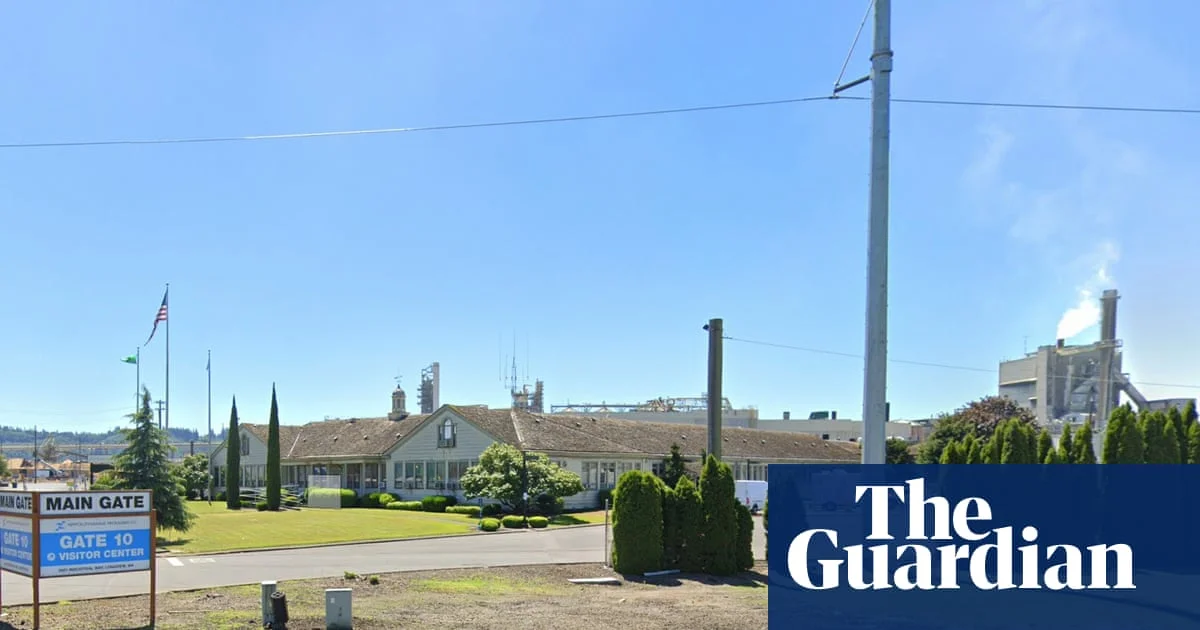
Washington Packaging Plant Suffers 'Implosion'
Authorities in Washington state are responding to a significant hazardous materials incident at the Nippon Dynawave Packaging plant in Longview, which involved an "implosion" of a vat containing chemical treatment. The incident resulted in multiple individuals sustaining chemical burns, though officials have stated there is no immediate threat to the wider public. The plant, which employs around 1,000 people, operates both a kraft pulp and paper mill and a liquid packaging facility.
Why This Matters: While seemingly a localized industrial accident, such events can have broader implications for supply chains and consumer goods, especially for packaging materials. For the local economy, it means a disruption to operations and potential long-term impacts on employment. For the broader readership, it serves as a stark reminder of industrial safety risks and the importance of stringent regulatory oversight in manufacturing sectors. The incident's impact on local emergency services and environmental monitoring also highlights the preparedness required for such industrial mishaps.
Frequently Asked Questions
What specific actions has Iran reportedly taken near the Strait of Hormuz?
What caused the incident at the Washington packaging plant?
How might these events impact global markets?
What is the significance of the 'implosion' for the local area?
The Strategic Importance of the Strait of Hormuz
The Strait of Hormuz is a narrow waterway that connects the Persian Gulf with the Gulf of Oman and the open ocean. At its narrowest point it is only about 21 nautical miles wide, yet roughly 20% of the world’s petroleum passes through it each day. This concentration makes the strait a classic maritime chokepoint: a geographic bottleneck where a small amount of infrastructure controls a large volume of global trade.
Because of its outsized role in oil logistics, any threat to the strait—whether a naval confrontation, mining of the waterway, or a large‑scale accident—can instantly ripple through world markets. Traders price in a geopolitical risk premium on crude, causing price spikes even before any physical disruption occurs. The 2019 attacks on oil tankers near the strait, for example, pushed Brent crude above $80 a barrel within hours.
The United States maintains a persistent naval presence in the region to deter Iranian actions that could close or threaten the passage. This forward deployment is part of a broader strategy of sea control, ensuring freedom of navigation for commercial vessels. When tensions rise, the U.S. may conduct escort missions, surveillance flights, and joint exercises with regional allies, all aimed at reassuring markets and preventing escalation.
Understanding the strait’s strategic value helps explain why a seemingly isolated incident—such as an industrial accident in Washington—can be framed within larger geopolitical narratives. Investors and policymakers watch Hormuz closely because its stability underpins global energy security, influencing everything from gasoline prices at the pump to the cost of manufacturing goods worldwide.
Topics
Related Articles