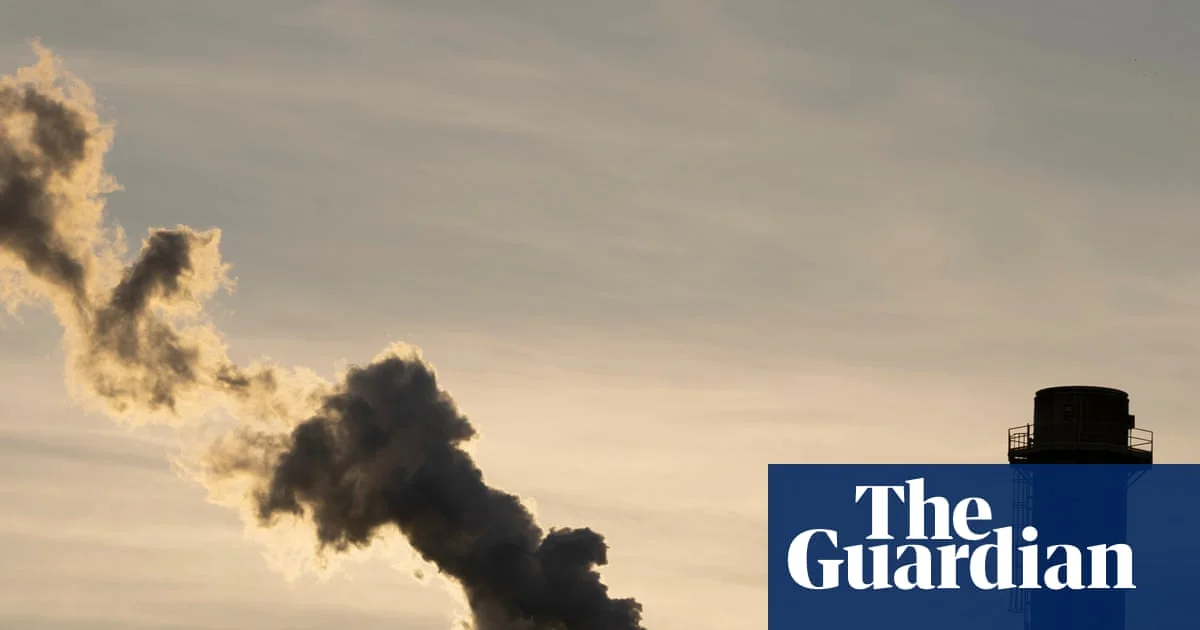
Industrial Disaster in Washington Strikes Amid Hormuz Tensions; Canada Pivots Energy to Germany
انفجار در واشینگتن همزمان با تنشهای نظامی در هرمز؛ کانادا جایگزین انرژی خاورمیانه در آلمان شد
A deadly industrial implosion in Washington state adds to global jitters as US-Iran military tensions near the Strait of Hormuz escalate. Meanwhile, Canada and Germany sign a landmark energy deal to bypass Middle Eastern volatility.
At time of publishing
USD
173,000
Toman
Gold 18K
18.77M
Toman / gram
Bitcoin
$75,824
US Dollar
Tether
172,712.993
Toman
Deadly 'Implosion' at Washington State Industrial Plant
Authorities in Washington state are currently managing a catastrophic industrial accident at the Nippon Dynawave Packaging plant in Longview. Early Tuesday morning, a massive tank containing "white liquor"—a highly corrosive chemical solution used in the kraft pulp and paper industry—ruptured and imploded. The Longview fire department has confirmed an unknown number of fatalities and multiple injuries involving severe chemical burns. The facility, which employs approximately 1,000 people, is a critical node in the regional packaging supply chain, and the incident has triggered a major hazardous materials response.
While the cause of the tank failure remains under investigation, the timing of the disaster adds to a general atmosphere of global instability. For Iranian observers and international markets, such disruptions in the American industrial heartland often have ripple effects on logistics and insurance premiums, particularly when the global supply chain is already strained by geopolitical conflicts. The immediate priority for local officials is containing the chemical spill and securing the site, but the long-term economic impact on the paper and packaging sector could be substantial if the plant faces a prolonged shutdown.
US-Iran Military Standoff Intensifies Near Hormuz
Geopolitical tensions have reached a fever pitch as U.S. officials report observing a series of imminent threats from Iranian forces prior to renewing military strikes. According to reports from the Pentagon, Iranian drones were launched in close proximity to American naval vessels, and speedboats were observed active near the Strait of Hormuz, allegedly preparing to mine the strategic waterway. Furthermore, U.S. intelligence has noted increased activity at several Iranian missile sites, prompting a heightened state of alert for Central Command forces in the region.

Despite these escalations, the Iranian domestic market has shown a surprising level of resilience, or perhaps a calculated caution. The USD in Tehran moved from 173,600 to 173,000, a slight decrease of 0.3% over the last 24 hours. More notably, Gold 18k per gram dropped from 19,141,234 to 18,774,874 Toman, a significant 1.9% decline. This suggests that while the military rhetoric is heating up, local traders may be pricing in the possibility of a de-escalation or are simply exhausted by the cycle of threats. However, any actual closure of the Strait—which carries one-fifth of the world's crude—would likely send these figures into a tailspin.
Global Energy Shift: Canada and Germany Bypass the Gulf
In a move that could fundamentally reshape global energy geopolitics, Canada has signed a landmark deal to export Liquefied Natural Gas (LNG) directly to Germany. This agreement is a strategic masterstroke for both nations; Canada secures a stable market outside of the United States, while Germany successfully diversifies its energy portfolio away from both Russian pipelines and the increasingly volatile Middle Eastern transit routes. As the "Iran war" stretches on and the safety of the Strait of Hormuz remains murky, European powers are clearly looking for permanent alternatives to Gulf energy.
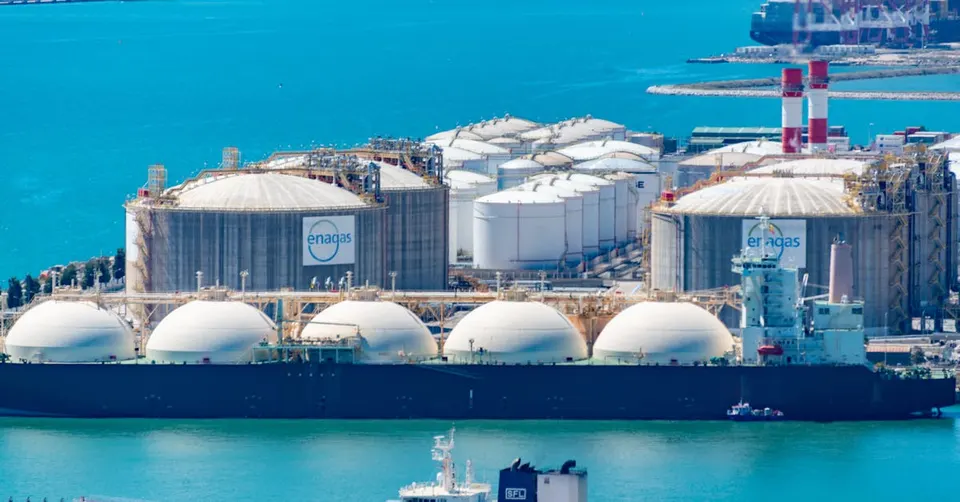
This shift is already being felt in the markets. U.S. natural gas prices at the Henry Hub surged by 5.1% on Tuesday, reaching $3.06/MMBtu, driven by a combination of lower domestic output and the promise of higher LNG flows to Europe. For Iran and other regional producers, this represents a long-term threat to their leverage over Western economies. If Europe can secure its energy needs from Atlantic partners like Canada, the "oil weapon" traditionally held by Gulf states may lose its potency in future diplomatic negotiations.
Tech: The End of Fitbit and the Rise of Google Health
In the world of consumer technology, a major era has come to an end as Google officially retired the Fitbit app, replacing it with the integrated "Google Health" platform. This move coincides with the launch of the new Fitbit Air hardware, but the transition has been anything but smooth. Users have taken to social media and tech forums to express deep frustration over the loss of the dedicated Fitbit interface, which many found more intuitive and fitness-focused than Google’s broader health ecosystem.

This transition highlights the ongoing consolidation of personal data within Big Tech ecosystems. By folding Fitbit into Google Health, the company is positioning itself to better compete with Apple Health, but it risks alienating the loyal community that Fitbit built over a decade. For the tech industry, this serves as a case study in the risks of brand dilution following a major acquisition. As Google attempts to streamline its health offerings, the market will be watching closely to see if users stick with the new platform or migrate to competitors like Garmin or Oura.
Frequently Asked Questions
Why did the price of gold drop in Iran despite military tensions?
What is 'white liquor' and why was the Washington plant implosion so dangerous?
How does the Canada-Germany LNG deal affect Iran's long-term interests?
What is the primary cause of the current US-Iran tension near Hormuz?
The Strategic Chokepoint: Why the Strait of Hormuz Matters
The Strait of Hormuz is a narrow waterway—just about 21 miles (34 km) wide at its narrowest point—situated between the Persian Gulf and the Gulf of Oman. Despite its modest dimensions, it serves as the primary conduit for roughly 20% of the world’s petroleum and a significant share of liquefied natural gas (LNG) shipments. Roughly 30 million barrels of crude oil and 20 million barrels of refined products pass through the strait every day, making it one of the most heavily trafficked maritime chokepoints on the planet.
Historically, the strait has been a flashpoint for conflict. During the 1980‑88 Iran‑Iraq War, both sides mined the waters, leading to the “Tanker War” that threatened global oil supplies. More recently, in 2019 a series of drone and missile attacks on oil tankers and naval vessels raised fears of a sudden closure. In 2020, Iran’s threatened retaliation after the U.S. killing of General Qassem Soleimani again put the waterway under intense scrutiny. Each incident demonstrates how quickly geopolitical tension can translate into real‑world disruptions for energy markets.
The economic ramifications of a threatened or actual closure are profound. Even the mere specter of a shutdown can spike oil prices, as traders price in the risk of supply shortages and higher insurance premiums for vessels transiting the area. Shipping companies may reroute around the Cape of Good Hope, adding up to two weeks and tens of thousands of dollars in fuel costs per voyage. These cost increases ripple through the global economy, affecting everything from gasoline prices at the pump to the cost of goods that rely on petro‑based transportation.
In the current era of shifting energy dynamics—such as Canada’s new LNG deals with Germany, the rise of renewable energy, and the United States’ strategic pivot in the Middle East—countries are actively seeking ways to mitigate dependence on the Hormuz corridor. Alternatives include expanding pipelines from the Caspian region, investing in Arctic routes, or accelerating the transition to cleaner fuels. Nevertheless, as long as a substantial share of the world’s oil still flows through the strait, its strategic importance will remain a barometer for global economic stability.
Topics
Related Articles