Donaldson Trial Grips Iran; Trump Threatens Oman Over Strait of Hormuz
محاکمه دونالدسون ایران را در بر گرفت؛ ترامپ عمان را به دلیل تنگه هرمز تهدید کرد
A pivotal moment in the Donaldson trial saw a victim testify about early abuse, casting a shadow over the political landscape. Meanwhile, escalating tensions in the Strait of Hormuz are highlighted by Trump's aggressive rhetoric towards Oman, raising concerns for regional stability and global trade routes.
At time of publishing
USD
173,100
Toman
Gold 18K
18.41M
Toman / gram
Bitcoin
$73,349
US Dollar
Tether
174,519
Toman
Donaldson Trial Victim Recounts Early Abuse
The courtroom drama surrounding former MP Donaldson intensified today as a key victim took the stand, detailing allegations of abuse that began from "quite a young age." This testimony is central to the 18 charges Donaldson faces, to which he has pleaded not guilty. The gravity of these claims, emerging in a high-profile trial, is likely to sway public opinion and could have significant implications for the political figures and institutions associated with the case.
Why This Matters: For Iranians, legal proceedings involving prominent Western figures often serve as a backdrop against which to assess global norms and justice systems. While seemingly distant, such high-profile cases can indirectly influence perceptions of international law and human rights, impacting how individuals view their own legal frameworks and the potential for international scrutiny. The unfolding narrative also contributes to the broader discourse on accountability, a theme resonating globally.
---
Trump Escalates Hormuz Tensions, Threatens Oman
Amidst ongoing geopolitical friction, former President Donald Trump has reportedly issued a stark warning to Oman, a US ally, threatening to "blow up" the nation if it does not "behave" concerning the Strait of Hormuz. This aggressive stance comes in the wake of reports suggesting Iran and Oman have discussed joint measures, potentially including toll charges for ships transiting the vital waterway. The US has also recently conducted strikes on Iranian targets, with reports indicating casualties within the Islamic Revolutionary Guard Corps, leading to retaliatory actions against a US airbase in Kuwait.
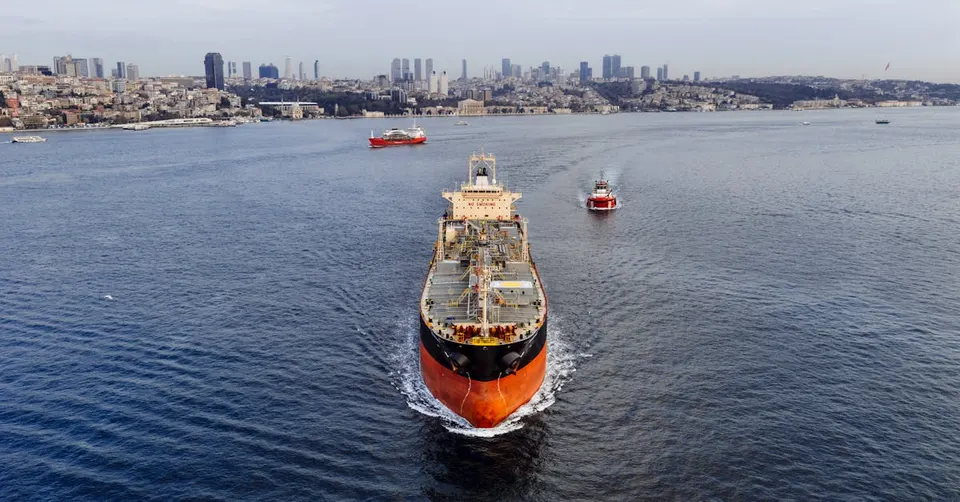
Why This Matters: The Strait of Hormuz is a critical chokepoint for global oil supply, and any disruption or heightened tension directly impacts energy markets. For Iran, this means increased pressure on its economy and potential for further sanctions, while also testing its ability to maintain regional influence. For global markets, such rhetoric signals increased risk, potentially leading to oil price volatility, higher shipping costs, and a general decrease in investor confidence. The direct threat to Oman, a nation often seen as a mediator, complicates regional diplomacy and underscores the volatile nature of current US-Iran relations.
---
401(k) Millionaires Decline Amidst Record Savings Rates
Fidelity's latest data reveals a notable decrease in the number of 401(k) millionaires in the first quarter, even as overall savings rates among workers have climbed to record highs. This divergence suggests that while individuals are diligently contributing to their retirement accounts, the overall value of these accounts may be impacted by market fluctuations or a shift in investment strategies.

Why This Matters: This trend has direct implications for individuals' long-term financial security and retirement planning. For those in Iran, understanding these dynamics in major global economies provides context for domestic savings behavior and investment outlooks. While direct market correlations are complex, shifts in US retirement savings can signal broader economic sentiment, influencing global capital flows and, indirectly, currency and commodity prices that affect the Iranian Toman and gold markets. Higher savings rates globally could indicate a cautious economic outlook, potentially leading to reduced consumer spending but also building a buffer against future downturns. The decline in millionaires despite high savings points to market volatility or asset allocation challenges that warrant attention.
---
EU Fines Temu Over Illegal Product Sales
The European Commission has imposed a substantial fine of €200 million (approximately $232 million) on the Chinese-owned online retailer Temu. The commission found that Temu failed to adequately identify and manage the risks associated with the sale of illegal products, including potentially dangerous children's toys and faulty chargers, thereby violating the EU's Digital Services Act (DSA). This action highlights the growing regulatory scrutiny of large e-commerce platforms operating within the European Union.
Why This Matters: For businesses operating internationally, including those in or dealing with Iran, this ruling underscores the increasing complexity of regulatory compliance across different jurisdictions. It signals a more assertive stance by the EU in policing online marketplaces, which could affect trade dynamics and the availability of certain goods. While not directly tied to Iranian markets, such actions by major economic blocs can influence global trade policies and set precedents for consumer protection, potentially impacting how Iranian businesses engage with international platforms or how foreign platforms approach the Iranian market if sanctions were to ease.
Frequently Asked Questions
What is the latest development in the Donaldson trial?
How are Trump's threats impacting the Strait of Hormuz?
What is the significance of the EU's fine on Temu?
Why are 401(k) millionaires decreasing despite high savings rates?
How does the global market news affect Iranian readers?
The Geopolitical Significance of the Strait of Hormuz
The Strait of Hormuz is one of the world's most critical maritime chokepoints, a narrow waterway connecting the Persian Gulf to the Arabian Sea and beyond. Bordered by Iran to the north and Oman and the United Arab Emirates to the south, this strategic passage is only about 21 nautical miles (39 kilometers) wide at its narrowest point. Its geographical configuration makes it indispensable for global trade, particularly for the energy sector, and a constant focal point for international diplomacy and potential conflict.
Economically, the Strait of Hormuz is unparalleled in its importance to global energy markets. A substantial portion of the world's seaborne oil and liquefied natural gas (LNG) passes through this strait daily, originating from major producers like Saudi Arabia, Iran, Iraq, Kuwait, Qatar, and the UAE. Any disruption to this flow, whether due to political tensions, military conflict, or even accidental blockages, can send shockwaves through the global economy, causing oil prices to spike and threatening energy security for nations worldwide. This makes the strait a vital artery for international commerce and a barometer for global economic stability.
The geopolitical stakes surrounding the Strait of Hormuz are exceptionally high. Its location places it at the heart of complex regional rivalries and international power dynamics. Iran, with its extensive coastline along the strait, has historically asserted its ability to control or even close the waterway in response to perceived threats or sanctions, a move that would have catastrophic global consequences. The presence of major naval forces from various countries, including the United States, underscores the international community's vested interest in maintaining freedom of navigation and ensuring the uninterrupted flow of trade through this critical passage.
Threats or perceived threats to the Strait of Hormuz, such as those alluded to in the headline, immediately escalate global concerns. The prospect of any major power interfering with shipping or threatening its closure highlights the fragile balance of power in the region and the interconnectedness of global energy supplies with regional stability. Understanding the strait's strategic importance is key to grasping the nuances of Middle Eastern geopolitics and its far-reaching implications for international relations, trade, and energy security.
Topics
Related Articles