Iran’s U17 Wrestlers Conquer Asia as Geopolitical Tensions Flare at Beaufort Castle
قهرمانی مقتدرانه نوجوانان کشتی ایران در آسیا همزمان با تشدید تنشهای ژئوپلیتیک در قلعه شقیف
Iran's U17 freestyle wrestling team has secured the Asian Championship title in Vietnam, providing a boost to national morale. Meanwhile, global markets react as Israel seizes the strategic Beaufort Castle in Lebanon and Ukrainian drones strike Russian energy infrastructure.
At time of publishing
USD
170,600
Toman
Gold 18K
18.76M
Toman / gram
Bitcoin
$73,335
US Dollar
Tether
170,694
Toman
Iran’s Youth Wrestlers Secure Asian Dominance
Iran’s Under-17 freestyle wrestling team has once again demonstrated the nation’s dominance in the sport, clinching the Asian Championship title at the tournament held in Vietnam. The young athletes secured an impressive haul of four gold, two silver, and two bronze medals, finishing atop the podium against stiff regional competition. This victory, reported by IRNA, serves as a significant morale booster for the Iranian public, reflecting the deep-rooted wrestling culture that continues to produce world-class talent even at the youth levels.
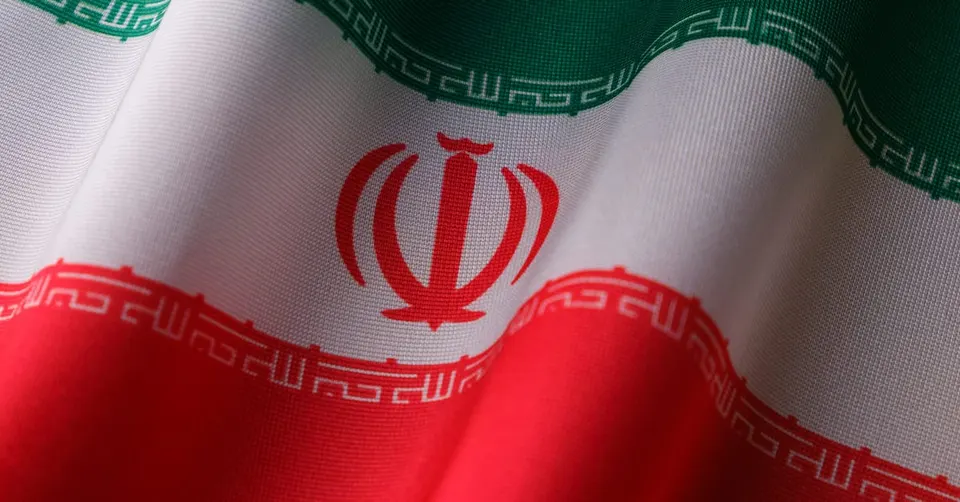
While the sporting arena celebrated, the domestic financial markets in Tehran showed a slight uptick in volatility this Sunday evening. The US Dollar (USD) moved from 170,400 to 170,600 Toman, a marginal increase of 0.1%. More notably, the Emami gold coin saw a sharper rise, climbing from 180,000,000 to 182,000,000 Toman, a 1.1% jump within the last 24 hours. This price action suggests that while the currency remains relatively stable, demand for physical gold as a hedge against regional geopolitical shifts remains robust among Iranian investors.
Israel Seizes Strategic Beaufort Castle in Lebanon
In a move that has significantly escalated regional tensions, Israeli forces have seized the historic Beaufort Castle (Qalaat al-Shaqif) in southern Lebanon. This marks the deepest Israeli incursion into Lebanese territory in over 26 years, harkening back to the prolonged occupation that ended in 2000. The capture of this clifftop fortress is seen as both strategically significant and deeply symbolic, as it overlooks large swaths of the border region and has historically served as a pivotal military outpost for various factions over the centuries.
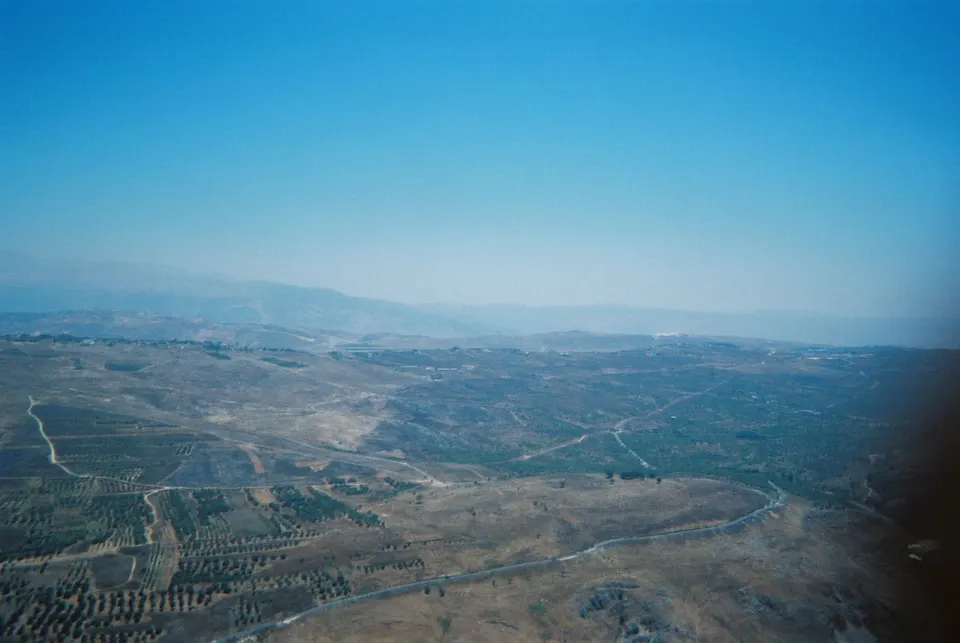
Experts warn that this development further complicates the fragile diplomatic balance between Washington and Tehran. The seizure occurs despite a nominal US-brokered ceasefire, raising fears that the conflict between Israel and Hezbollah is entering a more aggressive phase. For Iranian observers, the stability of the northern front is a key metric for regional security, and any prolonged occupation of strategic landmarks like Beaufort could lead to a reassessment of defense postures across the region, potentially impacting trade and energy routes.
Global Energy Risks Rise Amid Drone Strikes
The global energy landscape faced fresh disruptions as Ukrainian drones targeted several Russian energy facilities overnight. Reports indicate successful strikes on an oil pumping station, a refinery, and a fuel depot across multiple Russian regions. These attacks are part of Kyiv's ongoing strategy to degrade Moscow’s economic engine and logistical capabilities. However, the situation turned more precarious with conflicting reports regarding the Zaporizhzhia nuclear plant; while Moscow accused Ukraine of a drone strike on the facility, Kyiv has categorically denied the claim.
The persistence of these strikes keeps the global oil market on edge, contributing to the steady climb of gold prices, which reached $4,540.30 per ounce this Sunday. For the Iranian economy, which is highly sensitive to global energy fluctuations and the price of gold, these developments reinforce the current upward pressure on precious metals. As Ukraine intensifies its reach into Russian infrastructure, the risk of a major energy supply shock remains a primary concern for international traders, influencing the sentiment in Tehran's gold and currency exchanges.
US Political Friction and Global Health Alarms
In Washington, Interior Secretary Doug Burgum has faced scrutiny over a planned "nonpartisan" concert series celebrating the 250th anniversary of U.S. independence. Critics have called for the disclosure of private donors, especially after several high-profile musicians withdrew from the event, citing concerns that it was being framed as a political rally for Donald Trump. Burgum dismissed these concerns, though the controversy highlights the deep polarization currently affecting even cultural commemorations in the United States, which can have indirect effects on global policy stability.
Meanwhile, the World Health Organization (WHO) has issued an urgent appeal for community cooperation in the Democratic Republic of Congo (DRC) to contain a burgeoning Ebola outbreak. Director-General Tedros Adhanom Ghebreyesus emphasized that managing the virus is a collective responsibility, particularly as local protests against medical protocols have hindered containment efforts. While geographically distant, such health crises often act as "black swan" risks that can disrupt global trade and labor stability in resource-rich regions, occasionally prompting shifts in global investment flows toward safer assets like gold.
Frequently Asked Questions
How many medals did Iran win in the U17 Asian Wrestling Tournament?
What is the strategic significance of Beaufort Castle?
How did the Iranian gold market react to the recent geopolitical news?
What happened to the Zaporizhzhia nuclear plant recently?
The Geopolitical Impact on Currency Value
Geopolitical events, ranging from regional conflicts and international sanctions to political instability and diplomatic tensions, exert a profound and often immediate influence on a nation's economic health, particularly its currency's value. When geopolitical risks escalate, global investors and local businesses perceive increased uncertainty, leading them to re-evaluate their positions in the affected country. This heightened risk perception can trigger capital flight, where investors withdraw funds from the country in search of safer havens, thereby reducing demand for the local currency and causing its value to depreciate against major international currencies like the U.S. dollar.
The mechanism behind this depreciation is multifaceted. Geopolitical instability can disrupt trade routes, impose economic sanctions, or deter foreign direct investment, all of which reduce a country's foreign exchange earnings. For instance, an "energy war" or blockades can limit a nation's ability to export its goods or access vital imports, creating trade imbalances. As a result, the supply of foreign currency within the domestic economy dwindles, while the demand for it (for imports or capital repatriation) remains high, further exacerbating the local currency's decline.
The consequences of a depreciating currency are far-reaching for ordinary citizens and the broader economy. A weaker currency makes imports more expensive, fueling inflation as the cost of essential goods, raw materials, and even food rises. This erosion of purchasing power can significantly reduce living standards and create economic hardship. Furthermore, it complicates debt servicing for governments and businesses with foreign currency-denominated loans, potentially leading to financial instability. Understanding this direct link between global political dynamics and local economic realities is crucial for navigating an interconnected world.
Topics
Related Articles