Reform UK Rocked by Scandal Amid Falklands Dispute; US-Iran Tensions Flare After Wedding Strike; Oil Hits $91, Bitcoin Tops $81K
رسوایی حزب ریفرم بریتانیا و مناقشه فالکلند؛ تنش ایران و آمریکا پس از حمله به عروسی؛ نفت ۹۱ دلار، بیتکوین ۸۱ هزار دلار
A political scandal has hit Reform UK, leading to official suspensions and Nigel Farage's acknowledgment of impropriety, as Argentina reignites its claim over the Falklands, adding to global geopolitical fluidity. Concurrently, US-Iran tensions remain high following a deadly strike on a wedding in southern Iran, prompting a controversial response from a US Vice-President. Amidst this, oil prices have climbed past $91, driven by a 'war premium' linked to Strait of Hormuz uncertainties, while Bitcoin surged above $81,000, buoyed by optimistic market sentiment regarding interest rates.
At time of publishing
USD
221,700
Toman
Gold 18K
23.29M
Toman / gram
Bitcoin
$81,194
US Dollar
Tether
221,588
Toman
Reform UK Scandal Deepens Amid Falklands Dispute Echoes
Reform UK, a prominent political party in Britain, is currently embroiled in a significant donations scandal, leading to the suspension of two key officials, James Orr and Dan Jukes, following an investigation by Channel 4 News. Party leader Nigel Farage has conceded that the comments made by the officials "don't look good," prompting the Electoral Commission to contact the police regarding the undercover findings. This internal turmoil comes at a sensitive time, highlighting vulnerabilities within the party's donor vetting processes and raising questions about political integrity in the UK.
This domestic political upheaval in a major global power like Britain is not merely an internal affair; it carries broader geopolitical implications. The scandal has coincided with renewed assertiveness from the Argentinian president regarding his country's claim to the Falkland Islands, stating that "winds of change" are favorable to their cause. Such internal political distractions and potential weakening of a key Western ally's international standing can contribute to a more unpredictable global landscape, indirectly influencing regional dynamics and investor confidence, including in regions like the Middle East where geopolitical stability is already fragile. For Iranian readers, these shifts underscore the interconnectedness of global politics, where events far afield can subtly impact international trade relationships, currency expectations, or the broader confidence in global governance that affects all nations.
US-Iran Tensions Escalate After Deadly Wedding Strike
The ongoing conflict between the United States and Iran has reached a new, tragic low following a deadly strike on a wedding celebration in Kuhestak, a predominantly Baloch city in Iran’s southern Hormozgan province. Local authorities reported that the blast, which occurred on September 1st, killed at least four people, including a child, and injured over 60, turning a night of festivity into devastation. This incident has sparked widespread mourning and anger among residents, who feel their communities are being disproportionately affected by the escalating conflict.
The human toll of this strike has also ignited a political firestorm in the US, with Vice-President JD Vance facing accusations of "gaslighting" after expressing skepticism that the US was responsible and stating that "sometimes things happen." His comments have drawn sharp criticism from Democrats like Congressman Ro Khanna, who highlighted the seven-month duration of the conflict and the deaths of 18 US service members, challenging Vance's assertion that it is not presently "a war." The Iranian Red Crescent, an independent and generally credible source, reported the casualties, lending weight to the claims of US involvement and intensifying the diplomatic fallout between Washington and Tehran, further destabilizing an already volatile region.

Oil Prices Climb as Hormuz Uncertainty Persists
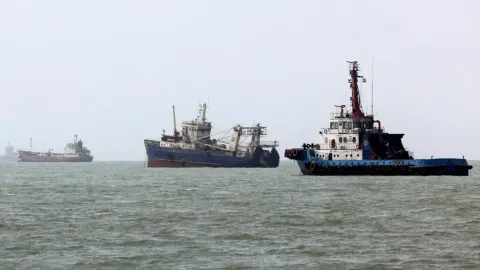
Global oil markets are once again gripped by uncertainty, with WTI crude oil futures climbing above $91, marking a significant increase of over 10% for the week. This surge is largely attributed to a returning "war premium," fueled by the intensifying US-Iran conflict and the subsequent tightening of shipping restrictions by Iran in the Strait of Hormuz. The market had initially tested lower levels, anticipating increased cargo movement, but this selloff proved unsustainable as geopolitical tensions reasserted their influence on supply routes.
The situation in the Strait of Hormuz remains ambiguous, with conflicting reports on actual oil flow. While some US officials claim that 18 million barrels of oil crossed under American protection on a single day, nearing pre-conflict levels, independent verification remains elusive. Shipping data from sources like Kpler and Lloyd's List Intelligence has become unusually difficult to interpret, making it hard to ascertain the true volume of commodities transiting this critical waterway. This lack of transparency and the persistent threat of disruptions continue to underpin higher oil prices, contributing to global inflationary pressures and impacting economies worldwide, including Iran's, which relies heavily on oil exports.
Bitcoin Breaks $81,000 on Hopes of Favorable Rate Decisions
The cryptocurrency market is experiencing a robust rally, with Bitcoin surging past the $81,000 mark, indicating strong bullish sentiment among investors. This significant upward movement is largely driven by growing optimism regarding potential interest rate decisions by central banks, particularly the US Federal Reserve. As economic data, such as stronger-than-expected job reports, is released, market participants are increasingly hopeful that the Fed might adopt a more accommodative monetary policy, which typically favors risk assets like cryptocurrencies.
This rally extends beyond Bitcoin, with other major cryptocurrencies like Ethereum also seeing gains, and several altcoins hitting new all-time highs. The recent momentum suggests a potential "next leg up" in the broader crypto market, as institutional interest continues to grow and digital assets become more integrated into mainstream finance. For investors, this surge signals a renewed confidence in the crypto space, driven by a combination of macroeconomic factors and increasing adoption, offering a stark contrast to the geopolitical uncertainties dominating traditional markets.
Frequently Asked Questions
What is the Reform UK scandal about and how does it relate to the Falklands?
What happened at the wedding in southern Iran, and what is the US response?
How are oil prices being affected by the situation in the Strait of Hormuz?
What is driving Bitcoin's recent surge past $81,000?
How have the Iranian currency and gold markets performed in the last 24 hours?
Strategic Chokepoints and Global Energy Security
Global trade relies on a network of routes, but some narrow passages are so critical that their disruption can send shockwaves across the world. These are known as strategic chokepoints. In the context of energy, an oil chokepoint is a narrow channel or strait along a heavily trafficked sea-lane that is critical for the global supply of oil and natural gas. Their strategic importance stems from the fact that they are often the only viable routes for tankers carrying vast quantities of crude oil and refined petroleum products from major producing regions to consuming markets. Any threat to the free flow of traffic through these points can immediately impact global energy prices and economic stability.
One of the most prominent and frequently discussed strategic chokepoints is the Strait of Hormuz. This narrow waterway connects the Persian Gulf to the Arabian Sea and is bordered by Iran to the north and Oman and the United Arab Emirates to the south. It is arguably the world's most important oil transit chokepoint, with an estimated one-fifth of the world's total petroleum liquids consumption and one-third of the world's liquefied natural gas (LNG) passing through it daily. Major oil producers like Saudi Arabia, Iran, Iraq, Kuwait, Qatar, and the UAE rely on the Strait for their exports.
Given its immense significance, geopolitical tensions in the region, such as those between the U.S. and Iran, frequently cause global concern. Even the threat of disruption, whether from military action, blockades, or shipping incidents, can lead to immediate spikes in international oil prices. This is because market participants anticipate potential supply shortages and price in a "risk premium." Understanding the role of strategic chokepoints like the Strait of Hormuz is crucial for comprehending how regional conflicts can have far-reaching global economic and security implications, directly affecting everything from gasoline prices at the pump to the stability of international markets.
Topics
Related Articles