
Gold Overtakes Treasurys as Global Reserve King; Toman Holds Steady Amid Regional Tensions and Cannes Spotlight
سلطه طلا بر خزانهداری آمریکا؛ ایست پایداری تومان در میان تنشهای منطقهای و جنجالهای کن
As gold officially surpasses US Treasurys as the world's primary reserve asset, the Iranian market sees a 0.8% rise in gold prices. Meanwhile, cultural shifts at Cannes and transparency crises at the Pentagon signal a changing global order.
At time of publishing
USD
174,400
Toman
Gold 18K
19.12M
Toman / gram
Bitcoin
$69,397
US Dollar
Tether
173,379
Toman
The Cultural Mirror: Why a British Class Drama Matters in Tehran
The premiere of "I See Buildings Fall Like Lightning" at the Cannes Film Festival, featuring Peaky Blinders star Joe Cole and director Clio Barnard, has struck a chord that resonates far beyond the streets of Birmingham. The film explores the gritty reality of working-class masculinity and the illusion of social mobility—themes that are increasingly relevant to the Iranian middle class. As the gap between the affluent and the struggling widens in Tehran, the story of Rian (played by Cole), who achieves financial success only to find himself still trapped by his origins, mirrors the psychological state of many Iranian entrepreneurs. They may navigate the world of high-stakes currency trading, yet they remain tethered to a socio-economic structure that feels increasingly volatile and restrictive.
For the Iranian reader, this isn't just about cinema; it's about the universal struggle of identity in a shifting economy. As the Toman hovers at 174,400, the "nouveau riche" of Tehran face a similar paradox: wealth provides a temporary shield, but it cannot buy immunity from the systemic pressures of sanctions and regional instability. The film's focus on the "lightning-fast" fall of structures—both physical and social—serves as a poignant metaphor for the fragility of financial status in a market where a single phone call between world leaders can shift the exchange rate by thousands of Tomans overnight.

The Death of the Treasury Standard: Gold Takes the Crown
In a historic shift for global finance, gold has officially overtaken U.S. Treasurys as the number-one reserve asset for central banks worldwide. For decades, the debt of the world’s largest economy was the bedrock of global stability, but that era has ended. This transition marks a fundamental decoupling from the U.S. dollar, driven by a collective desire for assets that carry no counterparty risk. For Iran, which has long been sidelined from the dollar-based financial system, this global pivot toward gold validates a strategy of hard-asset accumulation that has been a survival necessity for years. The move suggests that the world is preparing for a more fragmented, multipolar financial future where the greenback's hegemony is no longer guaranteed.
In the local market, we are already seeing the ripples of this global trend. Gold 18k in Tehran rose from 18,971,328 to 19,123,228 Toman (+0.8%) in the last 24 hours, even as the global spot price reached a staggering $4,530.60 per ounce. Interestingly, the Emami coin showed a divergence, dropping from 187,000,000 to 184,000,000 Toman (-1.6%), indicating a potential cooling of the local speculative bubble as investors move toward raw gold or other assets. This shift in reserve preference means that the "Gold Standard" is effectively returning through the back door, providing a hedge for those wary of the inflationary pressures haunting both the USD and the IRR.
Geopolitical Friction: From the Pentagon to the SNP Scandal
Transparency is becoming a rare commodity in Western politics, with two major stories highlighting institutional decay. At the Pentagon, the Trump administration has effectively barred reporters from the press room, designating it a classified space and replacing veteran journalists with hand-picked outlets. This move toward a controlled narrative at the heart of the world's most powerful military suggests that future geopolitical moves—including those involving Iran and Lebanon—may be shrouded in even more secrecy. For market participants, this lack of transparency increases the "risk premium," as the likelihood of unexpected military or policy escalations grows when the watchdog press is silenced.
Meanwhile, in the United Kingdom, the SNP embezzlement scandal involving Peter Murrell has exposed a shocking misuse of political funds, including luxury stationery and robotic lawnmowers bought with stolen money. While seemingly distant, these stories of political corruption and the suppression of press freedom contribute to a general sense of instability in the West. As the UK and US grapple with internal integrity crises, their ability to project a unified diplomatic front in the Middle East weakens. This vacuum of leadership often leads to more erratic regional policies, which directly impacts the Toman’s stability as traders react to every rumor of a new "deal" or "threat" emanating from these capitals.
Market Wrap: The Toman's Tightrope Walk
As of 15:00 Tehran time, the currency market remains in a state of cautious equilibrium. The USD sell rate edged up slightly from 174,300 to 174,400 Toman (+0.1%), reflecting a market that is waiting for the next major geopolitical trigger. Despite the IRGC's warnings of "new fronts" and the ongoing tensions in Southern Lebanon, the direct intervention of President Trump to halt an Israeli strike on Beirut has provided a temporary ceiling for the dollar. Traders are currently balancing the fear of regional escalation against the hope of a diplomatic breakthrough, leaving the exchange rate in a narrow, high-tension corridor.
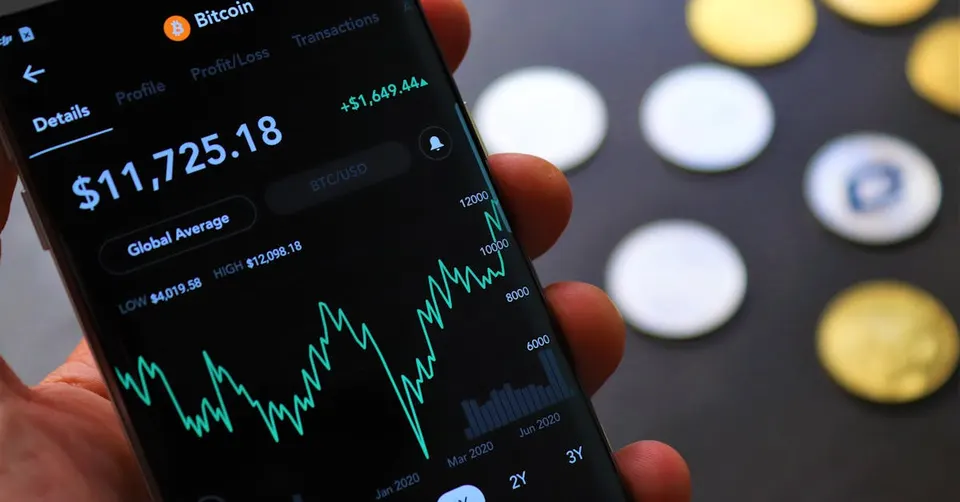
In the crypto space, Bitcoin remains a vital alternative for many Iranians looking to bypass traditional banking hurdles, currently trading at $69,397. However, the real story remains the internal Iranian gold market, where the 0.8% rise in 18k gold suggests that the public still views the yellow metal as the ultimate safe haven. As we move into the late afternoon sessions, all eyes will be on the closing rates in Dubai and the opening of the New York markets, which will determine if the current Toman stability can hold through the week.
Watch
'Peaky Blinders' star Joe Cole and director Clio Barnard on class, masculinity and modern Britain
FRANCE 24 English
Frequently Asked Questions
Why is gold overtaking US Treasurys significant for Iran?
Why did Emami coin prices fall while 18k gold rose?
How does the Pentagon press ban affect the Iranian market?
Understanding Global Reserve Assets and Currencies
Central banks around the world hold vast quantities of foreign assets, known as reserve assets, primarily to ensure the stability of their national economies and facilitate international transactions. These reserves serve multiple critical functions: they can be used to manage a country's exchange rate, provide liquidity in times of financial crisis, back the domestic currency, and settle international debts. Historically, the most prominent form of reserve asset has been foreign currency, particularly the U.S. dollar, due to its widespread acceptance and the depth of U.S. financial markets, making U.S. Treasury bonds a cornerstone of global reserves.
The dominance of the U.S. dollar as the world's primary reserve currency has been a defining feature of the international monetary system for decades. Central banks have traditionally favored holding dollar-denominated assets, especially U.S. Treasurys, because they are considered highly liquid and safe. This preference provides the U.S. with significant economic advantages, including lower borrowing costs and greater influence in global finance. However, the international landscape is constantly evolving, and central banks continually reassess the composition of their reserves based on factors like geopolitical stability, inflation outlooks, and the performance of alternative assets.
The recent headline suggesting gold is "overtaking Treasurys as Global Reserve King" points to a significant shift in this traditional allocation. While the U.S. dollar and its associated assets remain crucial, a growing number of central banks are diversifying their holdings. Gold, a tangible asset with a long history as a store of value, is increasingly seen as a hedge against inflation and geopolitical risks, and as an asset that is not tied to the policies of any single government or central bank. This diversification reflects a broader trend towards a more multipolar global financial system, where reliance on a single reserve asset might be perceived as too risky.
Such a shift, if sustained, has profound implications. A reduced appetite for U.S. Treasurys could potentially increase U.S. borrowing costs and diminish the dollar's global standing over time. Conversely, an increased demand for gold could bolster its price and re-emphasize its role as a fundamental pillar of financial stability. Understanding these dynamics is crucial for grasping the underlying forces shaping global economic power and stability, as central banks strategically adjust their portfolios to navigate an uncertain future.
Topics
Related Articles