Israel Backs Off Beirut Strikes Under Trump Pressure; Toman Holds Steady Amid Hormuz 'Super-Squeeze'
عقبنشینی اسرائیل از حمله به بیروت با فشار ترامپ؛ ثبات تومان در میان «ابر-تنگنای» هرمز
Tensions in Lebanon ease as Israel reportedly backs off threats to strike Beirut, while oil markets face a 'super-squeeze' in the Strait of Hormuz. Meanwhile, Bitcoin continues its slide as capital rotates toward massive AI infrastructure projects.
At time of publishing
USD
174,400
Toman
Gold 18K
19.04M
Toman / gram
Bitcoin
$68,970
US Dollar
Tether
173,641
Toman
Israel Tactical Shift: The Beirut 'Red Line'
In a significant turn for regional stability, reports now indicate that Israel is backing off its immediate threats to strike the Lebanese capital, Beirut. This development follows intense diplomatic pressure from the Trump administration, which is reportedly seeking to preserve the fragile framework of ongoing peace talks with Iran. While Israeli drone strikes have continued in southern Lebanon—tragically claiming the lives of eight civilians including children today—the avoidance of a direct hit on Beirut suggests a tactical pause aimed at preventing a full-scale regional conflagration.
For the Iranian market, this de-escalation provides a much-needed psychological floor. The Toman has remained relatively stable at 174,400 per USD, a marginal 0.1% increase from the previous 174,300. Traders are currently in a 'wait-and-see' mode; while the threat of a wider war has not vanished, the immediate fear of a strike that would necessitate a direct IRGC response has subsided. This has led to a slight cooling in the Emami coin market, which saw a 1.9% drop to 183,500,000 Toman, indicating that some of the 'war premium' is being priced out by local investors.
---
The Hormuz 'Super-Squeeze' and Oil Logistics
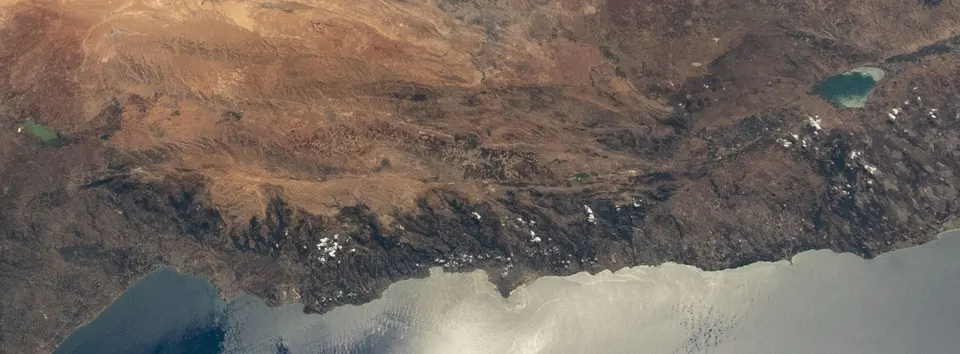
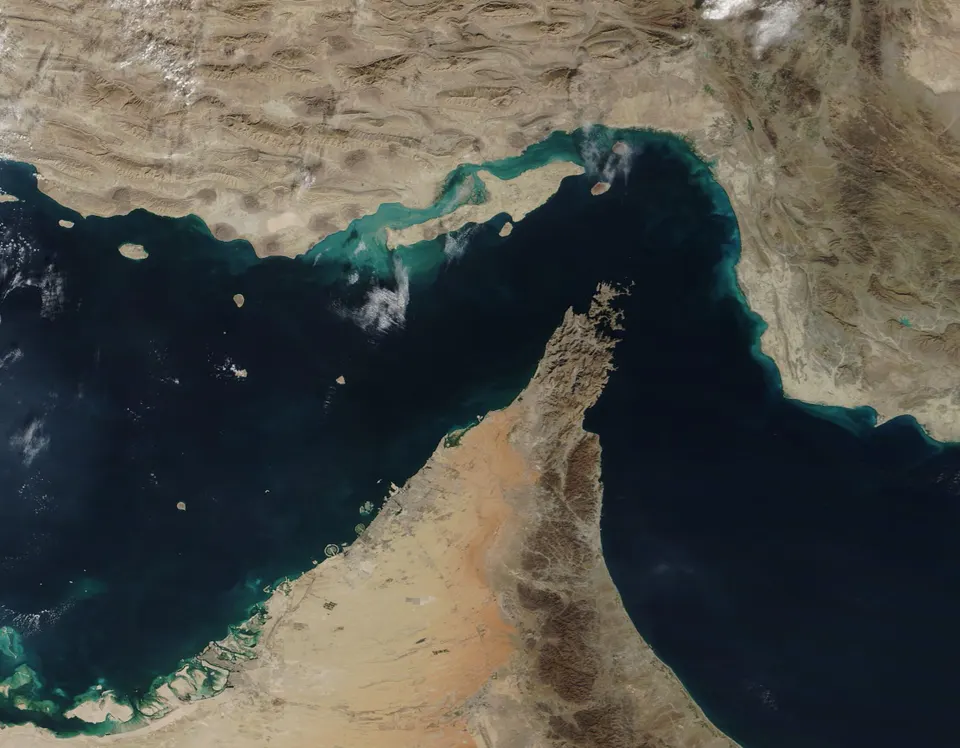
While the military front shows signs of cooling, the economic front in the Strait of Hormuz is tightening. Analysts at HSBC have flagged what they call a 'super-squeeze' in the oil market. This isn't a traditional price cycle driven by demand, but a physical crisis of supply and logistics. Many massive oil tankers remain effectively stuck or are avoiding the Strait altogether, and there are growing concerns that these vessels—the backbone of global energy flows—may not return to the region in the same numbers even after the current crisis resolves.
This logistics nightmare means that even if a ceasefire is reached, the inflationary pressure on energy will persist. For Iran, this is a double-edged sword. On one hand, the supply squeeze keeps global oil prices high, potentially increasing the value of its exports if they can bypass the bottlenecks. On the other hand, the disruption in the Strait increases the cost of all maritime imports into the Persian Gulf, putting upward pressure on the price of consumer goods in Tehran. The current 'tipping point' mentioned by HSBC suggests that inventories are running dangerously low, which could lead to a sharp spike in global crude prices in the coming weeks.
---
Iran Claims Superiority in Air Defense Warfare
Domestically, the Iranian military leadership is projecting a stance of absolute readiness. Brigadier General Alireza Elhami, commander of the Khatam al-Anbiya Joint Air Defense Headquarters, stated today that Iran’s integrated air defense network has inflicted the 'heaviest equipment losses' on enemies in the history of aerial warfare. While the General did not specify the exact timeline or the nature of these losses, the statement serves as a powerful signal of deterrence directed at both regional adversaries and Western powers.
This rhetoric is crucial for maintaining domestic confidence as the country navigates the most volatile geopolitical landscape in years. By highlighting the 'intelligent' nature of the defense network, the military is attempting to reassure the public that the country’s infrastructure is shielded from the types of strikes seen elsewhere in the region. This narrative helps stabilize the domestic economy by curbing panic-buying of hard currency and gold, which often spikes during periods of perceived military vulnerability.
---
Markets: Bitcoin's Slide vs. The AI Infrastructure Boom
In the global financial theater, a massive rotation of capital is underway. Bitcoin has continued its downward trajectory, falling below the $70,000 mark and putting the February low of $60,000 back into play. This sell-off is not happening in a vacuum; it appears that institutional liquidity is being sucked out of speculative assets and poured into the physical infrastructure of the Artificial Intelligence revolution. Google recently announced an $80 billion capital raise, with a significant $10 billion contribution from Berkshire Hathaway, specifically to fund AI development.
This shift is further evidenced by a milestone in US construction spending: for the first time, more money is being spent on building data centers than on the nation's entire transportation infrastructure. For Iranian investors, this highlights a global trend where 'real' tech assets (data centers and energy) are outperforming 'digital' stores of value like Bitcoin. While Gold remains a safe haven—with the 18k gram price rising 0.4% to 19,043,815 Toman—the broader market is clearly signaling that the next decade's winners will be those who control the physical hardware of AI and the energy required to run it.
Watch
'Civilians caught in the crossfire' as Israel continues strikes across Lebanon • FRANCE 24 English
FRANCE 24 English
Frequently Asked Questions
Why did Israel decide not to strike Beirut?
What is the 'super-squeeze' in the Strait of Hormuz?
Why is Bitcoin dropping while AI stocks and data centers are booming?
Understanding Strategic Chokepoints and Global Oil Supply
The news headline mentions a "Hormuz 'Super-Squeeze'," highlighting a critical concept in international relations and economics: strategic chokepoints. These are narrow maritime passages that are crucial for global trade, especially for the transport of energy resources like oil and natural gas. Their strategic importance stems from the fact that a significant portion of the world's commercial traffic must pass through them, making them vulnerable to disruption and giving any actor who controls or threatens them considerable geopolitical leverage.
The Strait of Hormuz, situated between Oman and Iran, is arguably the most vital oil chokepoint in the world. Approximately one-fifth of the world's total petroleum liquids consumption and a third of the world's liquefied natural gas (LNG) pass through this narrow waterway daily. Any significant disruption, blockage, or threat to shipping in the Strait of Hormuz can send shockwaves through global energy markets, leading to sharp increases in oil prices, impacting economies worldwide, and potentially triggering international crises.
A "super-squeeze" in Hormuz, as suggested by the headline, implies heightened geopolitical tensions or direct actions that could impede this crucial flow. Such events can have immediate and severe economic consequences for both oil-exporting and oil-importing nations. For an oil-exporting country like Iran, whose economy is heavily reliant on oil revenues, the stability of its currency (the Toman/Rial) can be directly affected by its ability to export oil through this strait, even as it might also be perceived as a tool for exerting pressure.
Ultimately, understanding strategic chokepoints like the Strait of Hormuz is essential for comprehending global energy security, international trade dynamics, and the complex interplay of economics and geopolitics. The stability of these passages is paramount for the global economy, making them constant points of focus for international diplomacy and potential flashpoints for conflict.
Topics
Related Articles