Russia Hits a Wall in Ukraine as Bitcoin Slips and Toman Holds Steady at 174,300
شکستن هیمنه روسیه در اوکراین همزمان با ریزش بیتکوین و ثبات دلار ۱۷۴ هزار تومانی
Russia faces its first net territorial losses since 2023 as AI-enhanced drones shift the battlefield, while Bitcoin dips below $69,000 amid institutional outflows. In Tehran, the Toman remains flat at 174,300 as the market weighs new EU diplomatic signals regarding sanctions relief.
At time of publishing
USD
174,300
Toman
Gold 18K
18.96M
Toman / gram
Bitcoin
$67,955
US Dollar
Tether
173,924
Toman
The Tide Turns: Russia’s 'Bogged Down' Campaign
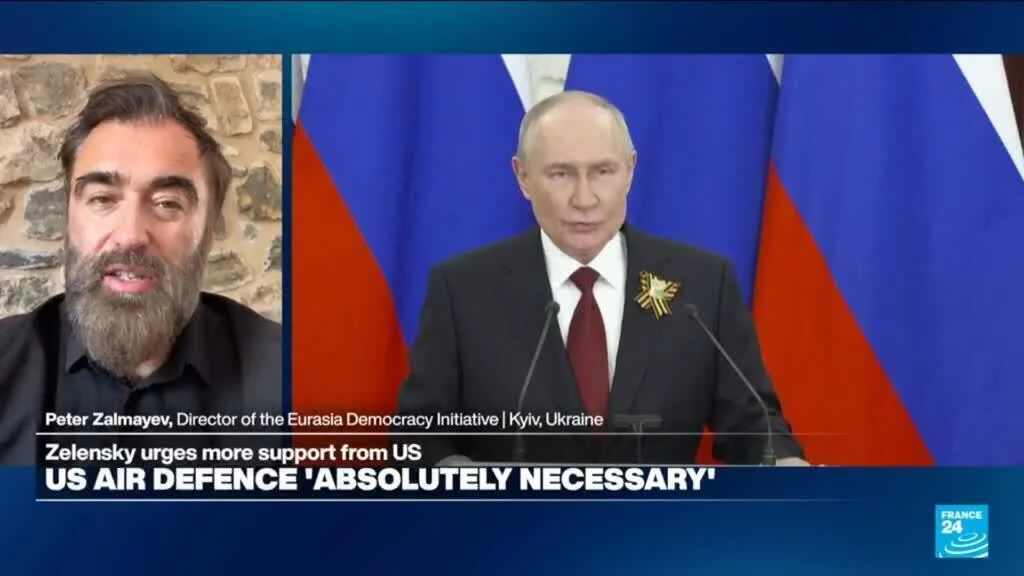
For the first time since the winter of 2023, the Russian military is facing a net loss of territory in its protracted invasion of Ukraine. According to recent assessments from the Eurasia Democracy Initiative, the momentum that Moscow fought so hard to project throughout the last year has stalled. The shift is being attributed to a combination of mounting casualties and the devastating efficiency of AI-enhanced drone warfare, which has allowed Ukrainian forces to systematically dismantle Russian logistics and oil infrastructure. This reversal is significant because it punctures the narrative of an inevitable Russian victory, forcing the Kremlin to rely on spectacular missile strikes against civilian centers in Kyiv to project an image of power to its internal militaristic base.
For Iranian observers, this development is more than just a distant conflict. The deepening military and technological alliance between Tehran and Moscow means that Russia’s battlefield performance directly impacts the perceived strength of the 'Eastern Bloc.' If Russia is truly becoming 'bogged down,' it may limit its ability to support regional allies or fulfill high-tech defense contracts. Furthermore, the success of AI-driven attrition warfare on Russian soil suggests a new era of conflict where traditional massed armor is increasingly vulnerable, a lesson that regional military planners in the Middle East are likely studying with intense scrutiny.
Market Realities: Bitcoin Bleeds While Toman Holds
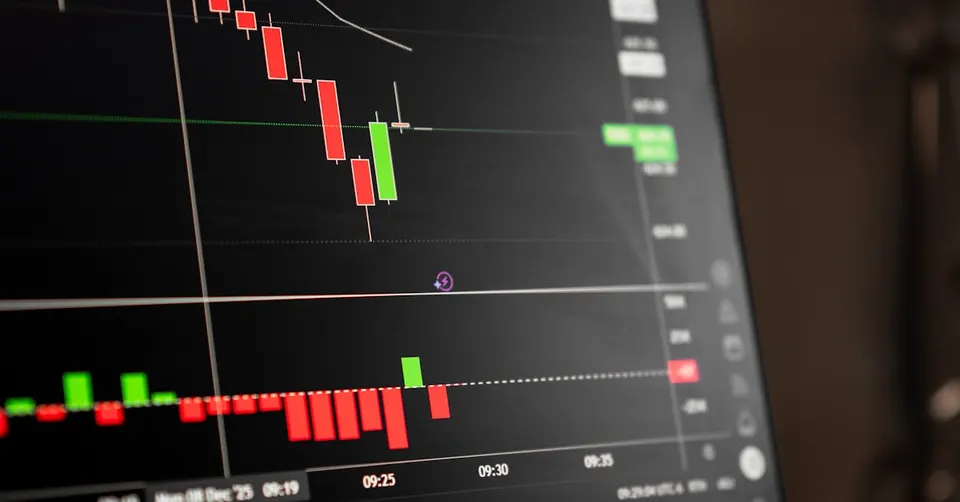
The global financial landscape is showing signs of exhaustion this Tuesday. Bitcoin has tumbled below the $69,000 mark, hitting a two-month low as institutional demand appears to be 'materially softer.' Data shows that ETF outflows have reached a staggering $3.45 billion over an 11-day streak, signaling that the initial hype of the halving year is being replaced by a cautious 'wait-and-see' approach. This crypto-contraction is happening alongside a strategic shift; while some firms are selling, others like Strive are adding to their treasuries, highlighting a growing divide between short-term speculators and long-term institutional holders.
In Tehran, the foreign exchange market has remained remarkably resilient despite the global crypto turbulence. The USD/IRR rate held steady at 174,300 (0.0% change over 24h), suggesting that local demand is currently balanced by central bank interventions or a temporary lull in geopolitical escalations. However, the gold market saw a slight cooling; the Emami coin dropped from 187,000,000 to 183,500,000 Toman, a -1.9% decrease. This correction likely reflects a localized profit-taking phase after weeks of intense volatility, rather than a fundamental shift in the Toman’s long-term trajectory.
Energy Alarms and the EU’s Diplomatic Opening
The International Energy Agency (IEA) has issued a 'red zone' warning for the global oil market as we head into the summer peak. Global oil stocks are on track for historical lows, having fallen by over 250 million barrels between March and May. This supply crunch, exacerbated by heatwaves straining power grids, creates a high-stakes environment for major producers. For Iran, this scarcity increases the strategic leverage of the Strait of Hormuz, as any disruption in the current climate would send global prices into an uncontrollable spiral. It is this economic reality that is likely driving the latest diplomatic overtures from Brussels.
EU High Representative Kaja Kallas has signaled a 'tenuous diplomatic opening' for sanctions relief, provided Iran accepts strict conditions regarding its nuclear stockpiles and missile programs. The EU’s position is clear: they seek to stabilize energy routes and extend the current temporary ceasefire. For the Iranian economy, the prospect of even partial sanctions relief could be the catalyst needed to break the current stagnation. However, the 'strict conditions' mentioned by Kallas remain a significant hurdle, as they touch upon core pillars of Iran's national security strategy, leaving the market in a state of cautious anticipation.
---
Soft Power and Social Friction
While the headlines are dominated by missiles and markets, the cultural front between Iran and Russia continues to expand. In the Russian city of Astrakhan, an international children’s painting contest recently opened, specifically honoring students from Minab. This event serves as a reminder of the 'soft power' initiatives being used to cement the Russo-Iranian axis. By focusing on shared grievances and cultural exchange, both nations are attempting to build a social foundation that can withstand the economic pressures of Western sanctions. It is a strategic move to ensure that the alliance is not just one of military necessity, but of perceived shared identity.

Meanwhile, in the West, social and political friction is manifesting in unexpected ways. The admission of guilt by a high-profile MAGA influencer for an assault in a London Tube station highlights the global reach of polarized American politics. Simultaneously, the UK government is facing a backlash from both unions and firms over plans to ban zero-hours contracts. These domestic instabilities in major Western economies contribute to a sense of global unpredictability, which often drives investors toward 'safe-haven' assets like gold, even as the local Tehran market experiences its own unique fluctuations.
Watch
Russia 'bogged down' in Ukraine, suffering net territorial losses for first the time since 2023
FRANCE 24 English
Frequently Asked Questions
Why is Russia losing territory in Ukraine now for the first time since 2023?
What caused the 1.9% drop in the Emami gold coin price today?
What are the EU's specific conditions for Iran's sanctions relief?
Economic Sanctions and the Resilience (or Fragility) of National Currencies
Economic sanctions are a powerful tool of foreign policy, wielded by nations or international bodies to pressure target countries into changing specific behaviors. These measures typically involve restricting trade, financial transactions, and access to global markets, with the overarching goal of inflicting economic pain. A primary target of such sanctions is often the national currency, as its stability is crucial for both domestic economic health and international trade. By limiting a country's ability to earn foreign currency through exports or access international financial systems, sanctions aim to destabilize its exchange rate, making imports more expensive and eroding purchasing power.
The mechanisms through which sanctions impact a currency are multifaceted. Reduced export revenues mean less foreign currency flowing into the target country, while restrictions on international banking make it harder to conduct cross-border transactions. This can lead to a scarcity of foreign currency within the economy, driving up its price relative to the local currency and causing depreciation. Furthermore, sanctions can trigger capital flight, as investors lose confidence and seek safer havens for their assets, further exacerbating the downward pressure on the local currency.
However, the response of a currency to sanctions is not always straightforward depreciation. As seen with the Toman in the headline, a currency might appear "steady" even under severe pressure. This apparent stability can be a result of various governmental interventions, such as central bank efforts to prop up the currency by drawing on foreign reserves, implementing strict capital controls to prevent money from leaving the country, or establishing multiple exchange rates (an official rate for essential goods and a much weaker black market rate for others). Such measures often mask underlying economic distress, leading to distortions, black markets, and a widening gap between official and unofficial valuations, which ultimately reflects the true cost of sanctions on the populace.
Ultimately, the long-term impact of sanctions on a currency and economy depends on several factors: the severity and breadth of the sanctions, the target country's economic resilience, its ability to find alternative trading partners or develop domestic industries, and the effectiveness of its central bank in managing the currency. While sanctions are designed to isolate and weaken, they can also paradoxically spur domestic innovation or lead to the formation of new geopolitical alliances, creating a complex and evolving economic landscape.
Topics
Related Articles