Rubio Demands Hormuz Reopening as First Condition for Iran Deal; Toman Dips to 173,900 Amid Diplomatic Heat
شرط اول روبیو برای توافق با ایران: بازگشایی تنگه هرمز؛ افت قیمت سکه امامی در پی فشارهای دیپلماتیک
US Secretary of State Marco Rubio has set the reopening of the Strait of Hormuz as a non-negotiable first step for any diplomatic breakthrough with Tehran. Meanwhile, the Toman shows signs of cautious optimism as Emami coins drop 2.1% amid reports of Trump pressuring Israel to halt Beirut strikes.
At time of publishing
USD
173,900
Toman
Gold 18K
18.97M
Toman / gram
Bitcoin
$67,453
US Dollar
Tether
173,646
Toman
The Hormuz Ultimatum: Rubio’s Line in the Sand
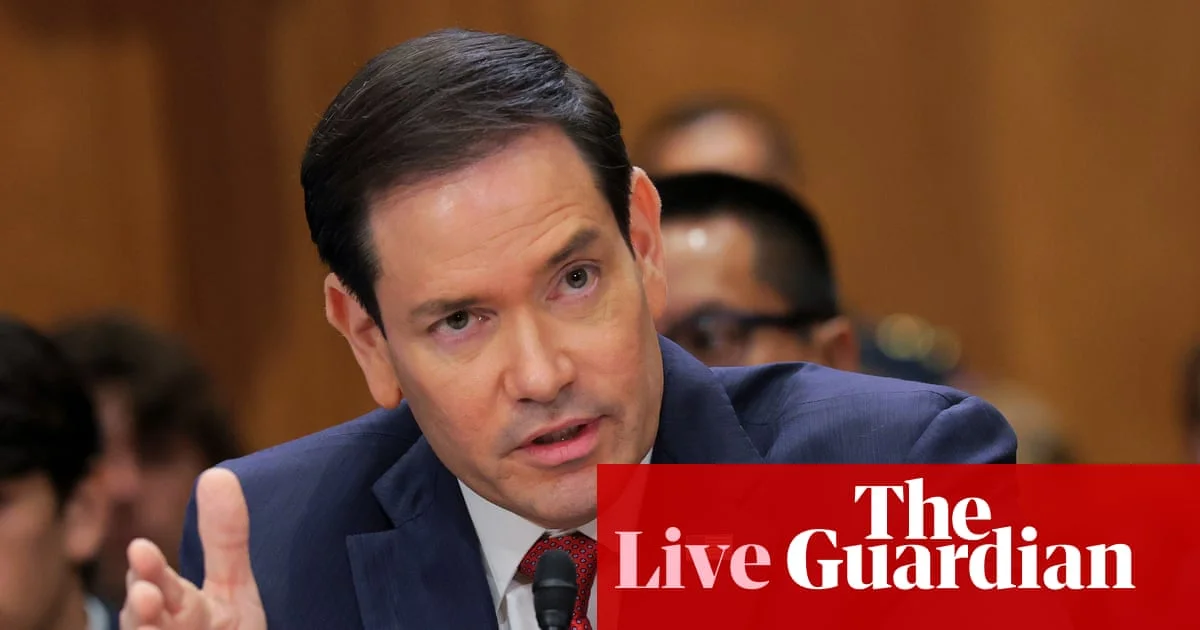
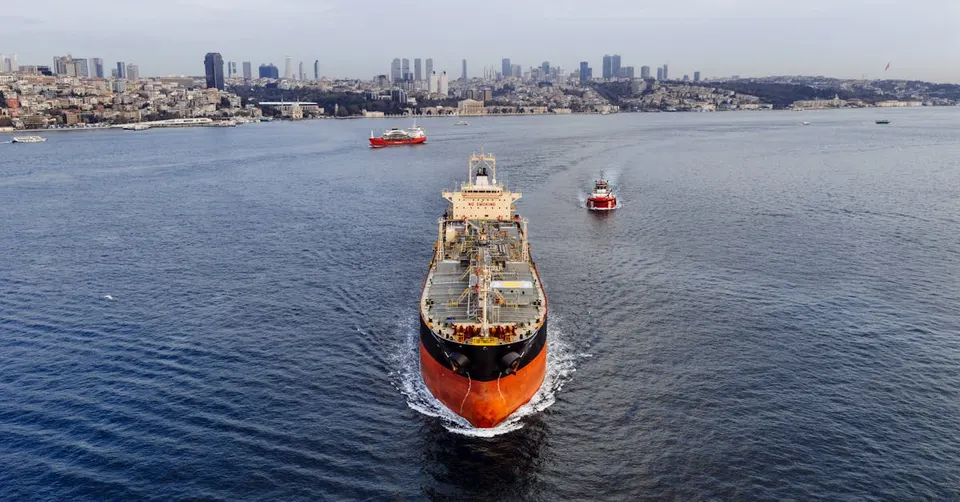
In a move that has sent ripples through both diplomatic circles and energy markets, US Secretary of State Marco Rubio has explicitly stated that the reopening of the Strait of Hormuz is the primary condition for any meaningful negotiations with the Islamic Republic. Speaking during a live update on the Middle East crisis, Rubio emphasized that the global economy can no longer be held hostage by maritime blockades. This stance marks a hardening of the Trump administration's position, moving beyond nuclear enrichment levels to focus on immediate regional stability and the free flow of oil. Rubio also noted that Iran must commit to specific negotiations regarding its stockpile of highly enriched uranium, signaling that the 'maximum pressure' campaign has entered a new, more transactional phase.
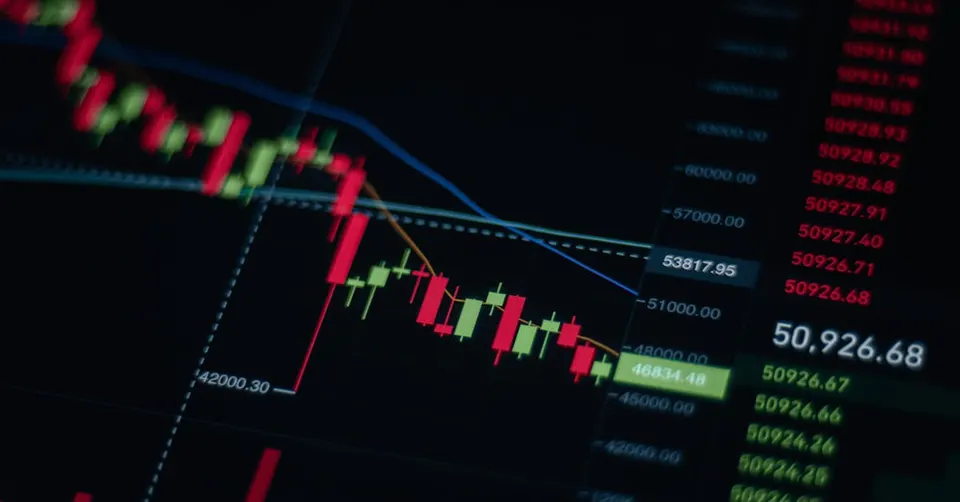
For the Iranian market, this ultimatum is a double-edged sword. On one hand, it provides a clear, albeit difficult, roadmap for sanctions relief that the business community has been desperate for. On the other, it demands that Tehran surrender its most significant strategic leverage in the Persian Gulf before any economic benefits are realized. The immediate reaction in Tehran was a slight strengthening of the national currency; the USD moved from 174,300 to 173,900 Toman (-0.2%). This suggests that traders are betting on a eventual diplomatic compromise rather than a total breakdown in talks, despite the aggressive rhetoric coming from Washington.
Trump’s 'F-Bomb' Diplomacy and the Beirut De-escalation
Behind the scenes of the public ultimatums, a more volatile dynamic is unfolding between Washington and Tel Aviv. According to reports from Axios, President Donald Trump reportedly used explicit language in a heated phone call with Prime Minister Benjamin Netanyahu, demanding an immediate halt to threats of resuming bombings in Beirut. Trump’s frustration stems from the fact that Iran had previously indicated a willingness to suspend talks with the US if the Lebanese campaign escalated further. For Trump, who is positioning himself as a 'deal-maker' capable of ending Middle Eastern conflicts, Netanyahu’s military persistence is seen as a direct obstacle to a landmark agreement with Tehran that could define his second term.
This friction between the US and Israel is providing a strange sort of support for the Toman. Iranian investors perceive Trump’s willingness to confront Netanyahu as a sign that the US is serious about regional stabilization. This sentiment contributed to a notable correction in the gold market today. The Emami coin fell from 187,000,000 to 183,000,000 Toman, a significant -2.1% drop. When the 'war premium' begins to evaporate from gold and coins, it usually indicates that the local market believes the immediate threat of a wider regional conflagration has subsided, at least for the current hourly cycle.
The 2027 Pivot: A Post-War Oil Surge on the Horizon
While current headlines focus on blockades and shouting matches, long-term economic forecasts are already preparing for a post-crisis landscape. A new report from BMI, a unit of Fitch Solutions, suggests that major Middle Eastern producers including Iraq, the UAE, and Saudi Arabia are positioning themselves for a massive production surge in 2027. Iraq, in particular, is expected to see a staggering 34.1% jump in output as it rebounds from the disruptions caused by the current conflict and the closure of the Strait of Hormuz. This data suggests that the regional giants are not just waiting for peace—they are actively investing in the infrastructure to dominate the energy market once the current geopolitical bottleneck is cleared.
For Iran, this '2027 Pivot' represents a ticking clock. If Tehran remains under heavy sanctions while its neighbors ramp up production to record levels, it risks losing its remaining market share in Asia permanently. The UAE is already operating with fewer constraints, and Saudi Arabia is maintaining the capacity to flood the market if necessary. This pressure to not be 'left behind' in the upcoming energy boom is likely a key driver behind Iran’s continued engagement in talks with the US, despite the heavy conditions set by Rubio. The global oil price remains steady as the market weighs these long-term supply surges against the immediate risks of the Hormuz 'super-squeeze.'
Consumer Safety and the Shadow Trade: The ACCC Crackdown
In a story that impacts the 'grey market' trade many Iranians rely on, the Australian Competition and Consumer Commission (ACCC) has received a 'super-complaint' regarding unsafe products on platforms like AliExpress, Amazon, and eBay. The investigation by the consumer group Choice found an alarming number of dangerous items, including 'franken-cans' (hybrid plastic-metal packaging that is non-recyclable) and toys that are essentially weapons. While this may seem distant from the halls of power in Tehran, these platforms are often the primary source for the small-scale importers who provide the Iranian market with consumer electronics and lifestyle goods that are otherwise unavailable due to formal sanctions.
If global regulators like the ACCC successfully push for stricter oversight and 'product passports' for items sold on these marketplaces, the informal supply chains that feed into the Middle East could face significant disruptions. Increased compliance costs for AliExpress sellers often translate directly to higher prices for the end-users in Tehran who use third-party shipping services. As the Toman struggles to maintain its value, any increase in the cost of imported consumer goods adds further pressure to domestic inflation, making the 'safe' procurement of technology an increasingly expensive endeavor for the average citizen.

Watch
WATCH: Sen. Shaheen makes opening statement in 1st Rubio hearing since Iran war
PBS NewsHour
Frequently Asked Questions
Why is the Strait of Hormuz the 'first condition' for the US?
Why did Emami coin prices drop more significantly than the US Dollar?
What does the 2027 oil production forecast mean for Iran's economy?
The Geopolitical Significance of the Strait of Hormuz
The Strait of Hormuz is a narrow, strategically vital waterway connecting the Persian Gulf with the Arabian Sea and the broader Indian Ocean. At its narrowest point, it is only about 21 miles (33 km) wide, with shipping lanes just two miles (3 km) wide in each direction. This makes it one of the most critical maritime chokepoints in the world, a geographical bottleneck through which an immense volume of global trade, particularly oil, must pass.
Its immense importance stems from the fact that a significant portion of the world's seaborne oil passes through the Strait daily. Countries bordering the Persian Gulf, including Saudi Arabia, Iran, Iraq, Kuwait, Qatar, and the UAE, are major oil and gas producers. For many of these nations, the Strait of Hormuz is their only maritime outlet for exporting crude oil and liquefied natural gas (LNG) to international markets. Any disruption to traffic through this strait can therefore send shockwaves through global energy markets, directly impacting oil prices and supply stability worldwide.
Given its role as a global energy artery, the Strait of Hormuz is a perennial flashpoint for geopolitical tensions. Threats to its closure, whether explicit or implicit, are often used as leverage in international diplomacy and regional conflicts. Such threats can trigger immediate responses in global commodity markets, as seen with the Toman's dip amid diplomatic heat, reflecting investor concern over potential supply disruptions. The security of the Strait is thus a paramount concern for major global powers and a constant factor in Middle Eastern foreign policy, directly influencing everything from regional military postures to international trade agreements and currency valuations.
Topics
Related Articles