Rubio Signals Thaw as Tehran Negotiations Deepen; Toman Dips to 173,800 Amid Market Reset
سیگنالهای مثبت رابیو از فعالتر شدن تهران در مذاکرات؛ افت قیمت دلار و سکه در بازار تهران
US Secretary of State Marco Rubio reports that Tehran is now willing to discuss previously 'off-limits' nuclear files, causing a slight retreat in the Toman. Meanwhile, Microsoft unveils its first independent reasoning AI as global commodity markets face a 'borrowed time' crisis.
At time of publishing
USD
173,800
Toman
Gold 18K
18.87M
Toman / gram
Bitcoin
$67,336
US Dollar
Tether
173,454
Toman
Rubio Signals Diplomatic Shift as Toman Corrects
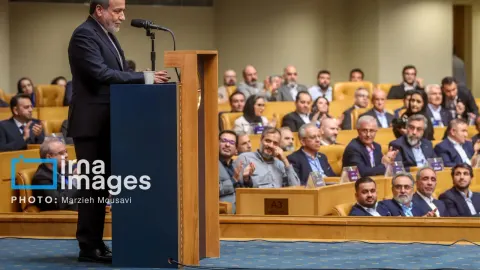
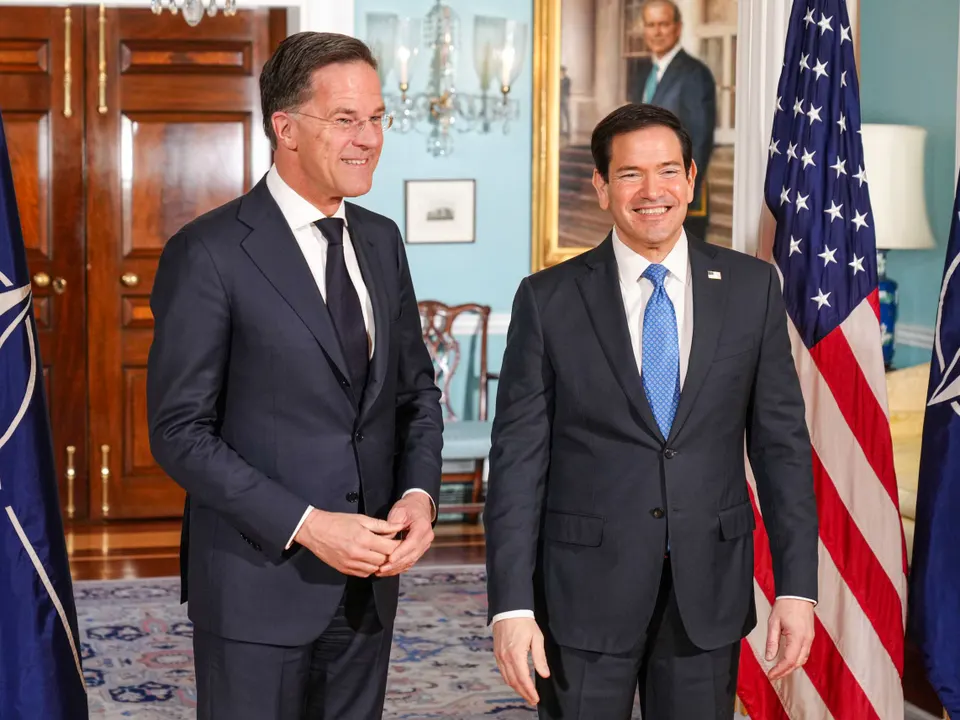
In a significant development for regional stability, US Secretary of State Marco Rubio informed lawmakers today that Tehran has shown a newfound willingness to discuss aspects of its nuclear file that were previously considered strictly off-limits. This diplomatic opening comes amid reports that Iran’s Supreme Leader has become more personally active in the oversight of these negotiations. The shift suggests a potential breakthrough in the long-standing deadlock over sanctions and maritime security in the Strait of Hormuz, providing a rare moment of optimism for international observers and market participants alike.
The impact on the Tehran currency market was immediate, albeit measured. The USD/IRR exchange rate, which had seen significant volatility in recent weeks, moved from 174,300 down to 173,800, representing a 0.3% decrease. While the drop is modest, it reflects a cooling of the 'panic premium' that has dominated the market since the escalation of regional tensions. Traders are now closely watching for concrete policy actions that might follow these rhetorical shifts, as the gap between diplomatic signaling and actual sanctions relief remains the primary hurdle for a sustained Toman recovery.
Microsoft Challenges OpenAI with 'MAI-Thinking-1'
At the Build 2026 conference, Microsoft has officially signaled its independence from OpenAI by unveiling its first advanced reasoning model, MAI-Thinking-1. This new 'flagship' model is designed to handle complex logic and multi-step problem-solving, moving beyond the simple generative capabilities of previous iterations. By developing its own in-house intelligence, Microsoft is not only reducing its reliance on third-party partners but is also attempting to capture the high-margin enterprise market that demands specialized, secure AI agents. This move marks a pivot in the tech giant's strategy, prioritizing proprietary hardware-software integration over generic cloud-based services.
Beyond software, Microsoft also introduced 'Project Solara,' an Android-based operating system specifically built for AI agent gadgets, and the Majorana 2 quantum chip. The company claims this chip significantly shortens the timeline to useful quantum computing, which could eventually revolutionize cryptography and financial modeling. For the global economy, this surge in AI infrastructure investment is a double-edged sword; while it promises massive productivity gains, the sheer capital expenditure required is tightening credit markets and shifting investor focus away from traditional sectors toward a high-stakes 'intelligence arms race.'
Commodity Markets on 'Borrowed Time' as Gold Slips
Global commodity markets are currently operating on what analysts call 'borrowed time.' Despite the ongoing Middle East crisis and the near-total disruption of energy flows through the Strait of Hormuz, prices have remained deceptively stable. This stability is largely due to governments and large-scale producers drawing down their strategic buffers and emergency reserves to prevent a full-scale economic collapse. However, as these buffers reach critical lows, the global economy faces a heightened risk of a sudden, violent price correction in energy and fertilizer markets, the latter of which is already forcing farmers to make high-stakes gambles on their upcoming harvests.
In Tehran, the gold and coin markets have reflected this global uncertainty through a sharp correction. The price of 18k gold per gram fell from 18,971,328 to 18,870,446 Toman (-0.5%), while the Emami coin saw a more dramatic plunge, dropping from 187,000,000 to 183,000,000 Toman, a 2.1% decrease in a single day. This 'bubble bursting' in the coin market suggests that local investors are shifting back toward liquid cash or stablecoins as they weigh the potential for a diplomatic breakthrough against the looming threat of a global commodity shock. The disconnect between local gold prices and the global ounce—which remains high at $4,490.30—highlights the unique domestic pressures currently facing the Iranian financial system.

US Political Friction and the Intelligence Shakeup
The domestic political landscape in the United States is facing fresh turbulence as Republican senators voice public skepticism over President Trump’s choice for the nation’s top intelligence job. Bill Pulte, a high-profile ally of the President, is facing intense questioning from veteran GOP lawmakers like John Cornyn and Bill Cassidy regarding his qualifications to lead the intelligence community. This internal friction within the Republican party signals a broader struggle over the direction of US foreign policy and national security, as the administration attempts to replace career officials with loyalists who favor a more isolationist and transactional approach to global affairs.
For regional actors in the Middle East, this shakeup in Washington is more than just domestic theater. The uncertainty surrounding the leadership of US intelligence agencies directly impacts how threats are assessed and how negotiations with Tehran are handled. If the intelligence apparatus becomes siloed or politicized, the risk of miscalculation in the Persian Gulf increases. As the White House prepares for a rescheduled correspondents’ dinner in July—following the security incidents of the spring—the focus remains on whether the administration can maintain a unified front while navigating the most complex geopolitical landscape in decades.
Frequently Asked Questions
Why is the Emami coin falling faster than the USD?
What makes Microsoft's MAI-Thinking-1 different from GPT-4?
How do 'commodity buffers' affect the Iranian economy?
Understanding Currency Devaluation under Sanctions: The Iranian Toman
When a country faces extensive international sanctions, its currency often suffers a sharp decline in value. Currency devaluation is the process by which the nominal value of a unit of money falls relative to foreign currencies. In Iran, the official exchange rate for the rial (the unit underlying the toman, which is ten rials) is set by the Central Bank, but a parallel black‑market rate frequently diverges dramatically because sanctions limit access to foreign dollars and euros.
Sanctions restrict Iran’s ability to export oil, its primary source of hard currency, and they also block many Iranian banks from the global financial system. With fewer dollars flowing in, demand for the rial outpaces supply, pushing the market rate higher (i.e., the rial weakens). The government may intervene by fixing an official rate to keep imports affordable, but this creates a dual‑rate system where the official price is artificially low while the market price reflects true scarcity. The gap between the two rates can fuel inflation, capital flight, and a loss of confidence in the national currency.
The recent dip of the toman to around 173,800 per US dollar, as highlighted in the headline, is a symptom of this dynamic. Negotiations between Tehran and Washington—signaled by figures like Senator Marco Rubio—can temporarily stabilize expectations, but lasting stability requires a lift of sanctions or a structural shift in Iran’s economy. Understanding how devaluation works helps explain why political signals, oil‑related crises in the Strait of Hormuz, and even global tech developments (e.g., AI investments at Microsoft Build) can ripple through Iran’s exchange market.
For anyone watching emerging markets, the Iranian case illustrates a broader lesson: exchange‑rate regimes are not just technical tools; they are political instruments that reflect a country’s external constraints and internal policy choices. When sanctions are in play, the currency becomes a barometer of diplomatic tension as much as of economic fundamentals.
Topics
Related Articles