EU Defies Energy Crisis Fears; Tehran Eyes IAEA Nuclear Diplomacy as Global Inflation Sparks New Protests
ایستادگی اروپا در برابر بحران سوخت؛ دیپلماسی هستهای تهران و موج جدید اعتراضات علیه تورم در هند
Despite escalating regional tensions, the EU transport chief insists jet fuel supplies remain stable, cooling global energy panic. Meanwhile, Iran, Russia, and China have formed a united front in Vienna ahead of a critical IAEA meeting, while US Republicans push through a massive $70 billion enforcement bill.
At time of publishing
USD
174,500
Toman
Gold 18K
18.86M
Toman / gram
Bitcoin
$62,335
US Dollar
Tether
174,400
Toman
Europe Calms Markets Amid Middle East Supply Disruptions
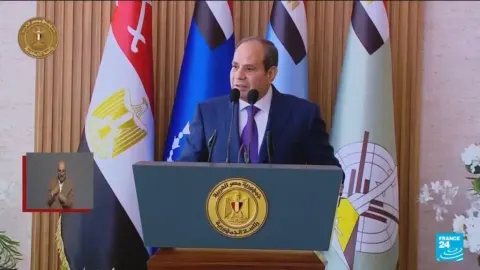
Despite the ongoing conflict in the Middle East and the resulting shock to global supply chains, the European Union has issued a confident signal to the energy markets. Apostolos Tzitzikostas, the EU Sustainable Transport and Tourism Commissioner, stated on Friday that Europe is not facing a jet fuel shortage. This announcement comes as a surprise to many analysts who expected a significant squeeze following the loss of supply from Middle Eastern refineries. Tzitzikostas emphasized that while prices have seen volatility since the regional war intensified in late February, the logistical pipelines and strategic reserves within the EU remain robust enough to prevent any grounded flights or systemic fuel rationing.
This cooling of rhetoric is a strategic move to prevent panic buying and further inflationary pressure on the aviation sector. For the global economy, this means that the 'fear premium' on oil prices may begin to subside slightly, as one of the world's largest consumers of energy signals it has the situation under control. However, the underlying volatility remains, as European airlines continue to grapple with high operational costs. The message is clear: while the supply is physically present, the economic cost of securing it in a wartime environment remains the primary challenge for the coming quarter.
The Triple Alliance: Tehran, Moscow, and Beijing Coordinate on Nuclear Files
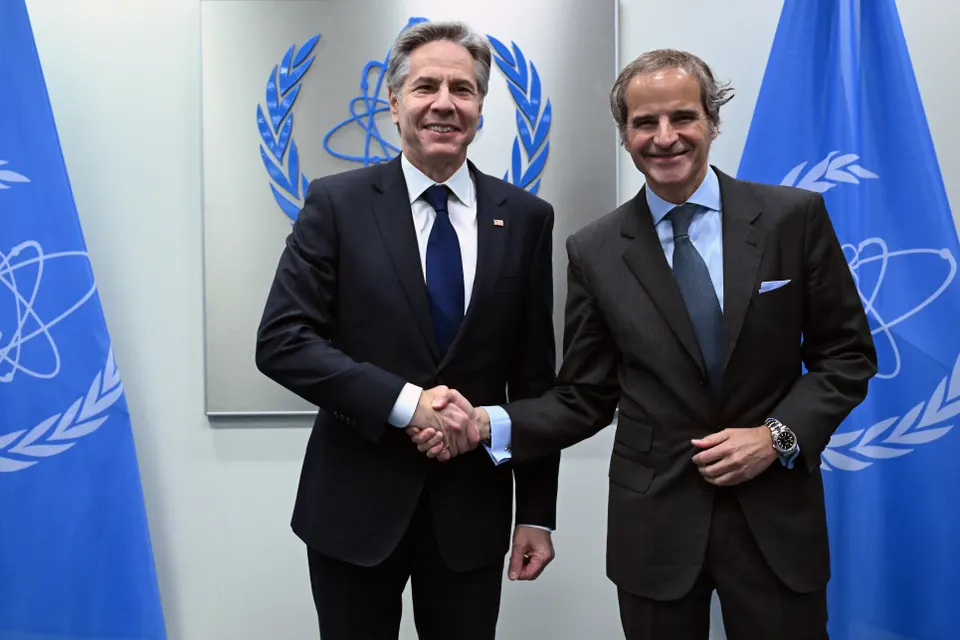
In a significant display of diplomatic coordination, the permanent representatives of Iran, Russia, and China held a joint meeting with Rafael Grossi, the Director General of the International Atomic Energy Agency (IAEA). This meeting, held in London and Vienna, serves as a precursor to the upcoming IAEA Board of Governors meeting. By presenting a unified front, these three nations are signaling to Western powers that any attempt to pass censuring resolutions will face a consolidated wall of opposition. The discussions reportedly focused on technical cooperation and the implementation of safeguards, but the political undertones are unmistakable: Tehran is leveraging its alliances to balance the pressure from Washington and Brussels.
Simultaneously, the IAEA has managed to broker a rare ceasefire in Ukraine specifically to allow for critical repairs at the Zaporizhzhia nuclear power plant. While this seems geographically removed from the Middle East, it demonstrates the IAEA's current high-stakes involvement in global conflict zones. For Iran, the success or failure of these diplomatic maneuvers directly impacts the domestic currency market. Any sign of a 'thaw' or a successful negotiation tends to strengthen the Toman, while a breakdown in talks often leads to the speculative spikes we see in the USD/IRR rate. Currently, the market remains in a state of 'cautious waiting' as the June 5th data shows the USD rose from 173,700 to 174,500 (+0.5%).
US Fiscal Shifts and the 'Cockroach' Inflation Protests
In the United States, the Senate has moved forward with a massive $70 billion bill focused on immigration enforcement and border security. This 'vote-a-rama' session highlights the deepening political divide as Republicans push for hardline funding while Democrats attempt to block specific discretionary funds for the Trump administration. This fiscal expansion is being watched closely by global markets, as increased government spending on domestic enforcement often signals a shift toward protectionism and potential labor market disruptions. For international investors, the stability of the US budget is a key metric for the strength of the dollar, which in turn dictates the pace of gold and crypto markets.
Meanwhile, in India, a unique political phenomenon is taking to the streets. The 'Cockroach Janta Party,' which began as a viral online movement among the youth, is organizing massive protests in New Delhi this Saturday. The movement targets high unemployment and the crushing weight of inflation, which has made basic living standards unattainable for many. This grassroots unrest in one of the world's largest emerging economies serves as a warning sign for global leaders: the 'inflation tax' is reaching a breaking point for the working class. As gold prices in Tehran show a slight uptick of +0.1% to 18,864,675 Toman per gram, it is evident that the global flight to hard assets is driven by this shared anxiety over currency devaluation and rising costs of living.

Watch
EU sees no jet fuel shortage amid price surge, transport chief says
Reuters
Frequently Asked Questions
Why is the EU claiming there is no jet fuel shortage despite Middle East tensions?
What is the significance of the Iran-China-Russia meeting with the IAEA?
How does the $70 billion US immigration bill affect global markets?
Understanding Inflation: The Silent Tax on Your Wallet
Inflation is a fundamental economic concept that describes the rate at which the general level of prices for goods and services is rising, and consequently, the purchasing power of currency is falling. When inflation is high, your money buys less than it did before, effectively acting as a 'silent tax' on your savings and income. It's typically measured using indices like the Consumer Price Index (CPI), which tracks the average change over time in the prices paid by urban consumers for a market basket of consumer goods and services.
There are two primary drivers of inflation: demand-pull and cost-push. Demand-pull inflation occurs when aggregate demand in an economy outweighs the aggregate supply, meaning too much money is chasing too few goods. Cost-push inflation, on the other hand, arises from increases in the cost of production, such as higher wages, raw material prices, or energy costs. For instance, global events impacting energy supplies, like the "EU energy crisis fears" mentioned in the headline, can significantly contribute to cost-push inflation by making everything from transportation to manufacturing more expensive.
The widespread impact of inflation is evident in the "global inflation sparks new protests" and "India inflation protests" mentioned in the keywords. High inflation erodes the value of savings, makes it harder for individuals and families to afford necessities, and can lead to widespread economic uncertainty and social unrest. It also affects exchange rates, as a currency with high domestic inflation tends to depreciate against currencies of countries with lower inflation, influencing rates like the "USD IRR exchange rate." Investors often turn to assets like "gold price Tehran today" as a hedge against inflation, as gold is traditionally seen as a store of value during times of economic instability.
Central banks typically combat high inflation by raising interest rates, which aims to cool down demand and make borrowing more expensive, thereby slowing economic activity. However, balancing inflation control with economic growth is a delicate act, as overly aggressive measures can tip an economy into recession. Understanding inflation is crucial for citizens, businesses, and policymakers alike, as its dynamics profoundly shape economic stability and living standards.
Topics
Related Articles