Regional Security Alliances and the Wealth Boom Paradox: Why Global Inflation Still Bites
اتحادهای امنیتی منطقهای و تناقض رونق ثروت: چرا تورم جهانی همچنان فشار میآورد؟
Iran and Tajikistan tighten security ties via the SCO as regional stability becomes the priority for economic growth. Meanwhile, a new Bank of America report warns that record-breaking global stock markets are actually fueling the inflation that hurts low-income earners.
At time of publishing
USD
174,500
Toman
Gold 18K
18.81M
Toman / gram
Bitcoin
$61,816
US Dollar
Tether
174,399
Toman
Security as the New Economic Currency: Iran and Tajikistan Strengthen Ties
In a significant move to bolster regional stability, the interior ministers of Iran and Tajikistan met today to discuss deepening their counter-terrorism cooperation and bilateral ties. Utilizing the framework of the Shanghai Cooperation Organization (SCO), both nations are looking to exchange expertise in managing border security and neutralizing extremist threats. This diplomatic push comes at a time when Central Asian corridors are becoming increasingly vital for trade, making any security lapse a direct threat to the economic ambitions of Tehran and Dushanbe alike.
Iran’s Interior Minister, Eskandar Momeni, emphasized that security is the absolute prerequisite for sustainable development. His assertion that investment is "meaningless" without stability resonates strongly with the current state of the Iranian market. For local traders and investors, these high-level security agreements act as a psychological floor, potentially mitigating the 'war risk' premium that often drives volatile spikes in the currency markets. As the USD/IRR moved from 173,700 to 174,500 (+0.5%) today, the focus on long-term regional pacts remains a critical counterweight to immediate geopolitical jitters.

The Transatlantic Rift: Policing, Politics, and the Nowak Case
A rare and sharp diplomatic friction has emerged between London and Washington following the death of Henry Nowak. Downing Street officially rejected US claims of "two-tiered policing" in the UK, a narrative that has been gaining traction in American political circles. The spokesperson for the Prime Minister also dismissed remarks from Kemi Badenoch, who suggested that identity politics could lead to civil unrest. This dispute highlights a growing ideological divide across the Atlantic, where domestic policing strategies in Britain are being scrutinized through the lens of American partisan politics.
For global observers, this rift is more than just a war of words; it signals a potential shift in the seamless cooperation that has historically defined US-UK relations. When the world’s largest economy and its closest European ally clash over internal governance and judicial fairness, it injects a layer of uncertainty into the geopolitical landscape. While it hasn’t yet triggered a flight to safety in the markets, such public disagreements often precede shifts in trade sentiment or defense priorities, which eventually ripple down to currency valuations and international risk assessments.
The Bitter Side of Record Markets: Wealth for Some, Inflation for All
Global stock markets are currently enjoying a historic run, but a new analysis from Bank of America suggests this "wealth boom" is a double-edged sword. While high-net-worth individuals are seeing their portfolios reach record highs, their increased consumption is acting as a persistent engine for inflation. This "wealth effect" is keeping prices for goods and services elevated, effectively pricing out lower-income consumers who do not have significant exposure to the equity markets. It is a paradox of modern finance: the stronger the market looks on paper, the more difficult daily life becomes for the average person.
This global inflationary pressure is clearly visible in the domestic Iranian context. Even as gold 18k/gram saw a slight dip from 18,843,436 to 18,814,118 (-0.2%), the underlying strength of the US Dollar remains a challenge. The 0.5% rise in the USD sell rate to 174,500 Toman reflects a global environment where the dollar remains the ultimate hedge against persistent inflation. For the Iranian reader, this means that even if regional tensions stabilize, the sheer momentum of global consumption and Western market strength will continue to put upward pressure on the cost of imports and the local cost of living.
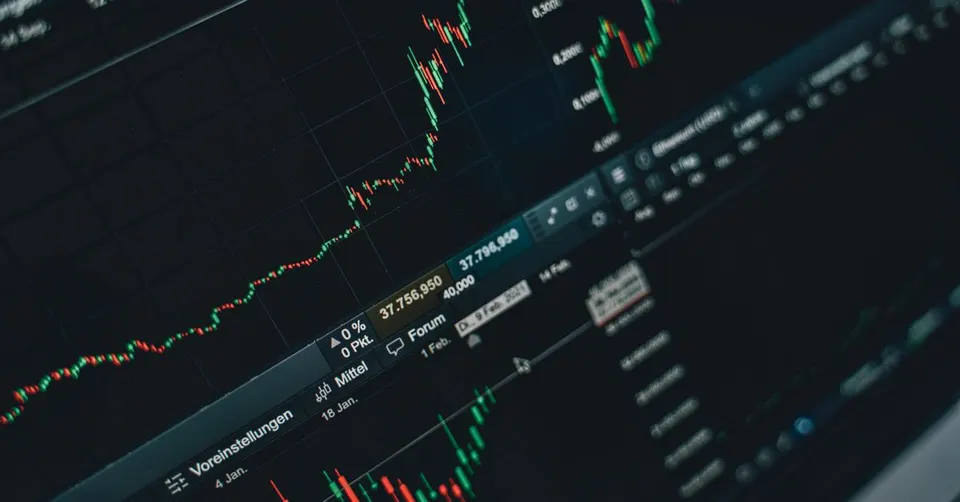
Crypto Under Pressure: From Code Bugs to Corporate Strains
The cryptocurrency market faced a fresh wave of volatility this hour as Bitcoin slipped to $61,816. The primary catalyst appears to be a major security revelation regarding Zcash, where a four-year-old bug was finally disclosed, causing the privacy coin to plummet 40%. This has reignited fears about the underlying code integrity of even established blockchain projects. Simultaneously, corporate crypto treasuries are feeling the heat; Forward Industries reportedly moved over $31 million in SOL to exchanges after facing massive paper losses on their Solana positions.
For the Iranian crypto community, these developments serve as a reminder of the inherent risks in digital assets beyond simple price action. While Tether (USDT) remains a popular stablecoin hedge in Tehran, trading at 174,399 Toman, the broader market's instability makes it a difficult time for those looking for a safe haven. The combination of technical vulnerabilities in protocols and the liquidation of large corporate holdings suggests that the current $61,000 level for Bitcoin is a critical support zone that, if broken, could lead to a much deeper correction across the entire digital asset ecosystem.
Frequently Asked Questions
Why is the Iran-Tajikistan security meeting significant for the economy?
How can record-breaking stock markets cause inflation for ordinary people?
What caused the recent dip in Bitcoin and Zcash?
Understanding the Wealth Effect and its Link to Inflation
The headline's mention of a "Wealth Boom Paradox" alongside "Global Inflation Still Bites" points to a crucial economic concept: the Wealth Effect. At its core, the Wealth Effect describes how changes in the perceived value of a household's assets—such as stocks, bonds, and real estate—can influence their consumer spending habits. When people feel wealthier due to rising asset prices, they tend to increase their consumption, even if their actual income hasn't changed. This psychological and financial phenomenon suggests that a booming stock market or a surge in property values can lead individuals to feel more secure and confident about their financial future, prompting them to spend more freely.
The mechanism behind the Wealth Effect is straightforward: as asset values climb, individuals perceive their net worth to be higher. This increased perceived wealth can encourage spending in several ways. Consumers might feel more comfortable drawing down savings, taking on new debt, or simply having a greater psychological propensity to consume because they feel richer. For instance, a homeowner seeing their property value rise might decide to renovate their home, or a stock market investor might feel confident enough to purchase a new car. This aggregate increase in consumer demand is a significant driver of economic activity.
However, a strong Wealth Effect isn't always a purely positive development, especially when linked to inflation. When widespread asset appreciation leads to a significant increase in consumer spending across an economy, it can push aggregate demand beyond the economy's productive capacity. If the supply of goods and services cannot keep pace with this heightened demand, prices will inevitably rise, leading to inflation. This dynamic can create the "Wealth Boom Paradox" mentioned in the headline: while some individuals benefit from increased asset values, the resulting inflationary pressures can erode the purchasing power of everyone, effectively "biting" into the real value of their wealth and income, particularly for those with limited assets.
In a globalized economy, the Wealth Effect can have international ramifications. A wealth boom in one major economy, fueled by rising asset prices, can spill over into global demand for goods and services, contributing to worldwide inflationary pressures. Central banks closely monitor asset prices and consumer sentiment precisely because of the potential for the Wealth Effect to either stimulate economic growth or, if left unchecked, contribute to overheating and persistent inflation. Understanding this interplay is vital for comprehending why periods of apparent prosperity can still be accompanied by the challenging reality of rising costs.
Topics
Related Articles