Fry to Fly: Japan’s Energy Pivot Amid Regional Tensions; SpaceX Opens Shares to the Public
از آشپزخانه تا آسمان: چرخش انرژی ژاپن در سایه جنگ؛ عرضه عمومی سهام اسپیساکس
As the Iran-Lebanon conflict squeezes global energy supplies, Japan turns to recycled cooking oil for jet fuel. Meanwhile, Elon Musk’s SpaceX prepares for a historic retail share offering as geopolitical tensions in Europe and the Middle East keep markets on edge.
At time of publishing
USD
173,700
Toman
Gold 18K
18.78M
Toman / gram
Bitcoin
$62,547
US Dollar
Tether
173,949
Toman
Fry to Fly: Japan’s Green Pivot Under Energy Pressure
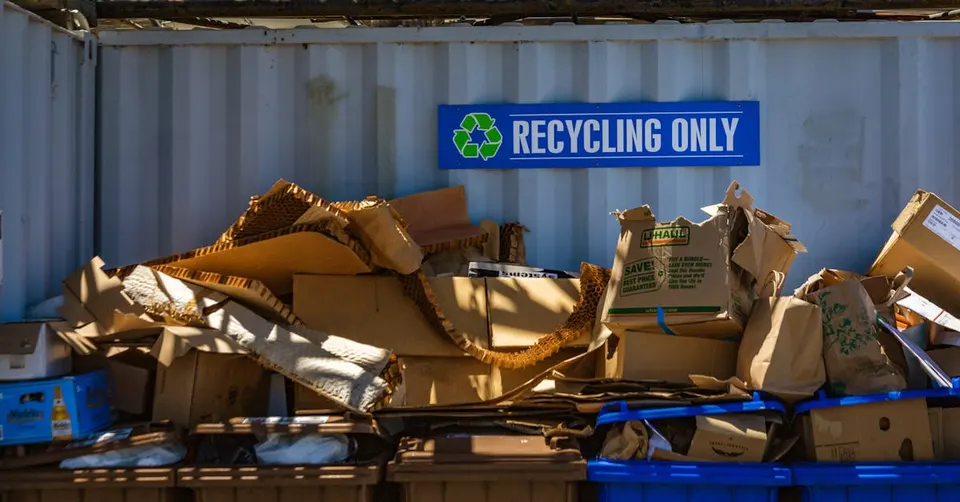
As the ongoing regional conflict involving Iran continues to squeeze global energy supplies, resource-poor nations like Japan are accelerating their transition to alternative fuels. In Tokyo, a public-private initiative dubbed "Fry to Fly" is gaining massive traction, encouraging citizens to donate used cooking oil to be processed into Sustainable Aviation Fuel (SAF). This move is not merely an environmental gesture; it is a calculated response to the rising costs and supply chain vulnerabilities caused by the instability in the Middle East. For Japanese policymakers, securing energy independence through domestic recycling has become a matter of national security as traditional oil routes face unprecedented risks.
This shift highlights a broader global trend: geopolitical volatility is acting as a catalyst for the green energy transition. While the USD/IRR remains stable at 173,700 (0.0% change) this hour, the underlying pressure on energy-dependent economies is palpable. For Iranian observers, this underscores how regional tensions are forcing major trade partners to diversify away from traditional fossil fuels, potentially reshaping long-term demand for crude oil in the Asian market. The success of such programs in Japan could serve as a blueprint for other nations looking to insulate their aviation sectors from the shocks of Middle Eastern geopolitics.
Escalation in Lebanon and the Price of Security
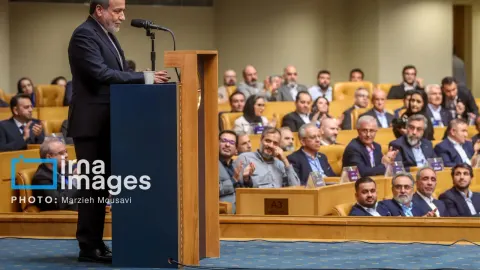
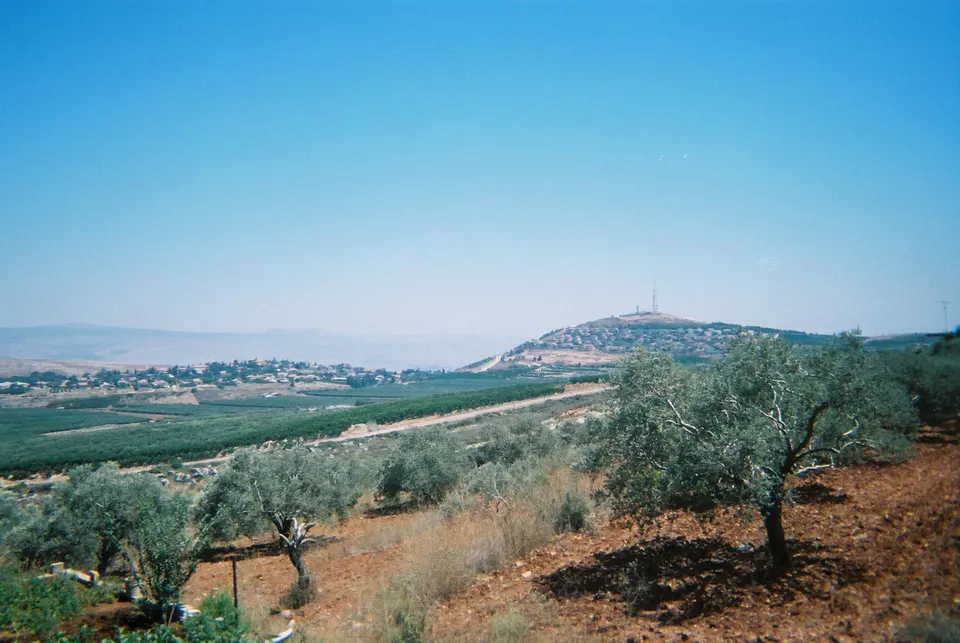
The security situation in the Levant has taken a sharper turn as the Israeli military issued immediate evacuation orders for residents of Sarafand, a coastal town in southern Lebanon. These warnings often precede heavy airstrikes targeting Hezbollah infrastructure, signaling a potential expansion of the conflict. This escalation comes at a time when Iranian Interior Minister Eskandar Momeni emphasized that security is the absolute prerequisite for sustainable development and economic progress. Without stability, investment remains stagnant, a reality reflected in the cautious movement of the Tehran markets today.
Despite the drums of war, the Emami gold coin held steady at 183,500,000 Toman, while 18k gold saw a slight dip from 18,843,436 to 18,779,260 Toman (-0.3%). This minor correction suggests that while the market is priced for high risk, it has not yet entered a state of panic. However, the domestic focus remains on the Leader’s recent decision to pardon or commute the sentences of over 2,000 convicts. Such moves are often interpreted as efforts to bolster internal social cohesion during periods of external pressure, balancing the hardline security stance with domestic administrative adjustments.
SpaceX Goes Public: A New Frontier for Retail Investors
In the world of high finance and technology, Elon Musk’s SpaceX is making waves by preparing to allow individual investors to buy shares starting next week. This is a landmark moment for a company that has largely been the playground of institutional giants and venture capitalists. Valuation experts, including NYU’s Aswath Damodaran, have pegged the company’s worth at a staggering $1.2 trillion. The move to open up shares suggests a need for massive capital injection as SpaceX accelerates its Mars ambitions and expands its Starlink satellite dominance, even as the S&P 500 remains hesitant to grant the company early entry into its prestigious index.
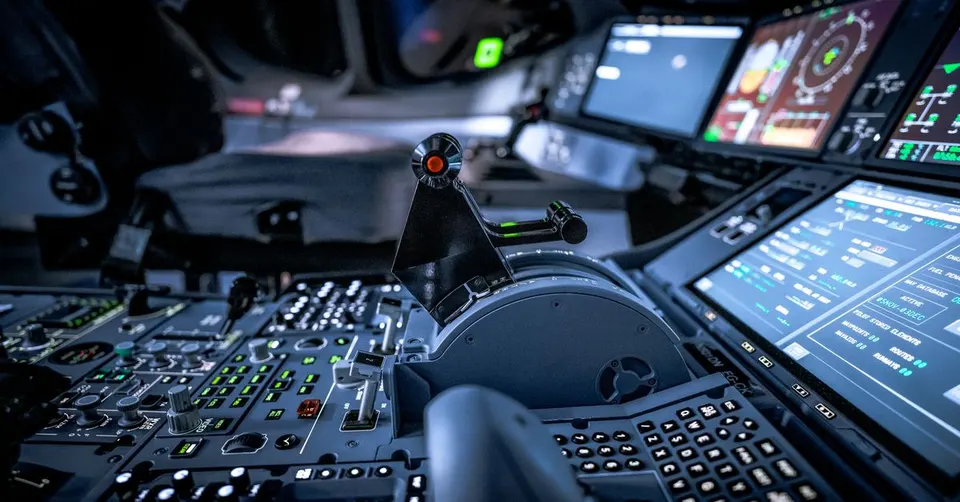
For global markets, the SpaceX offering represents a rare opportunity to invest in "frontier tech" during a period of macroeconomic uncertainty. While traditional sectors are bogged down by inflation and war risks, the private space sector continues to attract speculative capital. For Iranian tech enthusiasts and investors, this story serves as a reminder of the widening gap between localized geopolitical struggles and the global race for technological supremacy. As the UK warns of potential NATO-Russia conflicts by 2030, the ability of private entities like SpaceX to command trillion-dollar valuations suggests that the future of economic power may lie as much in the stars as it does in the oil fields of the Middle East.
Watch
Japan steps up efforts on cooking oil in race for sustainable aviation fuel • FRANCE 24 English
FRANCE 24 English
Frequently Asked Questions
Why is Japan recycling cooking oil for aviation fuel now?
Can retail investors finally buy SpaceX shares?
How has the Tehran gold market reacted to the recent Lebanon escalation?
Topics
Related Articles