New Orleans School Settlement, Albania Resort Outrage, & Crypto's $60K Cliff
مذاکره تسویه در نیواورلئان، خشم از اقامتگاه آلبانی، و سقوط ارزهای دیجیتال به زیر ۶۰ هزار دلار
A seven-figure settlement in a New Orleans child molestation case highlights ongoing legal and ethical concerns, while outrage builds in Albania over a lavish Kushner-Trump resort project. Meanwhile, Bitcoin hovers precariously near the $60,000 mark amid broader market jitters.
At time of publishing
USD
174,200
Toman
Gold 18K
18.25M
Toman / gram
Bitcoin
$60,925
US Dollar
Tether
174,679
Toman
Jesuit High School Agrees to Seven-Figure Settlement in New Orleans
One of New Orleans' most prestigious Catholic institutions, Jesuit High School, has agreed to a substantial seven-figure settlement to resolve a lawsuit alleging child molestation by janitorial staff decades ago. This agreement, reached just before a scheduled June 15 trial, underscores a persistent issue within religious and educational organizations, drawing attention to the long-term impact of such abuses and the legal pathways available to survivors. The case, initiated by a plaintiff who sued under a pseudonym six years prior, highlights the challenges in prosecuting historical abuse claims and the significant financial and reputational stakes involved for institutions when such allegations come to light.
The settlement brings a close to a painful chapter for the plaintiff and the school community, but it also reignites broader conversations about institutional responsibility and the effectiveness of safeguarding measures. For the Iranian context, while seemingly distant, such legal resolutions in Western jurisdictions can subtly influence perceptions of due process and institutional accountability. In a globalized information environment, news of significant legal settlements, particularly those involving large sums, can contribute to a general sense of global financial and legal standards, potentially impacting investor confidence and the perception of risk in international markets. This can indirectly affect currency expectations and investment flows, as a perception of robust legal recourse can bolster trust in economic systems.

---
Outrage Mounts Over Kushner-Trump Resort in Albania
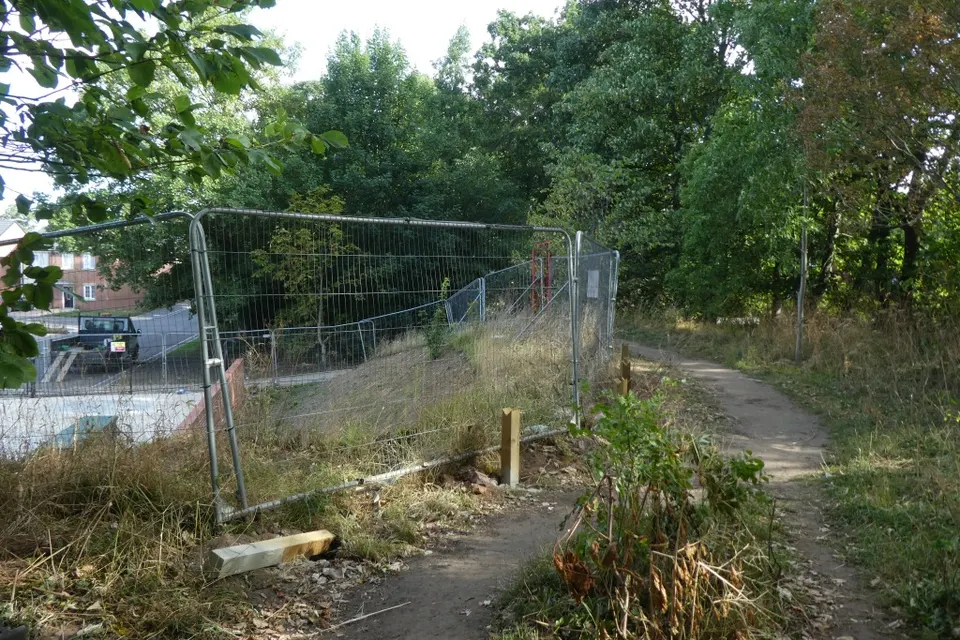
Environmental activists and residents in Albania are expressing fierce opposition to a $1.6 billion luxury resort project backed by Jared Kushner, Donald Trump's son-in-law. The development, slated for a sensitive coastal area known for its rich biodiversity, including protected bird species like flamingos and the Dalmatian pelican, has sparked protests and widespread condemnation. The construction of a concrete fence and barbed wire around the site has amplified concerns over environmental degradation and a perceived lack of transparency in the deal's approval process. This project taps into a global unease about large-scale luxury developments impacting ecologically vital areas and raises questions about the influence of foreign investment and political connections.
From an Iranian perspective, the controversy surrounding the Albanian resort offers a lens through which to view the complexities of international investment, land use, and potential environmental fallout. While the direct economic impact on Iran is minimal, the narrative of foreign investment, political ties, and environmental concerns resonates. It highlights how global development projects can generate significant local opposition and international scrutiny. Such stories can indirectly influence discussions around development priorities within Iran, potentially reinforcing arguments for sustainable practices and rigorous environmental impact assessments for major projects. Furthermore, the involvement of prominent political figures like Kushner and Trump can draw attention to the intersection of real estate development and geopolitical influence, a theme that often surfaces in discussions about international economic relations.
---
Bitcoin Nears $60,000 as Crypto Markets Face Headwinds
Bitcoin has dipped precariously close to the $60,000 mark, continuing a downward trend that has seen major cryptocurrencies experience significant price drops. This decline is occurring amid a broader risk-off sentiment in financial markets, exacerbated by factors such as strong U.S. jobs data and lingering concerns over vulnerabilities like the Zcash crash. Market analysts are pointing to potential 'seller exhaustion,' suggesting that while downward pressure persists, the market may be approaching a point of stabilization. However, the recent volatility, including a more than 50% drop from its peak, has shaken confidence, particularly as regulatory discussions in the U.S. House of Representatives weigh on the sector.
The implications for the Iranian market are multifaceted. The drop in Bitcoin's price, alongside a broader crypto downturn, can influence the Toman's parallel market exchange rate, as speculative capital often flows between these assets. A weaker Bitcoin can sometimes lead to increased demand for the U.S. dollar in the unofficial Iranian market, as investors seek more stable, albeit still volatile, safe-haven assets. The ongoing regulatory discussions in the U.S. also add an element of uncertainty that can ripple through global markets, affecting risk appetite for emerging markets and assets perceived as higher risk. For individuals holding or considering cryptocurrencies, this downturn underscores the inherent volatility and the need for cautious investment strategies, especially in economies where alternative financial tools are sought.

Frequently Asked Questions
What is the significance of the New Orleans settlement for Iran?
How does the Albania resort controversy relate to Iran?
Why is Bitcoin falling, and what's the impact on the Iranian market?
What are the key price movements in the Iranian market today?
Understanding Environmental Impact Assessments (EIAs)
Environmental Impact Assessments (EIAs) are a cornerstone of modern environmental governance, serving as a critical tool to ensure that development projects are sustainable and do not cause undue harm to the environment or human well-being. At their core, EIAs are systematic processes designed to identify, predict, evaluate, and mitigate the environmental, social, and health impacts of a proposed project before it is approved and implemented. This proactive approach allows decision-makers to integrate environmental considerations into project planning from the earliest stages, rather than addressing problems after they arise.
The typical EIA process involves several key stages. It begins with 'screening' to determine if an EIA is required, followed by 'scoping' to identify the key issues and impacts to be studied. The 'impact analysis' stage then assesses the potential effects, leading to the development of 'mitigation measures' to reduce or offset negative impacts. A comprehensive report is then prepared, which undergoes 'review' by authorities and often public consultation. Finally, a 'decision' is made, and the project's environmental performance is 'monitored' during its implementation and operation. This structured methodology aims to provide a clear picture of a project's potential footprint.
The significance of EIAs lies in their ability to foster informed decision-making, prevent irreversible environmental damage, and promote transparency and public participation. By involving stakeholders, including local communities, environmental groups, and experts, EIAs aim to ensure that a broad range of perspectives is considered. They serve as a vital mechanism for balancing economic development goals with environmental protection, ensuring that growth does not come at an unacceptable cost to natural resources or community health.
Despite their crucial role, EIAs are not without their controversies. As seen in the context of the proposed Albania resort, where environmental concerns clashed with development interests, EIAs can become points of contention. Challenges often arise from political pressures, the influence of powerful developers, incomplete or biased data, and difficulties in enforcing recommended mitigation measures. When these processes are perceived as compromised or insufficient, they can lead to public "outrage" and accusations that environmental safeguards are being bypassed for economic gain, highlighting the ongoing tension between development aspirations and the imperative of environmental stewardship.
Topics
Related Articles