US Deportation Lawsuit, SPR Refill, and S&P 500 Shakeup Dominate News
شکایت اخراج آمریکا، پر شدن ذخایر نفتی و تغییرات S&P 500 در صدر اخبار
A lawsuit challenging US deportation practices to third countries, the surprising refill of the Strategic Petroleum Reserve, and an impending S&P 500 index rebalancing are the top stories. Markets are also reacting to a potential US political shakeup and mixed signals on AI's job impact.
At time of publishing
USD
174,300
Toman
Gold 18K
18.33M
Toman / gram
Bitcoin
$60,266
US Dollar
Tether
174,511
Toman
Lawsuit Challenges US Deportation Policy to Third Countries
A significant legal challenge has been mounted against the United States' practice of deporting individuals to third countries, with a complaint filed with the African Commission on Human and Peoples' Rights. This lawsuit targets the controversial expulsion policy, which has seen migrants sent to nations they have no prior connection to. The case highlights concerns over human rights and due process, as individuals are often forced into unfamiliar and potentially unsafe environments without adequate consideration of their circumstances or origin.
This development is particularly relevant for global perceptions of US immigration policy and could have ripple effects on international relations and asylum processes. For Iran, such legal battles underscore the complexities of international migration and the potential for shifting global norms on human rights. While not directly impacting Iranian currency or markets today, it contributes to a broader discourse on sovereignty, humanitarian concerns, and the extraterritorial application of domestic policies, which can indirectly influence investor confidence and geopolitical risk assessments in the long term.

---
Strategic Petroleum Reserve Sees Unexpected Refill Amid Geopolitical Tensions
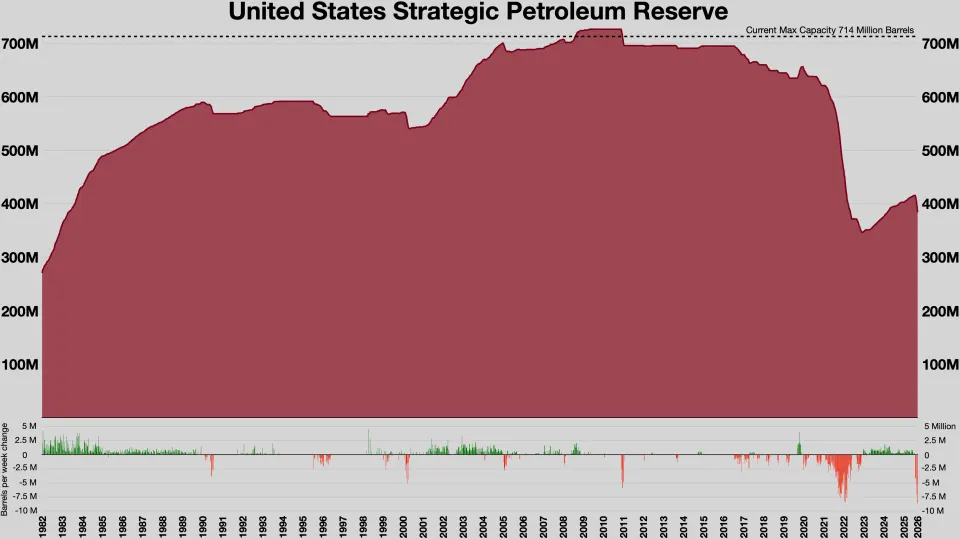
The US Strategic Petroleum Reserve (SPR) is set to receive an unexpected boost, with borrowers returning approximately 40 million more barrels than initially anticipated. Energy Secretary Chris Wright announced that companies which borrowed crude from the SPR during the recent conflict period will repay their loans with premiums. This situation contrasts with the common narrative of SPR drawdowns and emergency sales, suggesting a surprising financial upside for the government's emergency oil stockpile.
This development is noteworthy for several reasons. Firstly, it indicates a robust demand for oil and a willingness of companies to pay a premium to secure supply, even from reserves. Secondly, it presents a positive financial outcome for the US government, potentially bolstering its energy security resources. For the global energy market and its impact on Iran, this means that while the SPR was utilized, its capacity is being replenished, which could influence future supply dynamics and price stability. It also offers a subtle signal about the perceived risks in the oil market, suggesting that participants are willing to lock in supply even at a premium.
---
S&P 500 Set for Quarterly Rebalancing, Marvell and Reddit Potential Additions
The S&P 500 index is poised for its regular quarterly rebalancing, a process that occurs hours from now and could see new companies added to the benchmark. MarketWatch reports that Marvell Technology, social media platform Reddit, and a mortgage-related entity are among the potential candidates to be included. Such changes are driven by market capitalization and other criteria, aiming to ensure the index accurately reflects the performance of the largest US publicly traded companies.
This rebalancing is significant because it affects the flow of investment capital. Index funds and exchange-traded funds (ETFs) that track the S&P 500 must adjust their holdings to mirror the index's composition. Consequently, companies added to the index typically see increased demand for their shares as these funds buy them, while companies removed may experience selling pressure. For investors, understanding these shifts is crucial for anticipating market movements and potential opportunities. The inclusion of tech-related firms like Marvell and Reddit could signal ongoing investor interest in these sectors, even amidst broader economic uncertainties, impacting overall market sentiment and the performance of related stocks.
Frequently Asked Questions
What is the main legal challenge against US deportation practices?
Why is the refill of the US Strategic Petroleum Reserve significant?
Which stocks might be added to the S&P 500 index?
How does an S&P 500 rebalancing affect the market?
What is the broader implication of the deportation lawsuit for global policy?
Strategic Petroleum Reserve: How the U.S. Uses Its Emergency Oil Stockpile
The Strategic Petroleum Reserve (SPR) is the world’s largest emergency stockpile of crude oil, housed in a network of underground caverns along the Gulf Coast. Established in 1975 after the 1973 oil embargo, its primary purpose is to provide a cushion against severe supply disruptions – for example, a sudden shutdown of a major pipeline or a geopolitical crisis that blocks imports. When the Department of Energy (DOE) decides to draw down the reserve, it can release up to 5 million barrels per day, enough to temporarily lower gasoline prices and give the market time to rebalance.
Refilling the SPR, as mentioned in recent news, is a deliberate policy choice. After a period of draws, the DOE may purchase crude on the open market to replenish the stock. This activity can affect oil prices: buying large volumes tends to push prices up, while releasing oil can have the opposite effect. The decision to refill often reflects broader energy security goals, such as reducing dependence on foreign oil, and can be influenced by geopolitical events – for instance, tensions in the Middle East or sanctions on major producers.
The SPR also plays a role in U.S. monetary and fiscal policy. By stabilizing oil prices, it indirectly supports inflation targets and consumer confidence. Moreover, the reserve is an asset on the government’s balance sheet; its size and composition are periodically reviewed by Congress, and any major drawdown or refill may require legislative approval or at least notification. Understanding the SPR helps explain why headlines about “SPR refill” can move markets and why policymakers treat it as a strategic lever rather than just a warehouse of oil.
For investors, the SPR’s actions can intersect with equity markets. A sudden draw can lower transportation costs for companies, potentially boosting sectors like airlines and trucking, while a refill can signal higher future fuel costs, influencing sectors such as consumer discretionary and automotive. Hence, the SPR is a key piece of the broader geopolitical‑economic puzzle that links oil markets, inflation, and stock performance.
Key Takeaway: The Strategic Petroleum Reserve is more than a massive underground tank; it is a flexible policy tool that the U.S. government uses to manage energy security, influence oil prices, and indirectly affect the broader economy and financial markets.
Topics
Related Articles