UK Inflation Hits 3.5% as Middle East Conflict Drives Oil Costs; El-Sayed Challenges US Islamophobia
جهش تورم در بریتانیا تحت تأثیر بحران خاورمیانه؛ پایداری دلار در کانال ۲۶۵ هزار تومان
Global energy volatility has pushed UK inflation to a higher-than-expected 3.5%, while oil shipping rates surge to $20 per barrel. Meanwhile, Michigan Senate candidate Abdul El-Sayed confronts a new wave of Islamophobia in US politics, and Iran focuses on regional trade ties with Uzbekistan to bypass Western pressure.
At time of publishing
USD
265,800
Toman
Gold 18K
26.41M
Toman / gram
Bitcoin
$83,208
US Dollar
Tether
264,245
Toman
The Energy-Inflation Loop: UK Markets Under Pressure
The global economic landscape shifted significantly this Wednesday as the United Kingdom reported a sharper-than-anticipated rise in inflation, hitting 3.5% for the year to September. This increase, up from 3.1% in August, has been primarily attributed to the ongoing volatility in the Middle East, which has driven fuel prices to record levels. Economists and policymakers are now bracing for the possibility of inflation breaching the 4% mark by early next year. For the British public, this means higher costs at the pump and a tightening squeeze on disposable income, directly complicating the upcoming budget presentation by Chancellor John Healey.
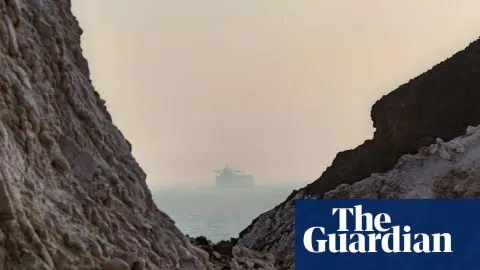
The surge in consumer prices is not just a localized UK issue; it reflects a broader crisis in global logistics. Goldman Sachs has warned that oil tanker freight rates have skyrocketed from $3 per barrel last year to $20 per barrel today. This nearly seven-fold increase is a direct consequence of the security crisis in the Persian Gulf and the Strait of Hormuz, which has forced shipping companies to take longer, more expensive routes. As transport costs are baked into the final price of almost every consumer good, the inflationary pressure seen in London is likely to echo across other major economies, including Iran, where the cost of imported components and logistics remains a primary driver of domestic price hikes.
US Politics and the Struggle Against Islamophobia
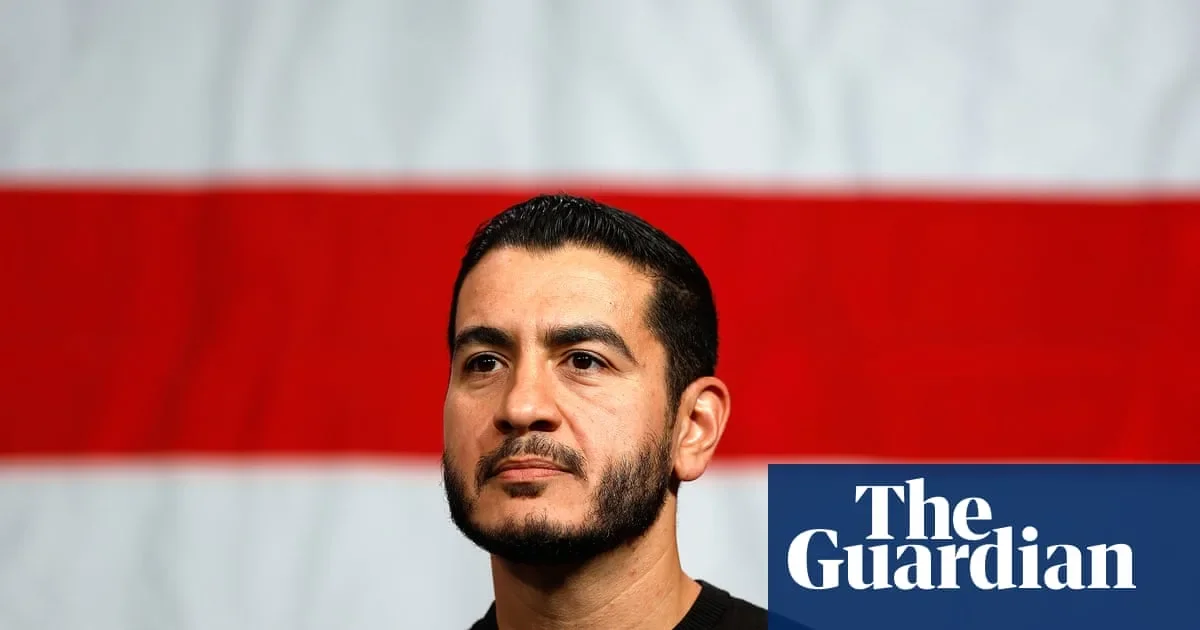
In the United States, the political climate is reaching a boiling point as Michigan Senate hopeful Abdul El-Sayed faces what researchers describe as the most intense wave of Islamophobic attacks since the aftermath of 9/11. El-Sayed has taken a defiant stance, refusing to simply defend his faith or his positions on Israel and the Muslim Brotherhood. Instead, he has begun challenging the very premise of these inquiries, forcing critics to explain why his loyalties are being questioned in ways that other candidates' are not. This confrontation highlights a deep-seated tension in American domestic policy that often dictates the country's broader geopolitical maneuvers in the Middle East.

This domestic friction in the US is more than just a cultural story; it has direct implications for international diplomacy. As candidates like El-Sayed fight for a platform that includes more nuanced views on Middle Eastern relations, the outcome of such political battles could shift the future of US sanctions policy and diplomatic engagement. For Iranian observers, the degree of anti-Muslim rhetoric in US elections often serves as a barometer for how hawkish or conciliatory the next administration might be. The current escalation suggests a highly polarized environment where foreign policy remains a weaponized tool for domestic gain.
Iran’s Regional Pivot and Market Resilience
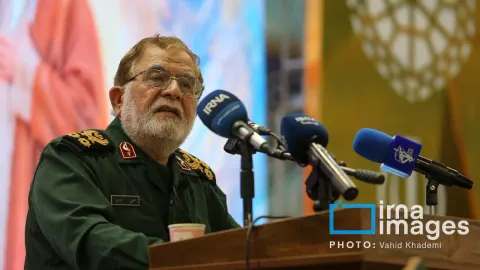
Despite the external pressures and the rhetoric from Washington, the Iranian government is doubling down on its strategy of regional integration. In a significant move to diversify trade partners, the Governor of Mazandaran Province announced today that the region is fully prepared to expand technological and economic ties with Uzbekistan. This focus on Central Asia is part of a broader "Look to the East" policy designed to mitigate the impact of Western sanctions by building robust corridors for trade and technical expertise that do not rely on European or American financial systems. President Masoud Pezeshkian reinforced this stance today, stating that while Iran does not seek war, it will not yield to "bullying" or coercion from the United States.
On the domestic front, the currency and gold markets have shown moderate volatility in the last 24 hours. The USD sell rate in Tehran moved from 263,700 to 265,800 Toman, marking a 0.8% increase. This upward movement reflects the global rise in energy costs and the resulting uncertainty in international trade. Similarly, the Emami gold coin rose by 0.9%, reaching 269,000,000 Toman. While gold prices per gram saw a slight dip of 0.2%, the overall trend remains one of cautious hedging as investors look toward hard assets to protect against the inflationary signals coming from both domestic and global markets. The resilience of the 265,000 Toman level for the Dollar will be a key psychological marker for traders in the coming days.
Watch
Mike Rogers and Abdul El-Sayed offer competing economic visions in Michigan
Associated Press
Frequently Asked Questions
Why did UK inflation rise more than expected?
How much have oil shipping rates increased?
What is the latest USD/IRR exchange rate in Tehran?
Who is Abdul El-Sayed and why is his campaign significant?
Understanding Cost-Push Inflation Amid Geopolitical Shocks
When news headlines link geopolitical conflicts to rising oil prices and subsequent inflation, they are often illustrating a key economic concept: Cost-Push Inflation. This type of inflation occurs when the overall price level increases due to increases in the cost of wages and raw materials. Unlike demand-pull inflation, which is driven by excessive consumer demand, cost-push inflation originates from the supply side, making it more challenging for central banks to manage without risking economic slowdown.
Oil serves as a prime example of a raw material whose price fluctuations can trigger cost-push inflation. As a fundamental input for transportation, manufacturing, and energy production across virtually all sectors, a significant rise in oil prices has a cascading effect throughout the economy. Geopolitical events, such as conflicts in major oil-producing regions like the Middle East, can disrupt supply chains, increase the perceived risk of future supply disruptions, or directly impact shipping rates, all of which drive up the cost of crude oil.
When businesses face higher costs for essential inputs like oil, they are compelled to pass these increased expenses onto consumers in the form of higher prices for goods and services. This leads to a general increase in the price level, eroding the purchasing power of money and making everyday items more expensive. The headline's mention of UK inflation hitting 3.5% as Middle East conflict drives oil costs is a textbook manifestation of this phenomenon.
Central banks typically respond to inflation by raising interest rates to cool demand. However, in the case of cost-push inflation, simply reducing demand may not fully address the root cause, which lies in supply-side disruptions. Policymakers must carefully balance efforts to curb inflation with the risk of stifling economic growth, especially when the underlying supply shocks are external and beyond their direct control. Understanding cost-push inflation is crucial for comprehending how global events can directly impact your wallet.