Gulf Escalation: US-Iran Missile Exchange Rocks Regional Security as Global Markets Face Historic $1.8 Trillion Wipeout
تشدید درگیری در خلیج فارس: تبادل موشکی ایران و آمریکا همزمان با سقوط تاریخی ۱.۸ تریلیون دلاری بازارهای جهانی
Regional tensions have reached a boiling point as the IRGC targets US bases in Kuwait and Bahrain following American strikes, while Wall Street records its largest Nasdaq point drop in history.
At time of publishing
USD
174,300
Toman
Gold 18K
18.33M
Toman / gram
Bitcoin
$61,123
US Dollar
Tether
174,999
Toman
Escalation in the Gulf: Ballistic Missiles and the Test of Ceasefire
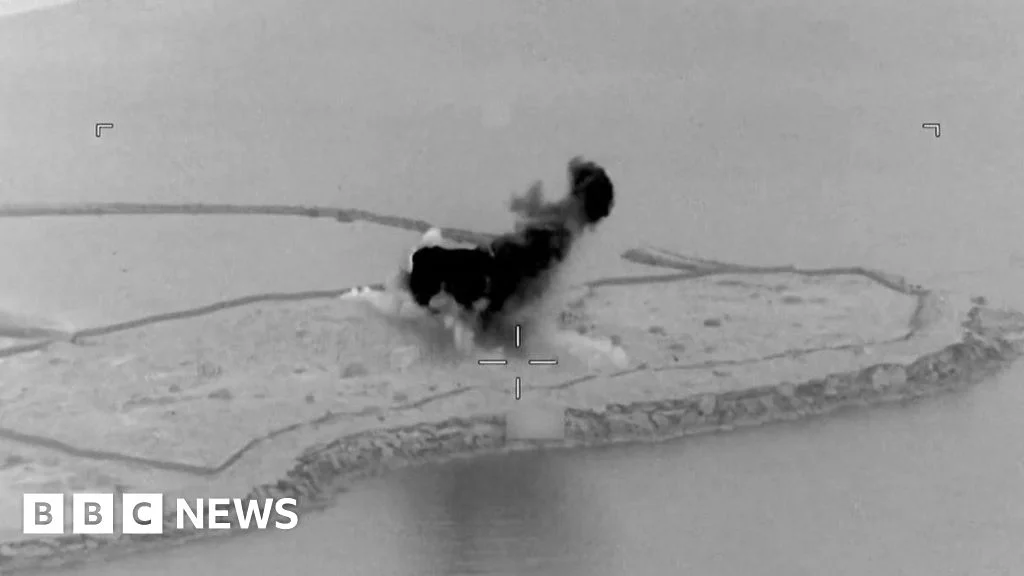
The geopolitical landscape of the Middle East has shifted dramatically this Saturday morning as the Islamic Revolution Guards Corps (IRGC) launched ballistic missile strikes against key US military installations. According to official reports, the targets included two US airbases in Kuwait and critical facilities belonging to the US Navy’s Fifth Fleet in Bahrain. This aggressive retaliation follows earlier US military actions that targeted Iranian drone sites and radar installations. The exchange marks the most significant direct military confrontation between the two powers in recent months, effectively shattering the fragile ceasefire that had been in place. For Iranian citizens and market observers, this escalation introduces a high degree of uncertainty, as the risk of a full-scale maritime conflict in the Persian Gulf looms larger than ever.
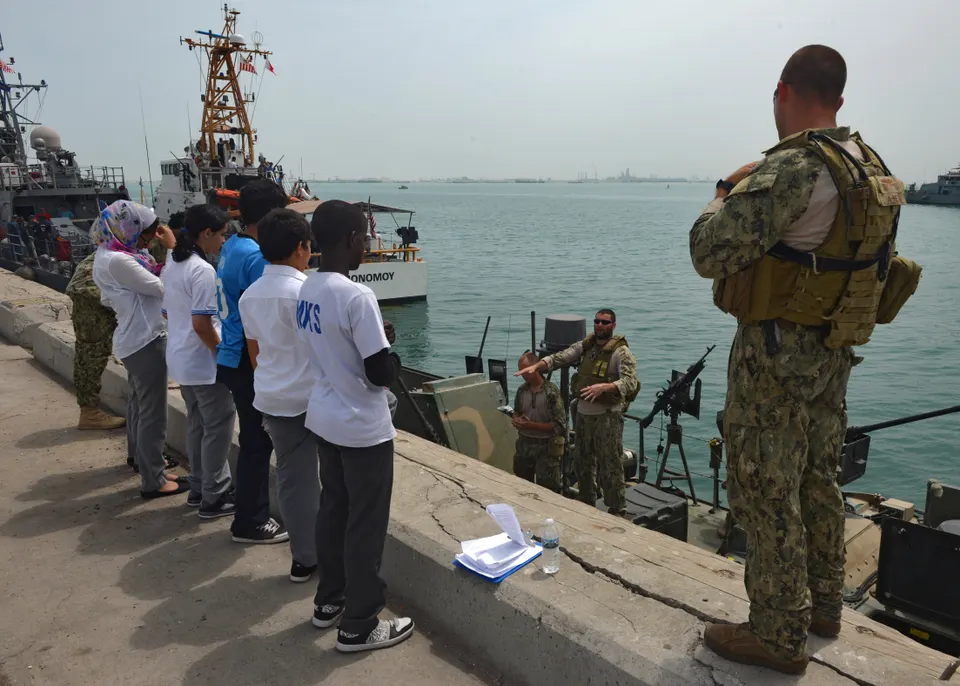
Why this matters now is the potential for a total disruption of energy corridors. While the USD/IRR exchange rate has remained remarkably stable at 174,300 Tomans over the last 24 hours, the "war premium" is likely to manifest in the coming days if shipping lanes are compromised. The Fifth Fleet in Bahrain is the cornerstone of American naval power in the region; targeting its facilities is a direct challenge to the US-led security architecture. This isn't just a skirmish; it is a strategic message from Tehran that it is willing to utilize its ballistic missile inventory to deter American presence, even at the risk of further escalation. Investors should watch for sudden spikes in Tether (USDT) prices, which currently sit at 174,999 Tomans, as a leading indicator of domestic panic.
Global Financial Carnage: Nasdaq’s Record Drop and the Crypto "Bloodletting"
While the Gulf is on fire, the global financial markets are experiencing a different kind of conflagration. Friday’s trading session concluded with a record-shattering 1,121-point drop for the Nasdaq Composite, the largest single-day point decline in its history. This massive sell-off wiped out approximately $1.8 trillion from the S&P 500, driven by a sudden realization that the AI-driven rally may have overextended itself. Investors are increasingly concerned that the billions being poured into artificial intelligence by firms like Meta and Google may not yield immediate returns, leading to a massive rotation out of Big Tech. This "attention deficit" in the markets is directly impacting the crypto sector, which is being drained of capital as momentum traders flee to safety or pivot toward AI-related stocks.

In the cryptocurrency market, the situation is increasingly dire for bulls. Bitcoin (BTC) has slid to $61,123, having briefly dipped below the psychological $60,000 support level earlier this morning. Ethereum (ETH) has fared even worse, crashing to a 13-month low of $1,577.42 following reports of a vulnerability in the Zcash protocol and general market contagion. Analysts point out that the "AI trade" is effectively sucking the blood out of the crypto ecosystem. With over $2.6 billion in short leverage currently hanging over the market, a further slide could trigger a massive liquidation event. For Iranian crypto holders, the double-whammy of a global crash and regional instability creates a complex risk environment where holding stablecoins like USDT may provide a temporary hedge against volatility.
Strategic Diplomacy Amidst Conflict: Lebanon and the Kyrgyzstan Pact
Despite the military escalation, Tehran is continuing its diplomatic maneuvers on multiple fronts. Foreign Minister Abbas Araghchi recently sent a pointed message to Lebanese President Joseph Aoun, advising him to safeguard Lebanon from its "real enemy." This rhetoric underscores Iran's ongoing commitment to its regional alliances and its desire to frame the current conflict as a defensive necessity against external aggression. By engaging with Beirut, Tehran is attempting to consolidate its influence in the Levant, even as it prepares for potential further strikes in the Gulf. This diplomatic channel is crucial for maintaining the "Axis of Resistance" during times of direct kinetic confrontation with US forces.
Simultaneously, the Iranian Interior Ministry is looking to secure its eastern borders. Minister Eskandar Momeni announced a new cooperation agreement with Kyrgyzstan aimed at boosting border security and anti-drug operations. This pact serves as a strategic roadmap for future collaboration in combating organized crime and narcotics trafficking, which remain significant internal security challenges for Iran. By securing the eastern flank, Tehran ensures that it is not distracted by peripheral security issues while it focuses on the high-stakes confrontation in the Persian Gulf. For the average Iranian, these developments signal a government that is attempting to manage multiple crises simultaneously—balancing military deterrence in the south with diplomatic and security stabilization in the east and north.
Frequently Asked Questions
What caused the sudden escalation between the US and Iran in the Gulf?
Why did the Nasdaq experience its largest point drop in history?
How is the crypto market reacting to the geopolitical and financial turmoil?
Systemic Risk and Financial Contagion: Why Geopolitical Shocks Can Wipe Out Trillions
Systemic risk refers to the possibility that a disturbance in a single institution, market, or sector can spread and destabilize the entire financial system. Unlike ordinary market volatility, systemic events are characterized by feedback loops, high inter‑connections, and the potential for a cascade of failures that affect assets far beyond the original trigger. The related concept of financial contagion describes how losses, panic, or liquidity shortages in one market quickly propagate to others, often through shared investors, common funding sources, or correlated asset prices.
There are several transmission channels. First, asset‑price correlations mean that a sharp sell‑off in one market (e.g., U.S. equities) drags down others that move in tandem. Second, high leverage amplifies losses; when margin calls force fire‑sales, prices fall further, creating a vicious circle. Third, investor sentiment can shift abruptly from optimism to fear, prompting a rush to cash that dries up liquidity across asset classes. Finally, cross‑border funding links—such as foreign‑exchange swaps, sovereign bonds, or crypto exchanges—provide a conduit for shocks to travel instantly around the globe.
A real‑world illustration emerged in June 2026 when a missile exchange between the United States and Iran’s IRGC sparked a dramatic market reaction. The Nasdaq Composite slumped to a record low, wiping out over $1 trillion in equity value, while Bitcoin plunged to a 13‑month low and Ethereum fell similarly. The geopolitical flashpoint triggered a classic contagion scenario: investors fled risk, selling stocks, bonds, and digital assets simultaneously, and the sudden withdrawal of capital forced leveraged positions into liquidation, magnifying the price drops. The episode underscores how a single geopolitical event can ignite a synchronized sell‑off across seemingly unrelated markets.
Policymakers try to contain systemic risk through macro‑prudential tools such as higher capital buffers for banks, stress‑testing of financial institutions, and limits on leverage for crypto platforms. Central banks can provide emergency liquidity to calm markets, while regulators monitor cross‑asset exposures to spot emerging contagion pathways. For investors, diversification across uncorrelated assets, maintaining adequate cash cushions, and staying informed about geopolitical developments are practical ways to mitigate the impact of systemic shocks.
Understanding systemic risk and contagion helps explain why headlines about missile exchanges, record market drops, and crypto crashes are not isolated stories but interconnected pieces of a larger financial puzzle. By recognizing the mechanisms that bind markets together, market participants and policymakers can better prepare for the next shock that threatens to erase trillions of dollars in wealth.
Topics
Related Articles