Diplomatic Rift Deepens: Tehran Rebukes Lebanon’s Aoun as Gulf Tensions Threaten Fragile Ceasefire
تنش دیپلماتیک در منطقه؛ واکنش تند تهران به سخنان رئیسجمهور لبنان و زنگ خطر در خلیج فارس
Tehran has issued a sharp rebuke to Lebanese President Joseph Aoun following controversial remarks, while sirens in Bahrain and Kuwait signal a dangerous escalation in the Gulf. As markets digest these geopolitical shocks, the USD/IRR exchange rate has nudged upward to 175,250.
At time of publishing
USD
175,250
Toman
Gold 18K
18.37M
Toman / gram
Bitcoin
$60,596
US Dollar
Tether
175,190
Toman
Tehran’s Sharp Rebuke: A New Crack in the Axis of Resistance?
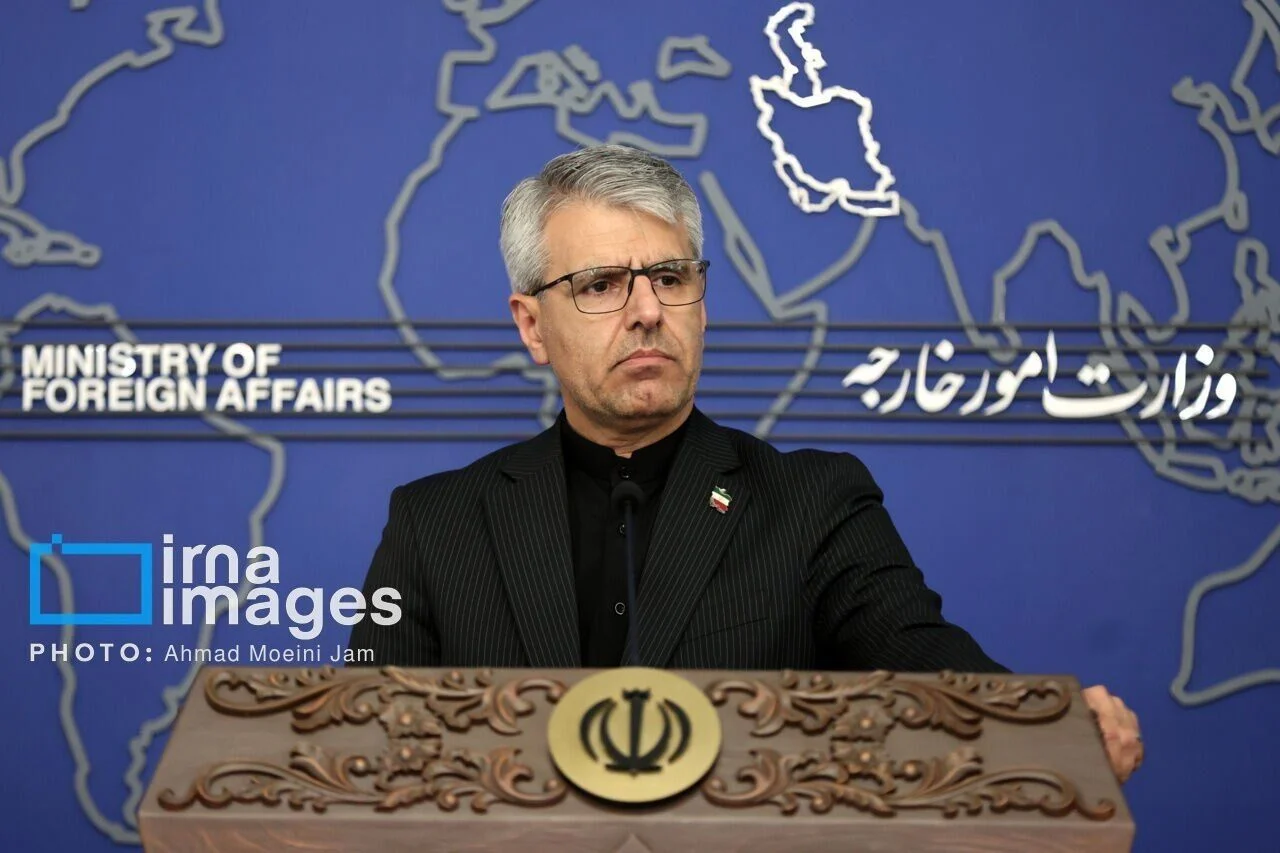
In a move that signals growing diplomatic friction within regional alliances, Iranian Foreign Ministry spokesperson Esmaeil Baqaei has issued a stern response to recent comments made by Lebanese President Joseph Aoun. Baqaei’s statement suggests that Aoun’s rhetoric fails to distinguish between Lebanon’s genuine allies and its adversaries, particularly regarding Iran’s role in the ongoing Lebanese conflict. This public disagreement is not merely a war of words; it reflects a deeper tension over sovereignty and the extent of Iranian influence as Lebanon navigates its most precarious security crisis in decades.
For the Iranian reader, this development is a critical indicator of regional stability. When diplomatic channels between Tehran and Beirut show signs of strain, it often precedes shifts in regional strategy or military posture. The timing is particularly sensitive, as Lebanon is currently caught between an unstable truce with Israel and internal political pressures. If the relationship between the two capitals continues to fray, it could complicate the coordination of the "Axis of Resistance," potentially leading to a more volatile security environment that inevitably spills over into the Iranian domestic economy through increased risk premiums.
Gulf Escalation: Air Raid Sirens and Market Jitters
The fragile ceasefire in the Persian Gulf is facing its most significant test yet as Kuwait and Bahrain issued air raid alerts this Saturday. Following an exchange of fire between U.S. forces and Iranian units, reports indicate that ballistic missiles and drones were launched toward American bases in the region. The Bahraini government confirmed that sirens rang out across the kingdom, instructing citizens to seek immediate shelter. This escalation follows U.S. strikes on Iranian radar sites, creating a dangerous feedback loop that threatens to engulf the world’s most vital oil transit routes.
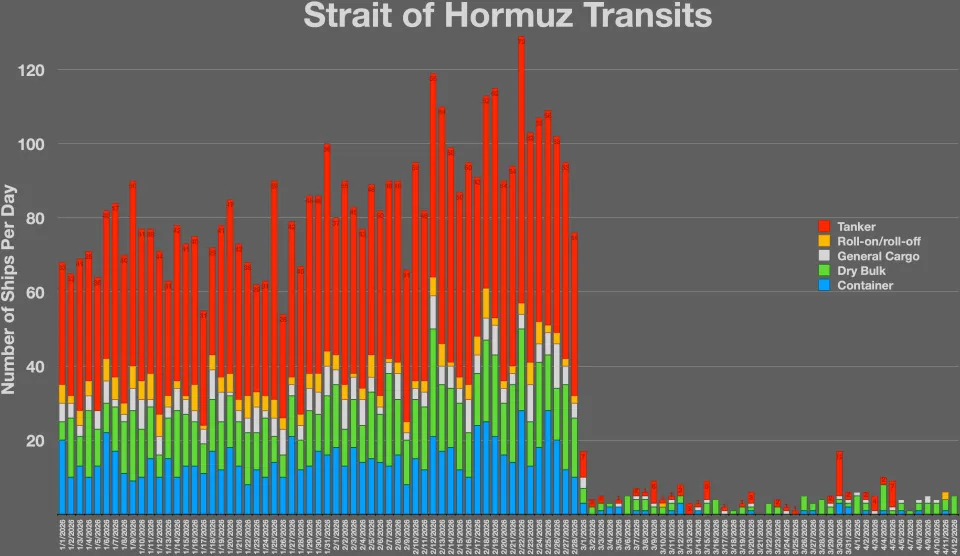
The impact on the currency market has been immediate, though measured. In Tehran, the USD rose from 174,300 to 175,250 Toman (+0.5%), reflecting a cautious climb as traders hedge against further escalation. Interestingly, the Emami gold coin saw a notable drop, falling from 183,500,000 to 181,000,000 Toman (-1.4%). This divergence suggests a complex market reaction where liquidity needs or a correction from previous speculative highs are outweighing the immediate geopolitical fear. However, if the situation in the Gulf moves from localized exchanges to a full-scale blockade of shipping lanes, the inflationary pressure on the Rial could accelerate rapidly.
The Lebanon-Israel Truce on Life Support
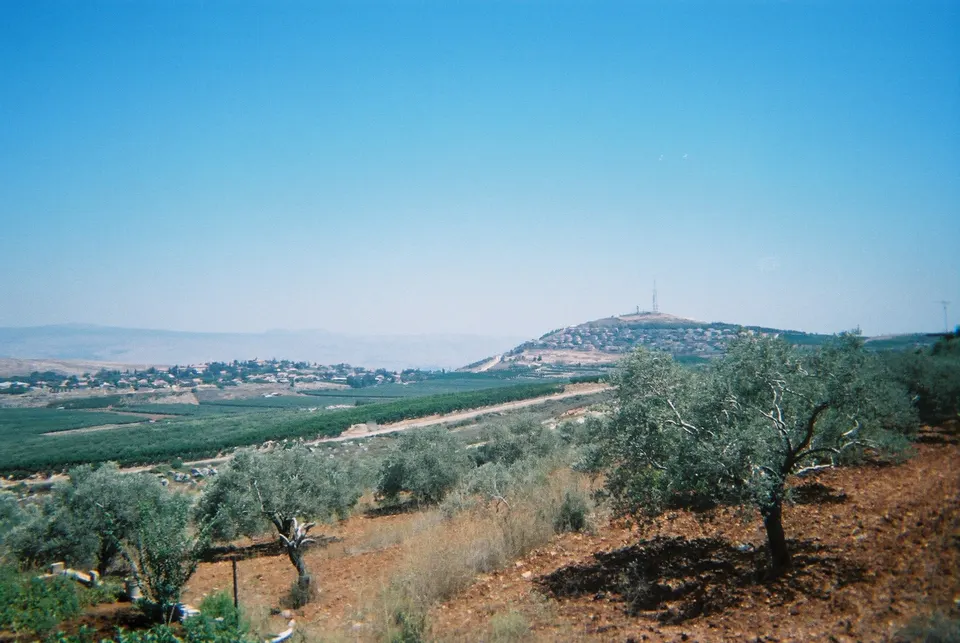
While diplomatic rows brew in the offices of foreign ministries, the reality on the ground in South Lebanon remains lethal. On Saturday, an Israeli strike targeted a military vehicle, resulting in the deaths of several Lebanese soldiers. This incident occurs just days after a conditional truce was brokered via U.S.-led negotiations, highlighting the extreme fragility of the current peace. Beirut’s military has confirmed the casualties, further inflaming public sentiment and making the political survival of the truce increasingly unlikely.
This cycle of violence serves as a stark reminder that the "conditional" nature of regional ceasefires is often a euphemism for a temporary pause in hostilities. For global markets, the persistence of the Lebanon-Israel conflict keeps the "geopolitical risk discount" on the table, preventing a full recovery in risk assets like crypto and tech stocks. As long as Beirut remains a flashpoint, investors will remain wary of the Middle East, viewing every strike as a potential trigger for a wider regional war that could involve direct Iranian participation.
Privacy Coins and the AI Audit Revolution
In the world of technology and digital assets, a significant development is unfolding as security researchers turn to artificial intelligence to audit privacy-centric cryptocurrencies. Taylor Hornby, the researcher famous for using AI to uncover the Orchard flaw in Zcash—which caused a 38% price collapse—has announced that Monero is next on his list. This move marks a new era in blockchain security where AI is no longer just a buzzword but a powerful tool for finding deep-seated cryptographic vulnerabilities that have eluded human eyes for years.

This audit trend is a double-edged sword for the crypto market. While finding and fixing bugs increases long-term robustness, the immediate discovery of flaws can lead to massive liquidations. With Bitcoin currently hovering around $60,596, the market is already on edge. If a major vulnerability is found in Monero or other privacy coins, it could trigger a wider sell-off in the altcoin sector. For Iranian users who often rely on privacy-focused assets for cross-border transactions, these audits are essential to follow; a technical failure in these protocols could mean more than just a price drop—it could mean a loss of financial anonymity and security.
Frequently Asked Questions
Why did the Iranian Foreign Ministry react to President Joseph Aoun?
What is causing the air raid sirens in Bahrain and Kuwait?
Why is the price of Emami coin falling while the USD is rising?
How is AI impacting the security of privacy coins like Monero?
Understanding the Strait of Hormuz: A Global Chokepoint
The Strait of Hormuz is one of the world's most critical maritime choke points, a narrow sea passage connecting the Persian Gulf to the Arabian Sea and the Indian Ocean. Measuring only about 21 nautical miles (39 kilometers) wide at its narrowest point, it serves as the sole sea passage for a significant portion of the world's crude oil and liquefied natural gas (LNG) exports. Its strategic location makes it indispensable for global energy markets, with approximately one-fifth of the world's total oil consumption passing through it daily.
Economically, the Strait's importance cannot be overstated. Any disruption, perceived or real, due to regional tensions or military maneuvers, can send shockwaves through international oil prices, impacting economies worldwide. Nations heavily reliant on oil imports, as well as oil-producing countries in the Persian Gulf, are acutely sensitive to the security of this waterway. The flow of oil through Hormuz directly influences global supply and demand dynamics, affecting everything from gasoline prices at the pump to the fiscal stability of oil-exporting nations like Iran.
Geopolitically, the Strait of Hormuz is a frequent flashpoint, especially given its proximity to Iran, which borders its northern coast. Iran has, at various times, threatened to close the Strait in response to international sanctions or military threats, raising concerns about freedom of navigation and global energy security. The ongoing diplomatic rifts and regional tensions, such as those alluded to in the headline, often heighten the risk of confrontation in this vital waterway, making it a barometer for stability in the broader Middle East. Understanding the Strait's role is key to grasping the intricate connections between regional politics, global economics, and energy security.
Topics
Related Articles