
Iran Grapples with 'Perilous Peace' Amidst Hyperinflation and Regional Missile Intercepts
بحران «صلح پرمخاطره» در ایران؛ تورم افسارگسیخته و تقابل موشکی در خلیج فارس
Iran faces a 10% economic contraction and chronic blackouts as it transitions toward a fragile peace, while US forces intercept missile attacks in the Gulf. Meanwhile, global chip stocks suffer their worst day in six years, impacting investor sentiment.
At time of publishing
USD
175,100
Toman
Gold 18K
18.35M
Toman / gram
Bitcoin
$61,402
US Dollar
Tether
174,969
Toman
The Fragile State of Iran's 'Perilous Peace'
Iran is currently navigating a treacherous transition from wartime mobilization to a fractious and uncertain peace. According to recent reports from The Guardian, the domestic conditions that previously sparked widespread protests have only deteriorated. The Iranian economy has contracted by an estimated 10%, a staggering figure that reflects the heavy toll of prolonged conflict and international isolation. This economic shrinking is compounded by hyperinflation and chronic power blackouts, which have become a daily reality for citizens and businesses alike, stifling any immediate hopes for a post-war recovery.
The debate within the Iranian leadership is shifting from military strategy to political survival. Rulers are reportedly concerned that the unity forged during the conflict may dissolve into internal dissent as the public demands relief from economic hardship. The government has maintained a strict crackdown on dissent, yet commentators suggest that managing a 'triumphalist' narrative while the population suffers from basic utility failures is a nearly impossible balancing act. For the average Iranian, this means that while the threat of direct bombardment may be receding, the economic war is entering its most painful phase yet, with the USD/IRR moving from 174,300 to 175,100 (+0.5%) in just the last 24 hours.

Regional Escalation: US Intercepts and the Lebanese Front
Despite talks of de-escalation, the regional security landscape remains highly volatile. US Central Command recently reported the interception of seven ballistic missiles fired toward targets in Kuwait and Bahrain. These attacks, attributed to Iranian-aligned groups, highlight the persistent friction in the Persian Gulf even as diplomatic channels remain open. This military activity occurred simultaneously with continued Israeli operations in Lebanon, creating a complex multi-front challenge for regional stability. The interception of these missiles serves as a stark reminder that the 'peace' currently being discussed is heavily armed and easily disrupted.
For markets, this localized conflict maintains a high risk premium on energy and shipping. The geographical proximity of these missile paths to major oil transit routes keeps traders on edge. While the return of over 10,000 Hajj pilgrims from Saudi Arabia offers a brief humanitarian reprieve and a sign of functional regional logistics, the underlying military tensions suggest that the path to true normalization is still blocked by strategic distrust. The divergence in asset prices—where Emami coin dropped from 183,500,000 to 181,500,000 (-1.1%) despite the rise in the dollar—reflects this confused and high-risk environment where traditional correlations are breaking down.
Global Market Meltdown: Chips and the AI Energy Paradox
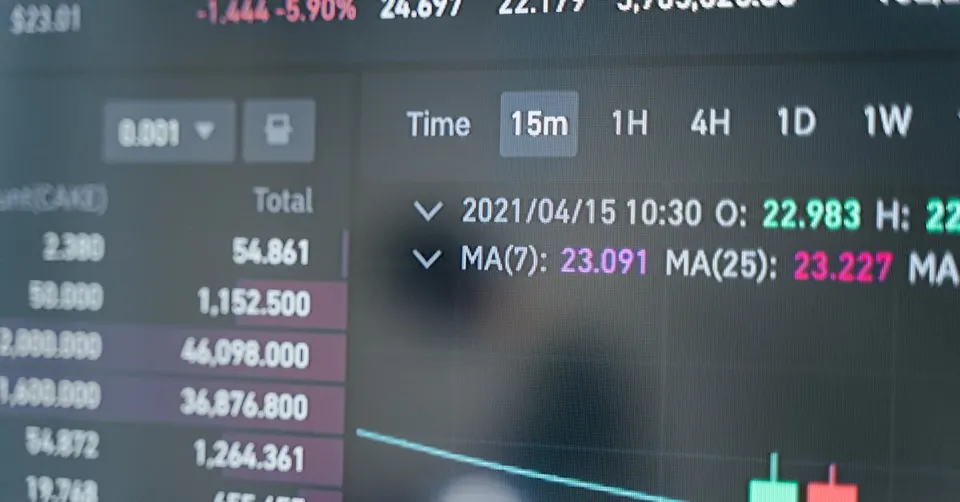
The global technology sector is facing a significant correction, with semiconductor giants like Micron and Marvell leading a tumble that represents the worst single-day performance for the sector in six years. Investors are increasingly cooling on 'momentum' stocks as they weigh the implications of a surprisingly strong US jobs report against the reality of high interest rates. This 'Big Tech' dive has wiped out billions in market capitalization, signaling a potential shift in investor appetite away from the AI-driven frenzy that dominated the first half of the year. The ripple effects are being felt in the crypto space as well, with Bitcoin hovering at $61,402 as liquidity tightens.
Adding to the complexity is the growing debate over AI’s energy consumption. While the AI boom has placed unprecedented pressure on global electric grids—much like the blackouts seen in Iran—new analysis suggests that AI itself might be the only tool capable of saving the energy industry. By optimizing data center efficiency and predicting grid loads with surgical precision, AI could potentially save more energy than it consumes. However, this remains a future prospect, and for now, the 'energy monster' of artificial intelligence is contributing to the very infrastructure anxieties that are rattling markets from Silicon Valley to Tehran.
Frequently Asked Questions
Why is the transition to peace described as 'perilous' for Iran?
What caused the massive drop in global chip stocks?
How is the USD/IRR rate reacting to the current regional tensions?
Understanding Hyperinflation: When Money Loses Its Meaning
Hyperinflation is an extreme and rapid form of inflation where prices of goods and services skyrocket at an uncontrollable pace, often exceeding 50% per month. Unlike regular inflation, which is a gradual increase in prices, hyperinflation represents a complete loss of confidence in a nation's currency. This phenomenon renders money almost worthless, as its purchasing power diminishes dramatically from one day to the next, sometimes even within hours. People rush to spend their earnings immediately on tangible assets or foreign currency, fearing that their money will be worth even less tomorrow.
The primary driver behind hyperinflation is typically a government's inability to finance its spending through taxation or borrowing, leading it to print excessive amounts of money. This flood of new currency into circulation, without a corresponding increase in goods and services, devalues the existing money supply. Political instability, war, and severe economic sanctions can exacerbate this situation, eroding public trust in the government's economic management and accelerating the flight from the local currency. As people lose faith, they demand higher wages to keep up with rising prices, creating a vicious cycle that further fuels inflation.
The consequences of hyperinflation are devastating for individuals and economies alike. Savings are wiped out, making long-term planning impossible and destroying the middle class. Businesses struggle to operate as costs fluctuate wildly, leading to widespread closures and unemployment. Essential services can collapse, and bartering often replaces monetary transactions as people seek stable means of exchange. Historically, countries like Weimar Germany in the 1920s, Zimbabwe in the late 2000s, and Venezuela more recently have experienced the catastrophic effects of hyperinflation, where everyday items could cost billions or trillions of local currency units.
In contexts like Iran, where economic contraction, international sanctions, and regional geopolitical tensions are prevalent, the local currency (IRR) has faced significant pressures, leading to sharp depreciations against the USD and impacting local asset values like the Emami coin. While not always reaching the textbook definition of hyperinflation, these conditions create an environment where high inflation erodes purchasing power, fuels economic uncertainty, and makes daily life incredibly challenging for ordinary citizens. Understanding hyperinflation helps explain the severe economic dislocations seen in such scenarios, where the very fabric of an economy is strained to its limits.
Topics
Related Articles