Iran Strikes Gulf Allies; Ukraine Drones Hit St. Petersburg
ایران به متحدان خلیج فارس حمله کرد؛ پهپادهای اوکراین سن پترزبورگ را هدف قرار دادند
Iran has launched missile and drone attacks on Kuwait and Bahrain following an exchange of fire with the US, escalating regional tensions. Meanwhile, scores of Ukrainian drones targeted St. Petersburg in Russia, an attack Moscow has deemed 'unprecedented.'
At time of publishing
USD
174,400
Toman
Gold 18K
18.22M
Toman / gram
Bitcoin
$60,724
US Dollar
Tether
174,897
Toman
Iran Escalates Regional Tensions with Strikes on Kuwait and Bahrain
In a significant escalation, Iran has reportedly launched ballistic missiles and drones targeting facilities in Kuwait and Bahrain, according to statements from the respective countries' militaries. This action follows a direct exchange of fire between Iranian and US forces in the Gulf region earlier today. Air raid sirens were heard in Bahrain, and citizens were advised to seek safe locations. Kuwait's military confirmed intercepting incoming aerial threats. These strikes represent a dangerous intensification of existing tensions, threatening to shatter the fragile ceasefire that has held in the region.
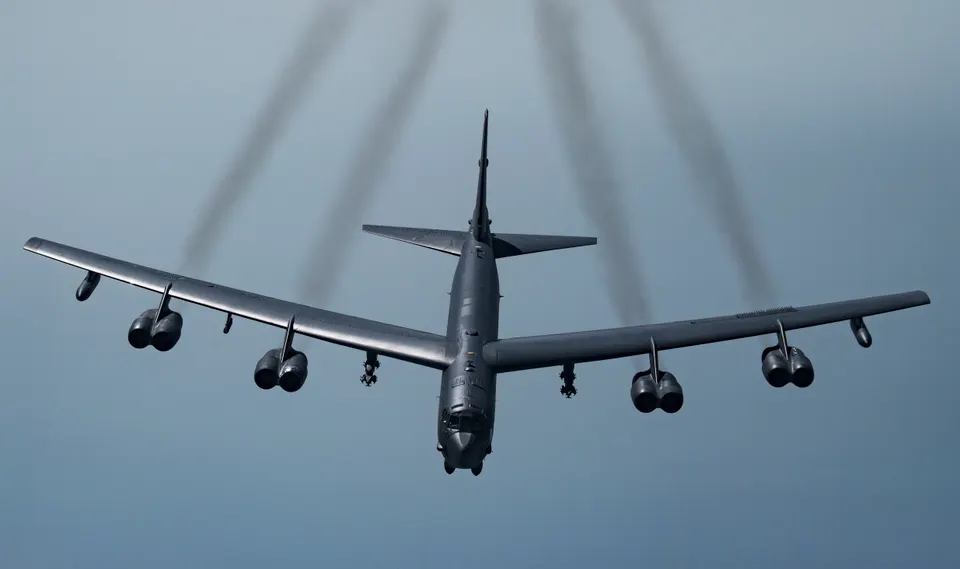
The immediate trigger appears to be the US shooting down Iranian drones and subsequent strikes on Iranian radar sites. The involvement of US allies like Bahrain and Kuwait directly in the crossfire raises serious concerns about a wider regional conflict. For Iran, these actions could be interpreted as a show of force and a response to perceived aggression, aiming to deter further US or allied actions. The implication for regional stability is dire, potentially disrupting vital oil shipping lanes and impacting global energy markets. For Iranian citizens, this means increased anxiety about further sanctions, potential economic repercussions, and a heightened sense of geopolitical instability that could affect currency and trade expectations.
---
Ukraine Launches 'Unprecedented' Drone Swarm on St. Petersburg
Scores of Ukrainian drones descended upon the Russian city of St. Petersburg earlier today in what Russian authorities are calling an 'unprecedented' attack. The regional governor urged residents to stay indoors, marking the first such directive since the conflict began. This concentrated assault on a major Russian city, far from the front lines, signals a potential shift in Ukraine's offensive capabilities and strategy.

The timing and scale of this attack suggest a deliberate effort by Ukraine to inflict damage and disruption deep within Russian territory. St. Petersburg, a key economic and cultural hub, is home to significant industrial and military facilities. The 'unprecedented' nature of the attack highlights Ukraine's growing capacity to bypass Russian air defenses and reach strategic targets. For Russia, this presents a significant security challenge and a propaganda blow, potentially forcing a reallocation of air defense resources. The geopolitical implications include a further hardening of stances from both sides and increased international concern over the expanding scope of the conflict. Markets may react with increased caution due to heightened geopolitical risk, potentially affecting global trade and investment flows.
---
Market Watch: Toman Steady Amidst Regional Turmoil, Gold Dips Slightly
The Iranian Toman has shown a degree of resilience in the face of escalating regional tensions, with the US Dollar selling at 174,400 Toman and buying at 173,368 Toman. The USD/IRR pair saw a minor increase of 0.1%, moving from 174,300 to 174,400. This stability, however, is occurring against a backdrop of significant geopolitical events, including Iranian strikes in the Gulf and drone attacks in Russia.

In contrast, the domestic gold market experienced a slight downturn. The Emami coin price fell by 1.4%, from 183,500,000 to 181,000,000 Toman, and 18k gold per gram decreased by 0.6%, from 18,331,409 to 18,224,756 Toman. This dip in gold prices, despite heightened global uncertainty, might indicate a short-term speculative correction or a lack of significant safe-haven demand within the local market. The broader implication for Iranian citizens is that while the Toman has held its ground for now, the underlying geopolitical risks remain high, which could impact future currency stability and the value of savings. The slight decline in gold suggests that immediate panic selling is not occurring, but the situation remains fluid.
Frequently Asked Questions
What is the current status of the US-Iran conflict in the Gulf?
What was the impact of the Ukrainian drone attack on St. Petersburg?
How has the Iranian Toman performed today?
What is the trend in the Iranian gold market?
What are the broader implications of these events for Iran?
Understanding Asymmetric Warfare in Modern Conflicts
The recent headlines, highlighting drone attacks by Iran's allies in the Gulf and Ukraine's strikes on Russian targets, underscore a critical concept in contemporary geopolitics: Asymmetric Warfare. This term describes a conflict between belligerents whose military power, resources, and strategies differ significantly. In such scenarios, the weaker party often avoids direct, conventional confrontation, which would likely result in defeat, and instead employs unconventional tactics to exploit the stronger opponent's vulnerabilities, neutralize their advantages, or simply inflict disproportionate costs.
Historically, asymmetric warfare has been evident in guerrilla movements, insurgencies, and terrorism. However, the 21st century has seen its evolution, largely driven by technological advancements. Drones, as highlighted in the news, are a prime example of a technology that empowers actors in asymmetric conflicts. They offer a relatively low-cost, high-impact capability for surveillance, precision strikes, and even psychological warfare, allowing less powerful entities to project force and challenge the air superiority or traditional defenses of a more formidable adversary without risking manned aircraft or large ground forces.
In the context of the Middle East, non-state actors or smaller states, often with support, use drones to target critical infrastructure or military assets of regional powers or their allies, who typically possess advanced conventional militaries. Similarly, Ukraine has leveraged drone technology to strike deep inside Russian territory, a strategic move to disrupt supply lines, damage morale, and demonstrate capability against a larger, conventionally superior Russian military. These incidents illustrate how asymmetric tactics, particularly through drone warfare, can reshape battlefields, create new security challenges, and compel even the most powerful nations to adapt their defensive and offensive strategies.
Understanding asymmetric warfare is crucial for comprehending the dynamics of many modern conflicts. It explains why smaller, less resourced entities can pose significant threats to established powers and how technological diffusion continues to democratize destructive capabilities, making international relations more complex and unpredictable.
Topics
Related Articles