Truce Under Fire: Israeli Strike Kills Lebanese Soldiers as Toman Edges Higher Amid US Jobs Data Shock
آتشبس در لبه پرتگاه؛ حمله اسرائیل به ارتش لبنان و نوسان مثبت دلار در بازار تهران
A deadly Israeli strike in Lebanon has threatened the fragile ceasefire, drawing sharp condemnation from Tehran. Meanwhile, a 'blowout' US jobs report has sent ripples through global markets, pushing the USD/IRR rate up by 0.6% in the local market.
At time of publishing
USD
175,300
Toman
Gold 18K
18.37M
Toman / gram
Bitcoin
$60,940
US Dollar
Tether
174,733
Toman
Fragile Peace Tested: Deadly Strike in Lebanon and Tehran’s Response
The fragile peace in the Levant is facing its most significant test since the recent truce was signed. An Israeli military strike has reportedly killed three Lebanese soldiers, an escalation that threatens to unravel the delicate diplomatic framework intended to halt hostilities between Israel and Hezbollah. While the Israeli offensive was primarily aimed at dismantling the infrastructure of the Iran-backed group, the direct targeting of the Lebanese Armed Forces—a sovereign state entity—marks a dangerous pivot. This incident has raised immediate alarms in international corridors, as the involvement of regular army troops often signals a broadening of the conflict beyond proxy warfare.
In response, Tehran has moved swiftly to condemn the action, framing it as part of a broader pattern of Western and Israeli disregard for regional stability. According to reports from IRNA, Iran’s Foreign Ministry has also slammed recent U.S. strikes on radar facilities in southern Yemen, calling for immediate United Nations intervention. For the Iranian reader, this escalation is not merely a distant geopolitical event; it directly feeds into the 'risk premium' that dictates the value of the Toman. Every flare-up in the region reinforces the demand for safe-haven assets, as traders anticipate potential disruptions to trade routes or further diplomatic isolation.

Market Realities: USD Gains as Emami Coin Faces Correction
The Tehran market at 18:00 is reflecting a complex mix of regional tension and global economic data. The US Dollar (USD) has seen a modest but notable rise, moving from 174,300 to 175,300 Toman, marking a 0.6% increase over the last 24 hours. This uptick is partly driven by a 'blowout' jobs report from the United States, which, while appearing positive for the American economy, has historically put pressure on emerging market currencies by strengthening the DXY (Dollar Index). Market analysts suggest that while the jobs data is robust, it places the Federal Reserve in a difficult position regarding future interest rate cuts, creating a 'bad news is good news' paradox for stock investors.
Interestingly, while the dollar and 18k gold (which rose 0.2% to 18,370,885 Toman per gram) are trending upward, the Emami gold coin has experienced a sharp correction. The price dropped from 183,500,000 to 181,000,000 Toman, a decline of 1.4%. This divergence often occurs when the 'bubble' or premium on minted coins shrinks as investors rotate their capital into more liquid foreign currency or when the market anticipates a stabilization in global gold prices, which currently sit at a historic $4,330 per ounce. For local savers, the lesson is clear: the relationship between the dollar and gold is rarely a simple mirror image in the current hyper-volatile environment.
Big Tech and Political Friction: Google’s Billions and California’s Count
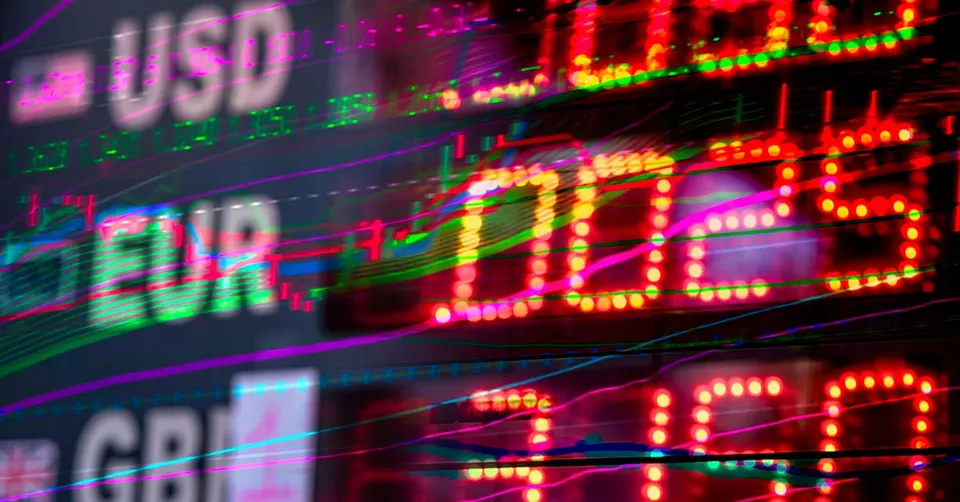
Beyond the immediate borders of the Middle East, two major stories are shaping the long-term economic and political landscape. In the tech sector, Google has finalized a landmark data center deal with Xcel Energy that is projected to save customers up to $1.5 billion over the next 15 years. This highlights the massive infrastructure shift required to power the AI revolution. However, this expansion is meeting resistance; New York is currently considering a moratorium on large-scale data centers due to environmental and energy concerns. This push-and-pull between AI progress and resource management will likely define the tech investment climate for the remainder of 2026.
Meanwhile, the US political scene remains a source of global market uncertainty. Donald Trump has once again raised allegations of 'election rigging' regarding the slow vote count in California’s latest primary. While experts and the Justice Department maintain that the slow pace is a feature of a secure verification system, the rhetoric adds a layer of political risk to the US dollar’s long-term stability. As the world watches these democratic processes unfold, the potential for internal US friction remains a wildcard that could impact everything from sanctions policy to global trade agreements, eventually trickling down to the exchange rates seen on the streets of Tehran.
Watch
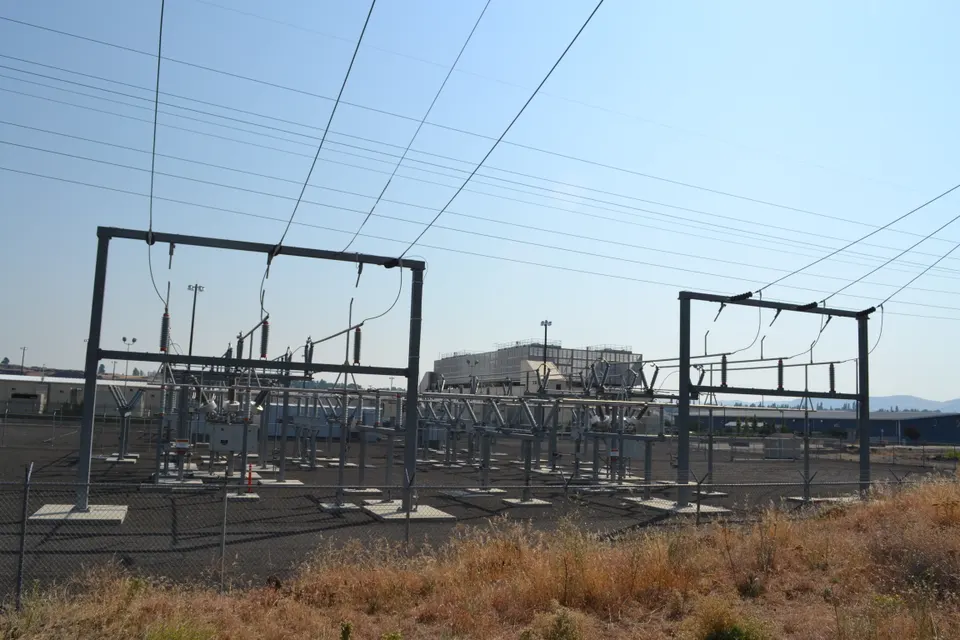
Several soldiers killed in Israeli strike on Lebanon • FRANCE 24 English
FRANCE 24 English
Frequently Asked Questions
Why did the Emami coin price drop while the US Dollar rose?
How does the Israeli strike on Lebanese soldiers affect the Iranian economy?
What was the impact of the US jobs report on global markets?
How the US Dollar Shapes the Iranian Rial: Exchange Rate Regimes and Their Real‑World Impact
The Iranian rial (IRR) has been under intense pressure for years, largely because the United States dollar (USD) remains the world’s primary reserve and transaction currency. Iran’s official exchange rate is set by the Central Bank of Iran, but a parallel market – often called the “free market” rate – frequently diverges dramatically. When the US releases strong economic data, such as a robust jobs report, it can boost the dollar’s global value, which in turn pushes the rial’s market price higher. This phenomenon is known as exchange rate pass‑through, where movements in a dominant currency transmit directly to the domestic currency’s value.
Iran operates a managed float: the central bank intervenes to keep the official rate relatively stable, while market forces determine the free‑market rate. The gap between the two rates creates arbitrage opportunities and fuels inflation, because many import‑dependent goods are priced using the higher free‑market rate. When the USD strengthens, import costs rise, leading to higher consumer prices and eroding real wages – a key reason why you’ll see headlines linking US jobs data to the rial’s movements.
Understanding this system helps explain why seemingly unrelated events – a Google data‑center deal in the region, or a cease‑fire between Israel and Lebanon – can indirectly affect the rial. Geopolitical stability influences investor confidence and capital flows; a stable environment encourages foreign investment, which can bring in hard currency and support the rial. Conversely, heightened tension can trigger capital flight, increasing demand for dollars and further weakening the rial.
Policy makers in Iran have tried several tools to curb volatility: tightening monetary policy, imposing capital controls, and even introducing a dual‑exchange‑rate system for specific imports. However, without addressing structural issues such as sanctions, low oil revenues, and limited foreign exchange earnings, these measures provide only temporary relief. The rial’s trajectory will continue to mirror the dollar’s strength, making US macroeconomic indicators a crucial barometer for anyone tracking Iran’s economy.
For a deeper dive, explore the mechanics of managed floats, the impact of sanctions on exchange rates, and the role of parallel markets in emerging economies.
Topics
Related Articles