Texas Trial Racial Tensions Flare as Iran Tallies $42 Million University Damage Bill
تنشهای نژادی در دادگاه تگزاس و برآورد خسارت ۷.۵ هزار میلیارد تومانی دانشگاه بهشتی
A controversial jury selection in a Texas murder trial reignites US racial debates, while Tehran reports massive infrastructure damage from recent strikes. Meanwhile, oil markets remain on edge as US crude inventories hit perilously low levels.
At time of publishing
USD
174,700
Toman
Gold 18K
18.31M
Toman / gram
Bitcoin
$60,744
US Dollar
Tether
174,615
Toman
Racial Tensions Ignite Over Texas High School Murder Trial
The selection of an all-white jury in the murder trial of Karmelo Anthony, a Black teenager accused of killing a white peer, Austin Metcalf, has sparked a firestorm of national outrage across the United States. The incident, which dates back to a 2025 high school track meet in the affluent suburb of Frisco, Texas, has become a lightning rod for racial politics. Anthony, who was 17 at the time and is being tried as an adult, claims the stabbing was a result of a physical altercation that spiraled out of control. However, the legal proceedings are now being viewed through a deeply polarized lens, with social media discourse further entrenching the divide along racial lines.
This trial is not just a local criminal matter; it represents a significant stress test for the American judicial system during a period of heightened social volatility. For international observers and investors, domestic unrest in the U.S. often signals a potential shift in political focus, which can influence everything from foreign policy priorities to the stability of the U.S. Dollar. The optics of an all-white jury deciding the fate of a Black youth in a high-profile case could lead to civil unrest, adding another layer of risk to an already fragile global geopolitical landscape.
The Economic Toll of Conflict: Shahid Beheshti University Damage
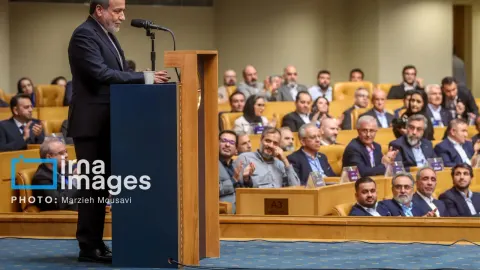
In Tehran, the tangible costs of the ongoing regional conflict are coming into sharper focus. Mahmoud Reza Aghamiri, the president of Shahid Beheshti University, announced today that the damage caused by recent US-Israeli strikes on the campus has been estimated at approximately 7.5 trillion Tomans, or roughly $42.75 million. This figure reflects the destruction of critical academic infrastructure, research facilities, and historical buildings on one of Iran's most prestigious campuses. The assessment highlights how the physical theater of war is shifting toward civilian and educational hubs, creating long-term economic and intellectual setbacks for the nation.
For the average Iranian, this news reinforces the reality of a "war economy." When billions are diverted to repair damage or lost in infrastructure destruction, the pressure on the national budget intensifies, often leading to further inflationary pressures. The market has already felt this tension; the USD/IRR exchange rate moved from 174,300 to 174,700 today, a 0.2% increase that reflects the persistent demand for hard currency as a hedge against domestic instability. The destruction of such a central educational institution also impacts public confidence, as the perceived safety of even non-military zones is called into question.
Oil Markets Brace for Supply Shocks Amidst Low Inventories
Global energy markets are facing a dual threat as U.S. commercial crude inventories hit what analysts describe as "perilously low" levels. As the conflict involving Iran and the U.S. enters its fourth month, the buffer provided by strategic and commercial reserves is thinning. While the aviation industry, meeting currently in Rio de Janeiro for the IATA summit, remains optimistic about summer travel, the reality of tankers being delayed or blocked at the Strait of Hormuz continues to haunt supply chain projections. The disconnect between high-level industry optimism and the ground reality of energy scarcity is creating a volatile environment for oil futures.
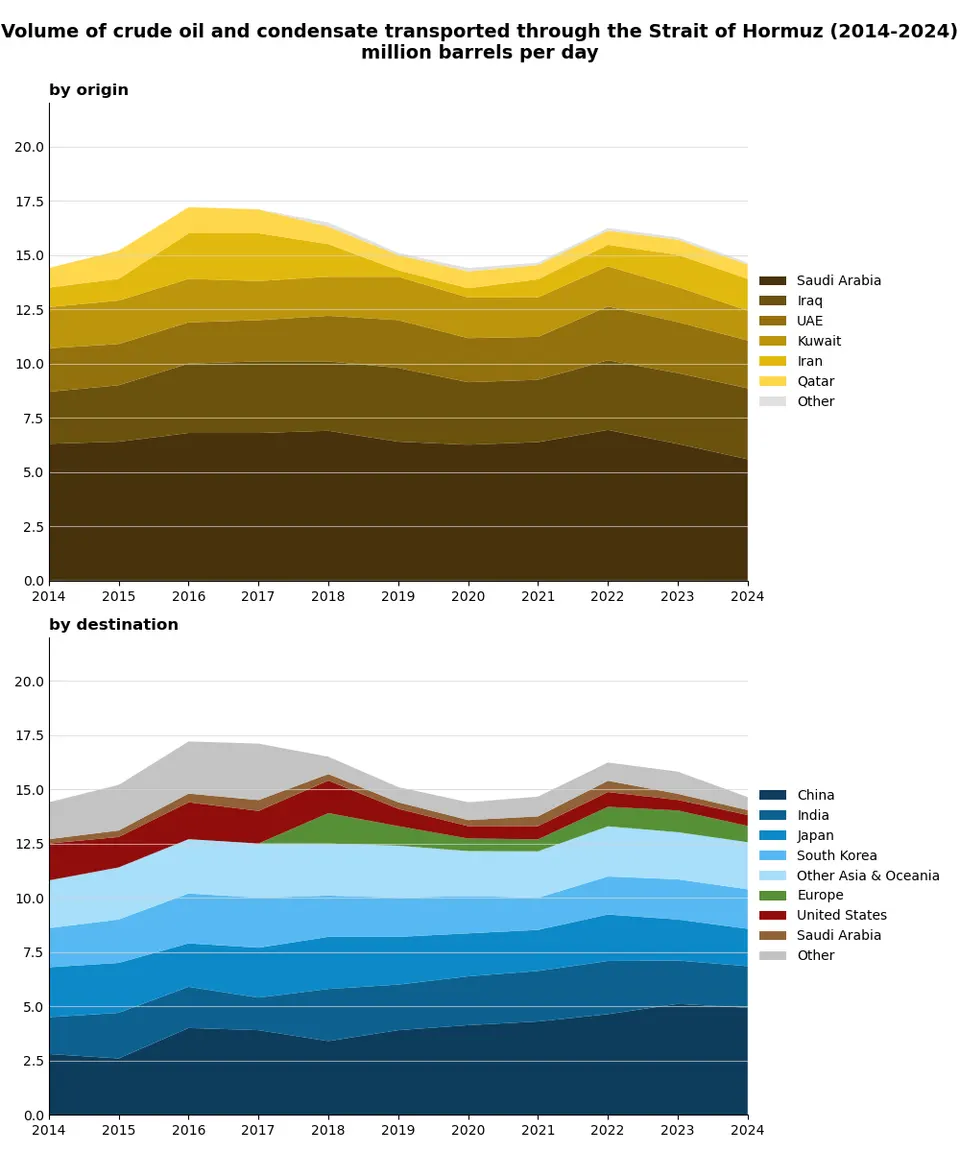
This supply-side crunch is a primary driver for the current floor in global energy prices. If inventories continue to dwindle without a clear resolution to the regional hostilities, the cost of fuel could see a dramatic spike, reigniting global inflation fears. For Iranian markets, higher oil prices are a double-edged sword; while they technically increase the value of exports, the sanctions regime and the physical risks to shipping often prevent the country from fully capitalizing on these price swings. This uncertainty is reflected in the local gold market, where Emami coins fell from 183,500,000 to 181,000,000 Toman (-1.4%), likely due to profit-taking or a shift in liquidity as traders move toward the rising USD.
Corporate Shifts and Market Adjustments
Beyond the geopolitical headlines, corporate governance and insider activity are providing secondary signals to investors. In the UK, David Sullivan, the joint chairman of West Ham United, has stepped down following serious historical allegations. While seemingly unrelated to macroeconomics, such high-profile resignations often trigger shifts in sports-related investments and media rights valuations. Meanwhile, in the U.S. financial sector, Ryan Specialty's CFO recently purchased 6,300 shares for $200,000. Insider buying of this scale is often interpreted as a sign of internal confidence in a company’s resilience despite the broader market turbulence.
In the local Iranian market, gold 18k per gram saw a marginal decline from 18,331,409 to 18,308,093 Toman (-0.1%). This minor correction, paired with the drop in Emami coins, suggests that the market is currently prioritizing the U.S. Dollar over gold, despite the global gold ounce price sitting at a high of $4,330.00. The divergence between local gold prices and the global benchmark often points to a local liquidity crunch or a specific preference for the greenback as the ultimate safe haven during times of direct infrastructure damage and regional military escalation.
Frequently Asked Questions
Why is the Karmelo Anthony trial in Texas causing national unrest in the US?
How will the 7.5 trillion Toman damage to Shahid Beheshti University affect the Iranian economy?
Why is the price of Emami coin falling while the US Dollar is rising?
What is the current status of global oil inventories according to recent reports?
Understanding Exchange Rates: The Global Economic Barometer
The exchange rate is a fundamental concept in international economics, representing the value of one country's currency in relation to another's. For instance, the USD/IRR exchange rate tells you how many Iranian Rials you can get for one US Dollar, or vice-versa. This seemingly simple number is crucial because it dictates the cost of international trade, travel, and investment, directly impacting a nation's economic health and its citizens' purchasing power on the global stage.
Exchange rates are primarily determined by the forces of supply and demand in the foreign exchange market. Factors such as a country's inflation rate, interest rates, economic growth, political stability, and balance of trade all play significant roles. For example, if a country's exports are booming, increasing the demand for its currency, its value will likely appreciate. Conversely, high inflation or political uncertainty can lead investors to sell off a currency, causing its value to depreciate. Central banks also intervene to manage exchange rates through various monetary policies.
Fluctuations in exchange rates have profound implications. A stronger domestic currency makes imports cheaper and foreign travel more affordable for residents, but it also makes exports more expensive and less competitive internationally. On the other hand, a weaker currency makes exports more attractive but drives up the cost of imported goods, potentially fueling inflation. For individuals, this means the cost of goods imported from abroad, like electronics or certain foods, can change significantly based on currency movements.
Understanding exchange rates is vital for interpreting global economic news, including reports on "Iran economic news" or the "Emami coin price drop" mentioned in the keywords. A changing USD/IRR exchange rate directly affects the cost of goods and services within Iran that are tied to international markets, influences the profitability of businesses engaged in foreign trade, and impacts the real value of local assets like the Emami coin when measured against international benchmarks. It provides a critical lens through which to understand a nation's economic interactions with the rest of the world.
Topics
Related Articles