
Regional Tensions Flare as Lebanese Army Hit; Lubin Defends $259M ETH Position
تنشهای منطقهای با حمله به ارتش لبنان شدت گرفت؛ دفاع ۲۵۹ میلیون دلاری لوبین از اتریوم
Hezbollah has issued a fierce condemnation following a deadly Israeli strike on Lebanese army personnel, while Ethereum co-founder Joseph Lubin moves massive collateral to stabilize a $259 million debt position. In Europe, Keir Starmer prepares for a high-stakes summit with Zelenskyy and EU leaders to solidify Ukraine's defense strategy.
At time of publishing
USD
174,600
Toman
Gold 18K
18.32M
Toman / gram
Bitcoin
$60,546
US Dollar
Tether
175,600
Toman
Escalation in Lebanon: The Military Buffer Under Fire
The geopolitical landscape in the Middle East has shifted dangerously this hour following a confirmed Israeli strike on a Lebanese army vehicle. The attack, which claimed the lives of a high-ranking Lebanese general and two other soldiers, has drawn immediate and sharp condemnation from Hezbollah. In a statement released via IRNA, the group described the incident as a deliberate act of aggression intended to undermine the Lebanese state’s sovereignty. This development is particularly significant because the Lebanese Armed Forces (LAF) often serve as a delicate buffer between Hezbollah and Israeli forces; direct strikes on the national military increase the risk of a full-scale regional conflagration that could draw in neighboring powers.
For Iranian observers and market participants, this escalation has translated into immediate, albeit measured, volatility. The USD/IRR exchange rate edged higher in the late session, moving from 174,300 to 174,600 (+0.2%), reflecting a growing risk premium. While the Emami coin actually saw a decline from 183,500,000 to 181,000,000 (-1.4%), this is largely attributed to localized profit-taking rather than a cooling of tensions. If the conflict continues to target official Lebanese state infrastructure, the pressure on the Toman is expected to intensify as the threat of broader regional instability looms over trade routes and diplomatic stability.

European Diplomacy: A New Coalition for Ukraine
In London, Prime Minister Keir Starmer is set to host a pivotal summit at Downing Street involving Ukrainian President Volodymyr Zelenskyy, French President Emmanuel Macron, and German Chancellor-hopeful Friedrich Merz. The meeting comes at a critical juncture after Vladimir Putin reportedly rejected face-to-face peace talks, signaling a prolonged war of attrition. The focus of these discussions will be the formalization of long-term military and financial support frameworks, ensuring that European aid remains resilient regardless of shifting political winds in the United States. This gathering represents a "circle the wagons" moment for European leadership, aiming to provide Ukraine with the strategic depth needed to sustain its defense through 2026.
This summit is not merely a diplomatic exercise; it has profound implications for global energy markets and sanctions regimes. As the UK and EU coordinate more closely on defense, we can expect a tightening of secondary sanctions that could indirectly affect Iranian trade networks linked to the Russian industrial complex. Investors are watching closely to see if this new "European core" will push for more aggressive measures against entities facilitating the transit of dual-use technologies. The outcome of Sunday’s talks will likely set the tone for the Euro's performance against the Dollar in the coming week, as fiscal commitments to the war effort weigh against economic growth projections.

Crypto Whales and Tech Blunders: Market Resilience Tested
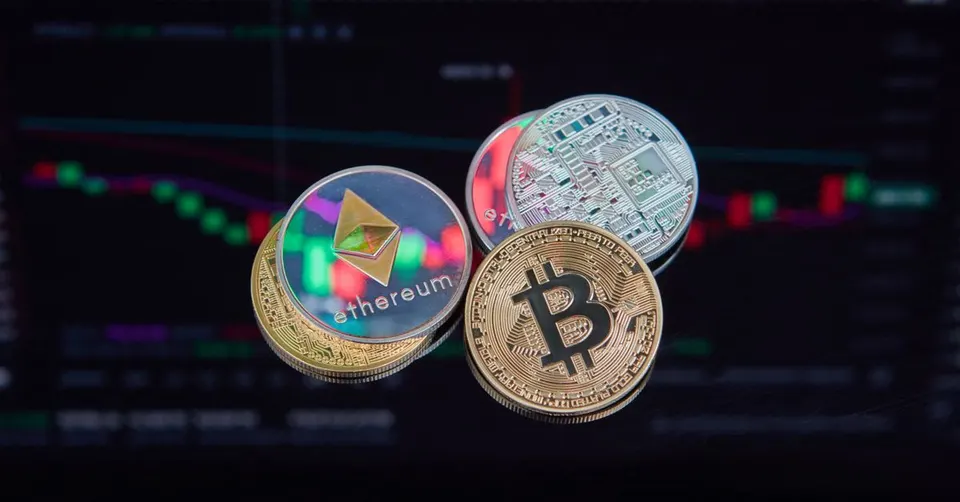
On the digital front, the cryptocurrency market is witnessing a masterclass in risk management from one of its most prominent figures. Joseph Lubin, co-founder of Ethereum, has moved approximately 110,000 ETH to bolster a $259 million debt position held in DAI. On-chain analysts suggest this is a defensive move designed to lower his liquidation threshold as ETH prices hover around the $1,557 mark. By increasing his collateral, Lubin is effectively preventing a massive forced sell-off that could have triggered a cascade of liquidations across the decentralized finance (DeFi) ecosystem. This move provides a temporary floor for Ethereum, though the broader market remains cautious as Bitcoin struggles to regain its $61,000 footing.
Meanwhile, the tech world is reeling from a bizarre PR disaster at GOG, the prominent digital games retailer. The company was forced to issue a formal apology after a newsletter promoting the game "The End of the Sun" accidentally included Nazi SS symbols. GOG attributed the error to a "series of mistakes," including issues with font rendering and a lack of oversight due to a bank holiday. While seemingly a niche story, it highlights the growing risks of automated marketing and the fragility of corporate reputations in an era where digital errors go viral instantly. For tech investors, it serves as a reminder that even established platforms are vulnerable to significant operational failures when staffing and quality assurance are compromised.
Tragic Incident in the West Bank
Adding to the regional gloom, reports from Hebron confirm the death of a seven-month-old Palestinian infant, Sam Fahd Abu Haikal, who was shot by Israeli troops while in his mother's arms. The family’s car was reportedly fired upon despite complying with orders to stop at a checkpoint. Such incidents continue to inflame public sentiment across the Muslim world and provide further fuel for geopolitical volatility. In Tehran, these events are often the catalyst for diplomatic shifts and can influence the rhetoric of the Shanghai Cooperation Organization (SCO) members, who are currently meeting in Kyrgyzstan to discuss regional security. The cumulative weight of these human tragedies and military escalations continues to keep the Iranian market in a state of high alert.
Frequently Asked Questions
Why is the strike on the Lebanese army vehicle so significant?
What does Joseph Lubin's 110,000 ETH move mean for retail investors?
How could the Starmer-Zelenskyy summit impact the Iranian Toman?
Understanding Ethereum Staking and the Role of Large Validators
Ethereum’s transition to proof‑of‑stake (PoS) with the Merge introduced a new way of securing the network: staking. Instead of miners expending electricity to solve cryptographic puzzles, validators lock up (stake) ETH as collateral and are randomly selected to propose and attest to new blocks. In return, they earn rewards in ETH, while any malicious behavior can lead to a portion of their stake being slashed.
A validator must deposit 32 ETH to join the network, but many entities—exchanges, institutional investors, and crypto‑entrepreneurs like Joseph Lubin—operate validator pools that aggregate thousands of ETH from multiple participants. By doing so, they can run many validator nodes, diversify risk, and earn a proportionate share of the staking rewards. Lubin’s reported $259 million ETH position reflects a sizable pooled stake, giving his operation a meaningful influence on block proposal frequency and overall network health.
Staking rewards are not fixed; they depend on the total amount of ETH staked across the network. When more ETH is locked, the annual percentage yield (APY) falls, and vice‑versa. This dynamic creates a feedback loop: high yields attract more stakers, increasing the total stake and pushing yields down. Conversely, if market prices fall sharply, some participants may withdraw, reducing the stake and boosting yields. Understanding this mechanism helps explain why large validators closely monitor ETH price movements and network participation rates.
Beyond rewards, large validators face operational risks: maintaining uptime, protecting private keys, and ensuring sufficient hardware and connectivity. A missed attestation can lead to a small penalty, while a prolonged outage can result in more substantial loss of rewards. Consequently, many big players employ redundant infrastructure across multiple geographic locations and use sophisticated key‑management solutions to mitigate these risks.
For anyone interested in the broader crypto ecosystem, grasping Ethereum staking illuminates how the network’s security is now tied to capital rather than electricity, how incentives shape validator behavior, and why the actions of large stakeholders like Lubin can have ripple effects on ETH’s price and the ecosystem’s decentralization.
Topics
Related Articles