CIA Gold Bar Scandal Rocks Intel Community as Toman Edges Higher to 174,800
رسوایی شمشهای طلای افسر سیا و خیز آرام دلار به سمت ۱۷۵ هزار تومان
A shocking corruption case involving a CIA officer and gold bars has surfaced, while the weight-loss drug market prepares for a second wave of innovation. Meanwhile, the Iranian Toman shows slight upward pressure as gold coins experience a notable nightly correction.
At time of publishing
USD
174,800
Toman
Gold 18K
18.32M
Toman / gram
Bitcoin
$60,619
US Dollar
Tether
175,791
Toman
The CIA’s ‘Fake Spy’ Gold Scandal
In a case that reads more like a Hollywood thriller than a federal indictment, David Rush, a veteran CIA officer, has been ordered to remain in detention following the discovery of a massive internal fraud scheme. Federal investigators revealed that Rush allegedly created a completely fictitious spy program, using it as a front to funnel millions of dollars in federal funds into his own pockets. The most striking piece of evidence? A stash of physical gold bars found in his possession, which prosecutors argue were used to launder and store the stolen wealth away from the prying eyes of digital banking monitors.
This breach of trust within the Central Intelligence Agency raises profound questions about oversight and the ease with which black-budget funds can be diverted. Unlike traditional financial crimes involving wire transfers, the use of gold bars highlights a return to 'hard' assets for illicit activities, likely chosen for their lack of a digital footprint. For the intelligence community, this is a significant blow to morale and institutional integrity, as it suggests that the very mechanisms designed to protect national security were exploited for personal enrichment over an extended period.

The Second Wave of Weight-Loss Innovation
The pharmaceutical landscape is currently dominated by names like Wegovy and Zepbound, but the next generation of weight-loss drugs is already visible on the horizon. New experimental therapies are moving beyond the standard GLP-1 injections, focusing specifically on eliminating the two biggest barriers to patient compliance: chronic nausea and the inconvenience of daily administration. These 'second-wave' drugs aim to provide more sustainable weight management with fewer side effects, potentially disrupting the current market leaders who have struggled with supply chain issues and patient drop-off rates due to gastrointestinal distress.
For investors and healthcare providers, this shift signifies a transition from a 'gold rush' phase to a 'refinement' phase in the obesity market. Companies that can deliver a more tolerable pill-based alternative or a less frequent injection schedule are expected to capture a massive share of the untapped market. As these experimental drugs move through clinical trials, the biotech sector is seeing a surge in speculative interest, with many analysts predicting that the efficacy of the drug will soon be secondary to its 'user experience' and side-effect profile.

Robo-Advisors Struggle to Capture AI Gains
Despite the massive hype surrounding artificial intelligence on Wall Street, a new report suggests that most retail robo-advisors are failing to turn AI-generated stock picks into market-beating returns. While these automated platforms excel at administrative tasks like tax-loss harvesting and maintaining portfolio discipline, they have yet to prove that their algorithms can consistently outperform traditional index funds or human-led strategies. The 'black box' nature of many AI picks often leads to high turnover and volatility, which can erode gains through transaction costs and poorly timed entries.
This reality check comes at a time when retail investors are increasingly looking for 'the next big thing' in algorithmic trading. The data suggests that while AI can process information faster than any human, it cannot yet account for the irrationality of market sentiment or the sudden geopolitical shocks that often dictate short-term price action. For the average investor, this serves as a reminder that technology is a tool for efficiency, not a guaranteed shortcut to wealth. The human element of risk management and long-term strategic planning remains the most critical component of a successful portfolio.
Market Update: Toman Rises as Gold Coins Correct
The Tehran market is witnessing a divergence between currency and hard assets this Saturday evening. The USD/IRR exchange rate moved from 174,300 to 174,800, marking a +0.3% increase over the last 24 hours. This subtle upward pressure on the dollar suggests a tightening of liquidity or a preemptive hedge against regional uncertainty. Meanwhile, the gold market in Iran is seeing a cooling period; 18k gold per gram dipped slightly from 18,331,409 to 18,318,712 Toman (-0.1%), showing relative stability despite the currency's move.
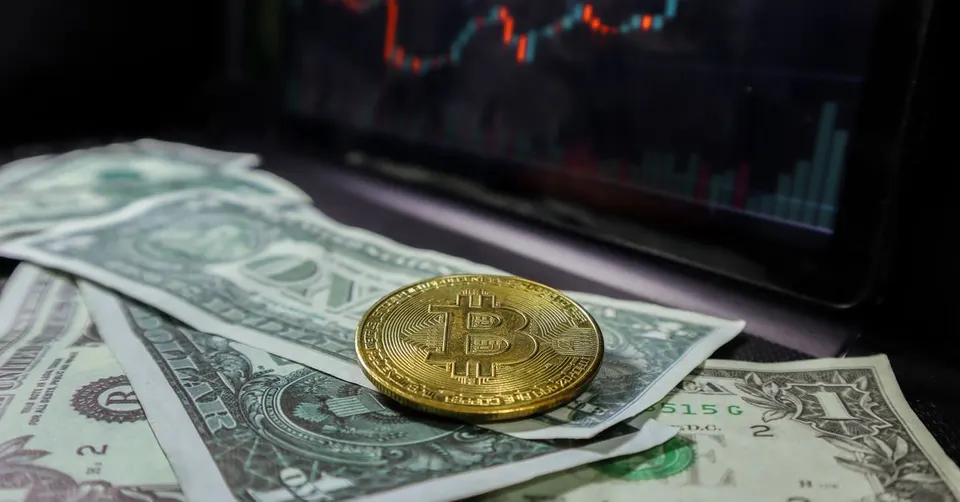
However, the most significant movement occurred in the coin market, where the Emami coin dropped from 183,500,000 to 181,000,000 Toman, a sharp -1.4% decline. This correction in the coin market often precedes a broader shift in retail sentiment, as the premium on physical coins begins to evaporate when speculators take profits. In the crypto space, Bitcoin continues to flirt with the $60,000 level, currently trading at $60,619, as traders watch for a potential rebound from its most oversold state since the 2020 crash.
Frequently Asked Questions
Why did the CIA officer choose gold bars for his fraud scheme?
What makes the 'second wave' of weight-loss drugs different from Ozempic or Wegovy?
Why is the Emami coin falling while the USD price is rising in Tehran?
Understanding Exchange Rate Regimes: Fixed, Floating, and What Drives a Currency’s Value
When a headline mentions the Iranian toman edging higher against the dollar, it is tempting to think of a simple market reaction. In reality, a currency’s price is shaped by the exchange rate regime a country adopts—whether the rate is officially fixed, allowed to float freely, or managed somewhere in between. A fixed (or pegged) regime ties the domestic currency to a foreign anchor, such as the U.S. dollar, at a set rate. The government or central bank must then intervene constantly—buying or selling foreign reserves—to keep the market price at the official level. This can create credibility and stability, but it also makes the economy vulnerable if reserves run low.
A floating regime, by contrast, lets supply and demand determine the rate. Market participants react to inflation differentials, interest‑rate gaps, trade balances, and geopolitical risk. In a pure float, the central bank steps back, intervening only in extreme situations. Most modern economies operate a managed float, where authorities influence the market through occasional interventions or by adjusting policy rates. Iran’s rial/toman has historically oscillated between a heavily managed peg and a de‑facto float, which explains why the currency can swing dramatically within weeks.
Several forces drive these movements. Inflation differentials are key: if domestic prices rise faster than abroad, the currency loses purchasing power, prompting depreciation. Interest‑rate differentials attract capital flows; higher domestic rates can support the currency, while lower rates may cause outflows. Political and sanctions risk—as seen with the CIA gold scandal and broader geopolitical tensions—adds a risk premium that can depress the currency. Finally, central bank reserves act as a buffer; when reserves dwindle, markets anticipate a devaluation, creating a self‑fulfilling spiral.
Understanding the regime helps investors interpret headlines. A modest rise in the toman could be the result of a short‑term intervention, a shift in oil export revenues, or a speculative bet on upcoming policy changes. However, without sufficient reserves or credible policy, such gains may be fleeting, and the currency could resume a steeper decline. For anyone watching the Tehran market, keeping an eye on the Central Bank of Iran’s reserve levels, policy statements, and the broader macro‑environment is essential.
Key takeaway: Exchange rate regimes are the rulebook that determines how a currency reacts to economic forces. Knowing whether a currency is pegged, floating, or managed gives you a lens to assess whether short‑term price moves are sustainable or merely market noise.
Topics
Related Articles