Diplomatic Friction and Market Shifts: Iran's Strategic Unity as UK Trial Sparks Transatlantic Row
تنشهای دیپلماتیک و نوسان بازار: وحدت استراتژیک ایران همزمان با جنجال سیاسی در بریتانیا
Iranian officials signal a unified front in negotiations as the Rial faces minor pressure, while a high-profile UK trial triggers a diplomatic spat with the US Vice President. Meanwhile, solar energy continues its unexpected boom under the Trump administration despite policy shifts.
At time of publishing
USD
176,000
Toman
Gold 18K
18.44M
Toman / gram
Bitcoin
$62,470
US Dollar
Tether
175,941
Toman
Transatlantic Tension: The Nowak Trial and Diplomatic Fallout
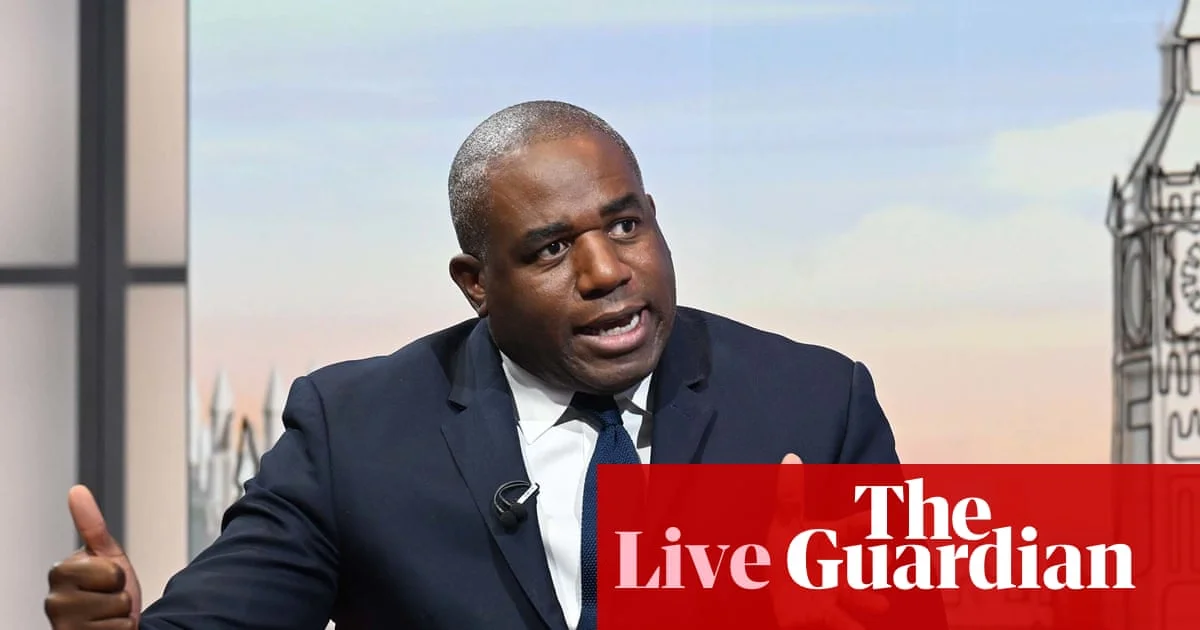
The trial of Vickrum Digwa for the murder of Henry Nowak has transcended local legal boundaries, evolving into a significant diplomatic friction point between the United Kingdom and the United States. The situation escalated following comments from US Vice President JD Vance, who attributed the crime to a "mass invasion of migrants" and called for "righteous anger." This intervention prompted a swift and stern rebuke from Downing Street, with UK officials accusing foreign figures of attempting to interfere in British democracy and stir internal division. The UK Justice Secretary, David Lammy, has since engaged in direct discussions with Vance to emphasize the integrity of the British judicial process and the ongoing investigation into police conduct by the Independent Police Authority.
This row highlights the increasing volatility of international relations when domestic judicial matters are filtered through the lens of global populist rhetoric. For observers, this is not merely a legal proceeding but a test of diplomatic resilience between two historically close allies. The UK government’s firm stance suggests a low tolerance for external commentary that could potentially incite public disorder, especially as the police force had already expressed concerns about online disinformation surrounding the case. The friction comes at a sensitive time for European security and political stability, where unified messaging is often preferred over public disagreements.

For global markets and political analysts, such disputes serve as a reminder of the "geopolitical risk premium" that can suddenly emerge from non-economic events. While the immediate impact on trade is negligible, the erosion of diplomatic decorum can complicate broader cooperation on issues ranging from defense spending to shared intelligence. As the trial continues, the focus remains on whether this spat will remain a rhetorical exchange or if it will manifest in more significant policy divergences between London and Washington in the coming months.
Iran’s Strategic Pivot: Unified Negotiations and Regional Alliances
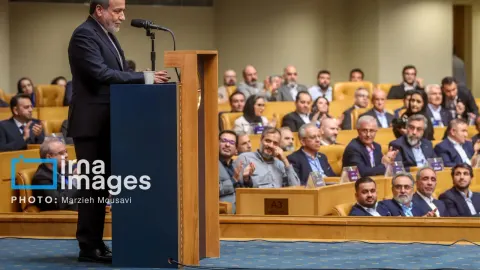
In Tehran, a clear message of internal cohesion has been broadcasted by Vice President Mohammad Reza Aref, who asserted that all senior Iranian officials are fully aligned regarding the country's negotiating strategy. This statement aims to dispel rumors of internal discord or differing proposals within the administration, presenting a "united front" to the international community. This domestic unity is being paired with an active foreign policy, as Foreign Minister Abbas Araghchi emphasizes the expansion of ties with Venezuela. The meeting between Araghchi and the Iranian Ambassador to Caracas, Ali Chegini, underscores a continued commitment to strengthening the "Global South" alliance, focusing on energy cooperation and bypassing traditional Western financial circuits.
On the economic front, the Iranian market is showing signs of moderate volatility. The USD/IRR exchange rate moved from 174,800 to 176,000, representing a 0.7% increase in the last 24 hours. Similarly, the price of Emami gold coins rose from 181,000,000 to 183,000,000 Toman (+1.1%). These shifts reflect a cautious market sentiment as the 100th day of heightened regional tensions passes, marked by recent reports of drone interceptions over the Strait of Hormuz. Investors appear to be hedging their positions in gold and hard currency as they monitor both the diplomatic rhetoric and the physical security of vital maritime corridors.

What this means for the average Iranian reader is a period of "watchful waiting." While the government projects stability and strategic depth through its alliances with Latin America and its unified stance on nuclear or regional talks, the local currency remains sensitive to the broader geopolitical climate. The 0.7% rise in the dollar and the 1.1% jump in gold coins suggest that despite official confidence, the market is pricing in the risks of prolonged regional friction and the potential for further sanctions-related challenges.
Energy and Finance: The Paradox of the Solar Boom and Crypto Delistings
In a surprising turn for the global energy sector, newly released data from the Federal Energy Regulatory Commission (FERC) reveals that solar power remains the fastest-growing source of new energy capacity in the United States. This growth persists despite the Trump administration’s vocal pivot toward fossil fuels and the rollback of various clean energy incentives. For 28 consecutive months, solar has dominated new installations, proving that market forces and the declining cost of technology are currently outpacing federal policy shifts. This trend suggests a structural change in the global energy landscape that may be irreversible, regardless of the political leadership in Washington.
Simultaneously, the digital asset market is navigating its own set of political complexities. The exchange HTX has announced the delisting of the Trump-linked "USD1" stablecoin. This decision follows moves by World Liberty Financial to freeze certain exchange-linked addresses, citing compliance with UK sanctions. This interplay between decentralized finance and traditional regulatory frameworks illustrates the growing pains of the crypto industry as it attempts to integrate with global politics. It highlights a future where even "neutral" digital assets can become entangled in the sanctions regimes of major world powers, affecting liquidity and investor trust.
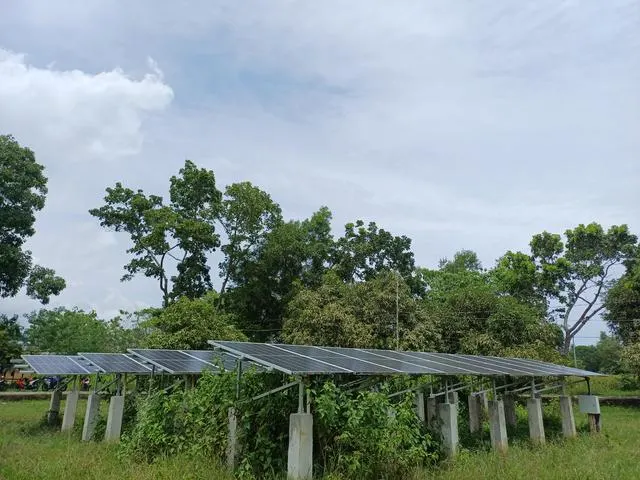
For those following the intersection of technology and capital, these developments show two different paths of evolution. In energy, the physical reality of cost-efficiency is driving a green transition faster than policy can hinder it. In finance, however, the digital realm is finding itself more restricted by the very political boundaries it once sought to transcend. For Iranian investors and tech enthusiasts, these global shifts are critical; the resilience of solar energy offers a blueprint for domestic energy security, while the crypto delistings serve as a cautionary tale about the reach of international sanctions in the digital age.
Frequently Asked Questions
چرا قیمت دلار و سکه در بازار تهران افزایش یافته است؟
تنش دیپلماتیک بین بریتانیا و آمریکا بر سر چه موضوعی است؟
چرا انرژی خورشیدی در دولت ترامپ همچنان در حال رشد است؟
Economic Sanctions and the Quest for Financial Alternatives
Economic sanctions are powerful foreign policy tools designed to pressure a target country's government by inflicting economic pain. These measures typically involve restrictions on trade, finance, travel, and investment, aiming to limit a nation's access to global markets and its ability to conduct international transactions. The primary goal is often to compel a change in behavior, whether related to nuclear programs, human rights, or regional stability, by making the status quo economically unsustainable.
One of the most immediate and visible impacts of comprehensive economic sanctions is on a country's national currency. By severely curtailing exports, blocking access to foreign exchange reserves, and deterring international investment, sanctions drastically reduce the supply of foreign currency (like USD) within the sanctioned economy. This scarcity inevitably leads to a sharp depreciation of the local currency against major international denominations, as seen with the Iranian Rial (IRR) against the US Dollar. Such depreciation fuels inflation, erodes purchasing power, and significantly increases the cost of imported goods, creating severe economic hardship for the populace.
In response to these financial blockades, sanctioned nations often explore and develop alternative financial systems to circumvent restrictions and maintain economic activity. This can range from bilateral trade agreements with allied nations, often involving barter or local currency settlements (as might be seen in Iran-Venezuela relations), to the adoption or creation of digital currencies. Cryptocurrencies, whether state-backed or privately developed (like the mention of Emami coin), offer a decentralized means of value transfer that can operate outside traditional banking channels, potentially enabling cross-border transactions and mitigating the impact of sanctions on critical imports or exports.
However, these alternative systems come with their own set of challenges, including volatility, regulatory uncertainty, and the constant threat of secondary sanctions from imposing nations. While they offer a lifeline for some economic activities, they rarely fully compensate for the loss of access to the global financial system. The ongoing innovation in this space reflects a continuous cat-and-mouse game between sanctioning powers and sanctioned entities, highlighting the evolving nature of economic warfare and financial resilience.
Topics
Related Articles