100 Days of US-Israel War on Iran: Economic Ripples Amidst Global Geopolitical Volatility
۱۰۰ روز از جنگ آمریکا و اسرائیل علیه ایران: امواج اقتصادی در بحبوحه نوسانات ژئوپلیتیک جهانی
As the "US-Israel war on Iran" marks its 100th day, Al Jazeera details the profound human and economic costs, directly impacting regional stability. Meanwhile, global markets navigate new tensions from Ukraine's historical commemorations and Peru's deeply polarized election, adding layers of uncertainty to the overnight digest.
At time of publishing
USD
174,800
Toman
Gold 18K
18.32M
Toman / gram
Bitcoin
$61,731
US Dollar
Tether
175,244
Toman
Market Open
Good morning, Arzbin readers. As the week begins, Iran's key financial indicators show a degree of stability, yet the underlying currents of geopolitical tension remain potent. The USD/IRR exchange rate held steady overnight, remaining at 174,800 Toman, reflecting a +0.0% change over 24 hours. Similarly, gold 18k/gram saw no movement, priced at 18,318,712 Toman. This calm on the surface, however, belies a backdrop of significant regional and global developments that continue to shape market sentiment.
In contrast to the static currency and gram gold, the Emami coin experienced a slight uptick, rising from 181,000,000 Toman to 182,500,000 Toman, marking a +0.8% increase. This modest gain in the Emami coin often signals a cautious flight to tangible assets amidst broader uncertainties, even if the primary currency pair remains unmoved. Bitcoin (BTC) is currently trading at 61,731 USD, with Ethereum (ETH) at 1,603.64 USD, and USDT at 175,244 Toman, though 24-hour deltas for these cryptocurrencies were not immediately available, suggesting a hold pattern as the global crypto market digests recent events.
100 Days of the US-Israel War on Iran: A Deep Dive into Economic & Human Costs
Al Jazeera has released a comprehensive analysis marking the 100-day milestone of what it terms the "US-Israel war on Iran," a period commencing on February 28th. This report meticulously visualizes the unfolding human tragedy and the significant economic repercussions of this prolonged, multifaceted conflict. While not a conventional military invasion, the term refers to the continuous pressure through sanctions, cyber warfare, regional proxy engagements, and diplomatic isolation that has profoundly impacted Iran's societal and financial fabric. The report underscores how these sustained pressures have led to a tangible human cost, from disrupted daily lives to challenges in accessing essential goods and services.
The strategic rationale behind this sustained pressure campaign by the US and Israel is often cited as an effort to curb Iran's regional influence, dismantle its nuclear program, and destabilize its government. However, the report highlights the unintended consequences and the resilience within Iran, even as its economy grapples with severe constraints. For the Iranian reader, this ongoing situation directly translates into heightened currency expectations, challenges in international trade, and the persistent upward pressure on domestic prices, which erode purchasing power and confidence. The 'war' here isn't fought with tanks and troops, but with economic levers and geopolitical maneuvers that have a very real impact on every household.
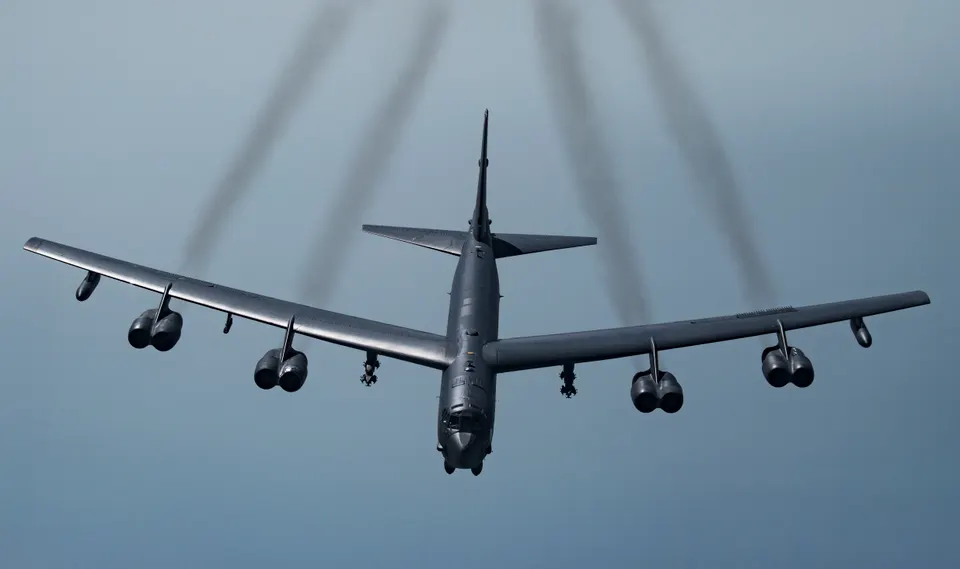
The broader implications for global markets are also considerable. The Strait of Hormuz, a critical chokepoint for global oil supply, remains a flashpoint, with any escalation risking severe disruptions to energy markets. The Al Jazeera report, by quantifying the impact over 100 days, provides a stark reminder of the fragility of regional stability and how prolonged, non-conventional conflict can ripple through global supply chains and investor sentiment. This sustained tension keeps a premium on risk assets and influences decisions in commodity markets, particularly oil, even as official market data might show short-term stability in Iran's local markets.
Ukraine's Historical Commemoration Strains Ties with Poland
Ukrainian President Volodymyr Zelensky's decision to name a military unit after a World War II-era militia has sparked considerable tension with Poland, a crucial ally in Ukraine's ongoing conflict with Russia. The militia in question is infamous for its role in massacres of Poles and Jews during WWII, a dark chapter in shared history that Poland has long sought accountability for. This move, intended by Kyiv to bolster national identity and morale by honoring figures perceived as national heroes, has inadvertently reopened old wounds and created a diplomatic rift with its western neighbor. Warsaw has expressed strong condemnation, viewing the act as a disregard for historical truth and the victims of the atrocities.
This incident is not merely a historical debate but carries significant geopolitical weight. Poland has been one of Ukraine's staunchest supporters, providing substantial military aid, humanitarian assistance, and advocating for Ukraine's integration into Western structures like the EU and NATO. A significant strain in this relationship could complicate future aid packages, diplomatic backing, and the overall unity of the anti-Russia coalition. For global observers and markets, it underscores the complex interplay of historical grievances and contemporary alliances, demonstrating how internal nationalistic narratives can inadvertently jeopardize vital international partnerships.

The broader implications extend to the perception of Ukraine's leadership and its commitment to European values. While Ukraine seeks to align itself more closely with the West, actions that glorify controversial historical figures can undermine its efforts and provide fodder for Russian propaganda. This tension adds another layer of political risk to the Eastern European landscape, potentially affecting investor confidence in the region and highlighting the fragility of even strong alliances when confronted with deeply ingrained historical sensitivities. The incident serves as a stark reminder that even in times of war, historical narratives hold immense power and can shape international relations in profound ways.
Peru's Contentious Election Runoff: A Nation on Edge
Peru is once again at a political crossroads, with voters heading to the polls for a highly polarized election runoff. The contest pits Keiko Fujimori, the perennial right-wing candidate and daughter of a controversial former president, against Roberto Sánchez, a leftist congressman. This election is set to determine the country's ninth president in just a decade, a testament to Peru's chronic political instability, rampant corruption scandals, and widespread voter discontent. The first round in April saw Fujimori secure 17% of the vote, with Sánchez closely behind at 12%, setting the stage for a repeat of the deeply divided 2021 election.
The reasons for Peru's persistent political turmoil are multifaceted, stemming from a fragmented political landscape, weak institutions, and a populace disillusioned by successive administrations plagued by corruption and inability to address pressing social and economic issues like rising crime. Both candidates represent starkly different visions for the country's future, with Fujimori typically advocating for market-friendly policies and a stronger hand on security, while Sánchez champions social programs and state intervention in the economy. This ideological chasm makes the outcome unpredictable and potentially disruptive, regardless of who wins.

For global markets and investors, Peru's election runoff represents a significant source of localized political risk. Peru is a major producer of copper, gold, and other minerals, and any drastic shift in economic policy or increased political instability could impact commodity prices and foreign investment in its vital mining sector. A highly contentious result, or even allegations of irregularities, could lead to social unrest, further deterring investors and exacerbating the country's economic challenges. This election is a crucial test for Peruvian democracy and will undoubtedly influence regional stability and the broader perception of emerging markets in Latin America, especially given the ongoing global economic uncertainties.
Frequently Asked Questions
What are the economic impacts of the 'US-Israel war on Iran' after 100 days?
How does the 'war on Iran' affect global oil markets or regional trade?
Why is Zelensky's action regarding the WWII militia causing tension with Poland now?
What are the implications of Peru's highly polarized election for its economy?
How do ongoing geopolitical tensions reflect in Iran's local currency and gold markets?
How Sanctions Trigger Currency Crises: The Case of the Iranian Rial
When a country faces extensive economic sanctions, the most immediate impact is often seen in its currency. Sanctions limit a nation's ability to sell its goods abroad, access foreign financing, and conduct transactions in hard currencies like the US dollar. With fewer dollars flowing into the country, demand for the local currency falls while the supply of the local currency—often inflated by government printing to cover budget gaps—remains high. The result is a sharp depreciation, as seen in the Iranian rial (IRR) after the U.S.-Israel‑Iran escalation in 2024.
In Iran, sanctions have targeted key sectors such as oil exports, banking, and shipping. Because oil is the main source of hard‑currency earnings, the loss of export revenue creates a foreign‑exchange shortage. The central bank is then forced to sell its dwindling dollar reserves to prop up the rial, but once those reserves are exhausted, the currency slides further. Simultaneously, the government may resort to printing more rials to fund subsidies and public wages, flooding the market with unsecured money and accelerating inflation.
The depreciation of the rial has several knock‑on effects. Imported goods become dramatically more expensive, feeding a surge in consumer price inflation. Many Iranians turn to alternative stores of value, notably gold, which has historically been a hedge against currency risk; gold prices in Tehran often spike during sanction‑induced crises. Moreover, a weak rial can make Iranian exports relatively cheaper on the global market, but only if other countries are willing to buy them despite the sanctions—a rare occurrence.
Understanding the mechanics of sanctions‑driven currency crises helps explain why geopolitical flashpoints, such as the US‑Israel conflict, can quickly translate into “economic ripples” across global markets. Investors watch the rial’s exchange rate as a barometer of regional risk, and movements in the IRR can influence capital flows, commodity prices, and even the foreign‑exchange strategies of neighboring economies.
For a deeper dive, see the links below, which cover the theory of sanctions, Iran’s recent monetary history, and the broader impact on emerging‑market currencies.
Topics
Related Articles