Eriksen Recovers as Toman Slides 2.1%; Xbox Marks 25 Years Amid $40B Chip Surge
بازگشت اریکسن به زندگی همزمان با سقوط ۲.۱ درصدی تومان؛ غوغای ۲۵ سالگی ایکسباکس در بازار تکنولوژی
Christian Eriksen is conscious after a harrowing collapse during a friendly match, providing a moment of relief in a volatile hour. Meanwhile, the Iranian Toman has weakened to 178,400 per USD as regional tensions flare, and Microsoft ignites the tech sector with major gaming reveals.
At time of publishing
USD
178,400
Toman
Gold 18K
18.68M
Toman / gram
Bitcoin
$62,173
US Dollar
Tether
178,704
Toman
The Human Heartbeat of Global News
The sporting world held its collective breath this evening as Danish midfielder Christian Eriksen collapsed during a friendly match against Ukraine. The incident, which mirrored the terrifying events of Euro 2020, briefly overshadowed geopolitical and financial movements as fans and players alike waited for news. Fortunately, the Danish Football Association (DBU) has confirmed that Eriksen is conscious and stable. While a football match may seem secondary to market fluctuations, these moments of high-profile human drama often trigger temporary pauses in retail trading activity as global attention shifts toward shared human concerns.
This event serves as a reminder of the fragility of the status quo. In the high-stakes environment of 2026, where every headline is scrutinized for its impact on sentiment, the health of a global icon can influence the 'mood' of the market. For investors, it highlights the unpredictability of the news cycle—where a tragedy or a recovery can momentarily decouple asset prices from their technical indicators. As Eriksen undergoes further tests, the relief felt across social media and news outlets provides a rare moment of unity in an otherwise fractured geopolitical landscape.
Toman Faces New Pressure Amid Beirut Escalation
In the financial corridors of Tehran, the atmosphere is considerably more tense. The Iranian Toman has seen a significant 24-hour slide, with the USD selling price moving from 174,800 to 178,400, representing a 2.1% depreciation. This movement is not happening in a vacuum; it is a direct response to the escalating conflict on the outskirts of Beirut, where Israeli strikes against Hezbollah positions have intensified. As U.S.-led truce efforts appear to stall, the market is pricing in a higher risk of a direct regional confrontation, pushing domestic investors toward the safety of hard currency and gold.
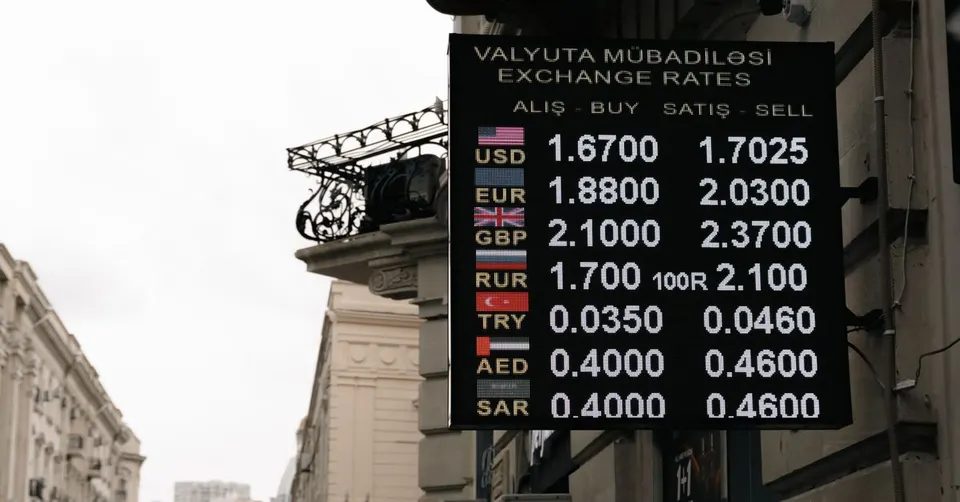
Gold has followed the dollar's lead, with 18k gold per gram rising from 18,318,712 to 18,683,918 (+2.0%). The Emami coin has also seen a 1.7% jump, now trading at 184,000,000 Toman. For the average Iranian citizen, this trend signals a continuation of the inflationary cycle that has characterized the first half of 2026. When regional military activity spikes, the Toman acts as a barometer for public anxiety. The breach of the 178,000 level suggests that the market is testing new resistance points, and without a diplomatic breakthrough in Lebanon, the path of least resistance for the USD remains upward.
Microsoft’s Translucent Green Future and the $40B Chip Race
While geopolitics remains volatile, the technology sector is finding growth in nostalgia and next-generation hardware. Microsoft celebrated the 25th anniversary of Xbox by unveiling a translucent green Series X console, a direct nod to the original 2001 hardware. Beyond the aesthetics, the Xbox Games Showcase confirmed that Microsoft is doubling down on ecosystem exclusivity, notably keeping 'Gears of War: E-Day' off rival platforms like the PS5. Furthermore, the announcement of Minecraft Dungeons 2 for a September 29 release provides a concrete catalyst for Microsoft’s gaming revenue in the third quarter.

Parallel to the consumer tech buzz, the semiconductor industry is witnessing a massive pivot. Analysts have identified indie Semiconductor (INDI) as a primary beneficiary of a burgeoning $40 billion image sensor market, essential for the next wave of autonomous vehicles and AI-integrated hardware. This comes as Nvidia’s CEO recently hinted at a new 'trillion-dollar' company emerging from the niche chip sector. For market participants, the message is clear: while the 'magnificent seven' continue to dominate, the real alpha in 2026 may be found in the specialized semiconductor firms that provide the sensory 'eyes' for the AI revolution.
Delayed Deliveries and Long-Term Shadows
In a lighter but equally fascinating story, a father in the UK finally received a baby magazine he ordered 19 years ago. Paul Edwards of Chester had long forgotten the 2007 order, only for the copy of 'Mother & Baby' to arrive this week, just as his children are finishing university. While seemingly trivial, the story has gone viral as a metaphor for the systemic delays and 'pregnant pauses' often found in bureaucratic and postal systems. It serves as a quirky counterpoint to the high-speed, instant-gratification nature of the modern digital economy.
On a more somber note, justice is also seeing long delays. In Leeds, a man has been arrested 22 years after the murder of teenager Tyrone Clarke. These stories of decades-long wait times—whether for a magazine or for justice—highlight a world that is still catching up with its past. For the reader, it is a reminder that while markets move in milliseconds, the wheels of human history and law often turn with agonizing slowness, eventually closing chapters that many thought were lost to time.
Frequently Asked Questions
Why did the Iranian Toman drop 2.1% in the last 24 hours?
What is unique about the new 25th-anniversary Xbox Series X?
Is Christian Eriksen out of danger after his collapse?
Which semiconductor stocks are gaining attention right now?
Understanding Currency Devaluation: The Case of the Toman
Currency devaluation refers to a deliberate downward adjustment of a country's currency value relative to other currencies, particularly in a fixed or semi-fixed exchange rate system. It's crucial to distinguish it from currency depreciation, which is a market-driven fall in value under a floating exchange rate. When a central bank or government officially lowers the exchange rate, it means that one unit of the domestic currency can now buy fewer units of foreign currency. This policy choice is often made to address specific economic challenges, but it comes with a complex set of consequences.
The decision to devalue a currency can stem from various economic pressures. A primary motivation is often to boost exports and reduce a persistent trade deficit. By making domestic goods cheaper for foreign buyers, devaluation can increase export competitiveness. Conversely, it makes imports more expensive, potentially curbing demand for foreign products. Other causes include high domestic inflation relative to trading partners, a large government debt burden, or a desire to attract foreign investment by making domestic assets cheaper in foreign currency terms. In the context of the Iranian Toman, factors such as sanctions, high inflation, and geopolitical uncertainties have historically contributed to its fluctuating value.
While devaluation can offer some benefits, such as improving the trade balance and potentially stimulating domestic industries by making them more competitive, it carries significant risks for the domestic population. Consumers face higher prices for imported goods, including essential commodities, which can fuel inflation and erode purchasing power. Businesses reliant on imported raw materials or machinery will see their costs rise, potentially impacting profitability and production. Furthermore, a devalued currency can make foreign-denominated debt more expensive to service for both the government and private entities, increasing the risk of default.
Internationally, a currency devaluation can lead to "beggar-thy-neighbor" policies if other countries respond with their own devaluations to maintain competitiveness, potentially leading to currency wars. It can also deter foreign direct investment if investors perceive the economy as unstable or the devaluation as a sign of deeper structural problems. However, if managed effectively and accompanied by sound economic reforms, devaluation can be a tool to rebalance an economy, correct overvaluation, and foster long-term growth by making the country's exports more attractive globally.
The recent reports of the Toman sliding highlight the ongoing challenges faced by economies with volatile exchange rates. Understanding currency devaluation is key to grasping how global economic forces and domestic policies intersect to affect everything from the price of daily goods to a nation's standing in the international market. It's a powerful economic lever, but one that requires careful consideration of its wide-ranging and often contradictory effects.