Trump Sued Over Canadian Tariffs Amid Global Trade War Fears; Tehran Hardens Nuclear Stance as Toman Slips
چالش حقوقی علیه تعرفههای ترامپ همزمان با تضعیف تومان؛ تهران بر خروج نشدن اورانیوم غنیسازی شده پافشاری کرد
A major legal challenge has been launched against the Trump administration's Canadian tariffs, while Tehran's top officials signal a 'no-compromise' stance on nuclear assets. These geopolitical tensions are reflected in the Iranian market, where the USD has risen to 263,700 Toman and gold prices have climbed by over 1%.
At time of publishing
USD
263,700
Toman
Gold 18K
26.46M
Toman / gram
Bitcoin
$82,431
US Dollar
Tether
260,373
Toman
Legal Firestorm Hits Trump’s Trade Policy
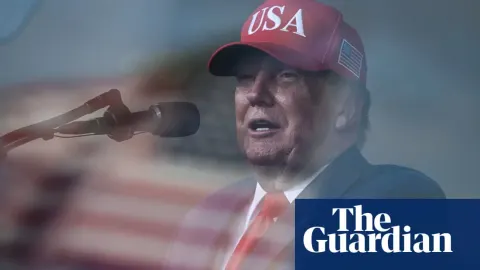
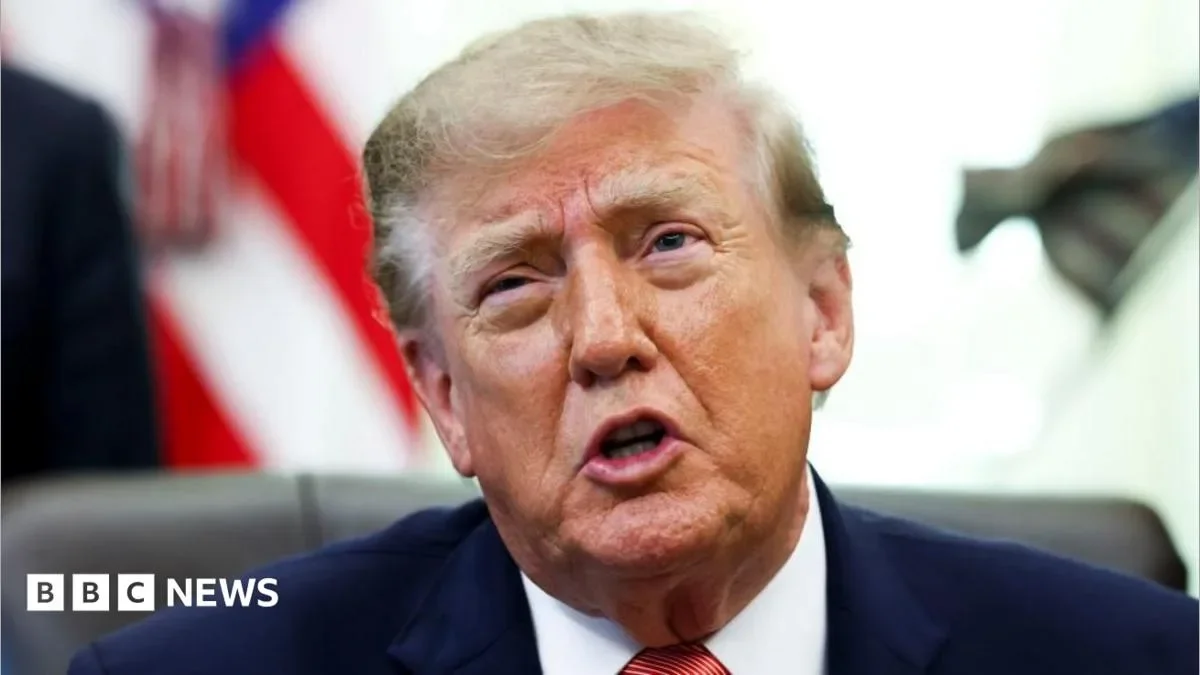
The Trump administration is facing a significant legal hurdle as a lawsuit was filed today challenging the newly imposed tariffs on Canadian goods. The legal action, reported by the BBC, argues that the White House exceeded its constitutional authority and has caused "immediate harm to American businesses." This development marks a critical escalation in the domestic pushback against a protectionist trade agenda that has already begun to rattle global supply chains. For markets, this lawsuit introduces a layer of legal uncertainty that could slow the implementation of further trade barriers, though the immediate effect has been a flight to safety.

This legal battle matters because it tests the limits of executive power in trade negotiations. If the courts rule against the administration, it could weaken Trump's leverage in future negotiations with other major trading partners, including the European Union and China. For the average consumer and business owner, the outcome will determine the cost of imported raw materials and finished goods. In the short term, the uncertainty is contributing to the strength of safe-haven assets like gold, which has seen its international price hold steady at a massive $4,121.20 per ounce.
Tehran’s Red Lines: No Uranium to Leave Iran
In a clear signal of diplomatic defiance, Major General Mohsen Rezaei, Secretary of the Supreme National Security Council, stated on Tuesday evening that "not even a particle of enriched uranium" will exit the country. This statement was made during a meeting with Pakistani mediator Field Marshal Asim Munir, who had arrived in Tehran for high-level consultations. Simultaneously, Parliament Speaker Mohammad Bagher Ghalibaf reiterated that Iran’s position on talks with the United States remains unchanged, sticking to its established "seven conditions." These remarks effectively dampen hopes for a quick diplomatic breakthrough or a return to the negotiating table under current pressures.
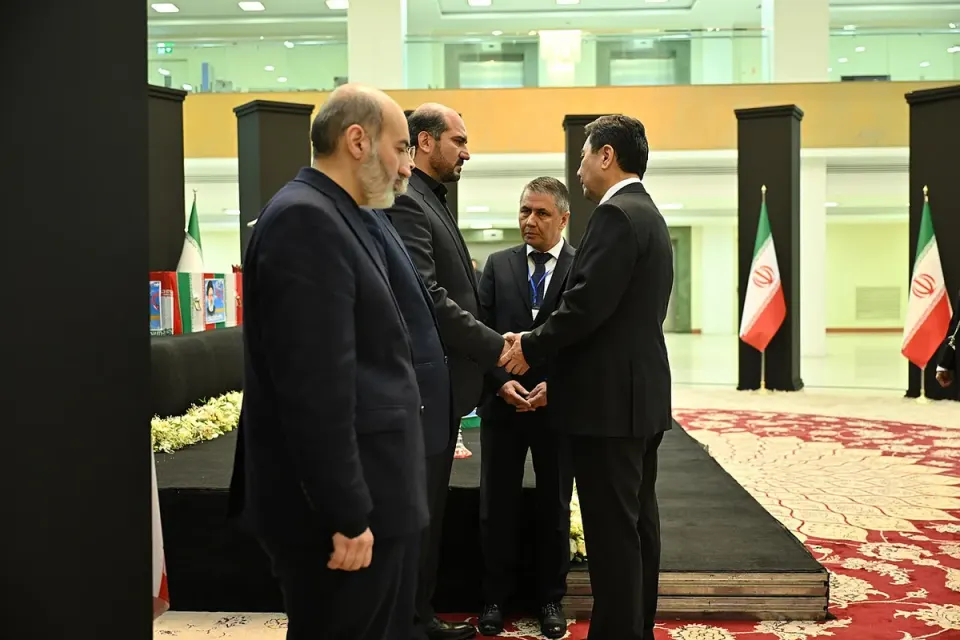
The hardening of this stance has had an immediate psychological impact on the domestic currency market. The USD in Tehran moved from 262,100 to 263,700 Toman, a 0.6% increase within 24 hours. When high-ranking officials reinforce red lines, the market typically reacts by hedging against potential further sanctions or regional escalations. For Iranian savers, this reinforces the trend of moving away from the national currency toward hard assets, as evidenced by the 1.2% rise in 18k gold prices, which reached 26,457,823 Toman per gram today.
Zelensky Shifts Strategy as Ukraine-US Tensions Mount
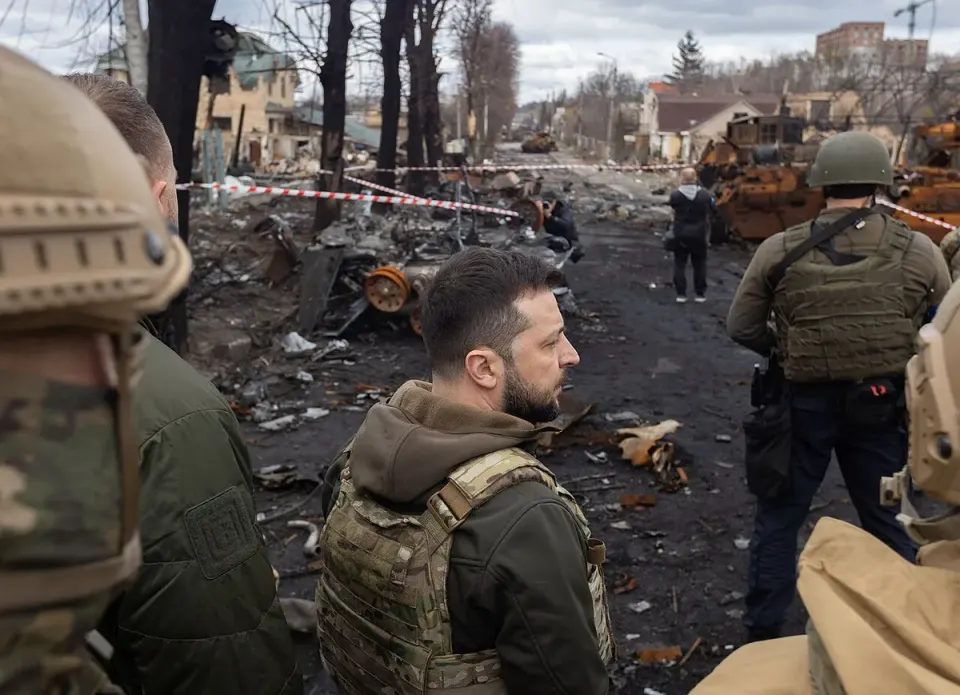
Ukrainian President Volodymyr Zelensky has reportedly "taken the gloves off" in his dealings with the Trump administration. According to Ukrainian officials, the decision to speak out more forcefully comes as the White House increasingly prioritizes Russian interests in its proposed peace frameworks. Zelensky’s team believes that staying quiet is now riskier than public dissent, as the prospect of a deal that compromises Ukrainian sovereignty becomes more tangible. This shift represents a major fracture in the Western alliance that has supported Kyiv since 2022.
This geopolitical friction has broader implications for global energy and security markets. A potential pivot in US policy could lead to a restructuring of European security architecture, impacting everything from defense spending to natural gas flows. As the conflict enters this new, more politically charged phase, volatility in the energy sector is expected to persist. For global investors, the friction between Kyiv and Washington adds another layer of risk to an already fragile geopolitical landscape, keeping the pressure on traditional markets and driving interest in alternative stores of value like Bitcoin, which is currently coiling near the $82,431 support level.
Market Dynamics and the Path Ahead
As of سهشنبه ۲۸ مهر ۱۴۰۵, the Iranian market is showing clear signs of inflationary pressure. While the Emami coin remained stable at 266,500,000 Toman, the broader gold market and the currency exchange rates are trending upward. The rise in gold prices by 1.2% in a single day is a significant move, reflecting local anxiety over both the nuclear rhetoric in Tehran and the global trade wars initiated by Washington. Investors are closely watching the $82,500 level for Bitcoin, as a breakout or breakdown there could signal the next major move for digital assets globally.
For the Iranian consumer, these macro shifts mean that the cost of living continues to be tied to the volatility of international relations. The failure of the Pakistani mediation to produce a softening of Tehran's stance suggests that the status quo of economic pressure will likely continue. As global trade tensions rise, the interconnectedness of these events—from Canadian tariffs to Ukrainian diplomacy—creates a complex environment where local prices are increasingly dictated by distant political maneuvers.
Frequently Asked Questions
چرا شکایت حقوقی علیه تعرفههای ترامپ برای بازار ایران مهم است؟
تاکید بر عدم خروج اورانیوم چه تاثیری بر قیمت تومانی طلا دارد؟
پیشبینی جیپی مورگان برای بیتکوین چه سیگنالی به بازار میدهد؟
Understanding Tariffs and Trade Wars
A tariff is a tax imposed by a government on imported goods. By raising the price of foreign products, tariffs aim to protect domestic industries from competition, generate revenue, or exert political pressure. The rate of a tariff is expressed as a percentage of the good’s value, and it can vary widely depending on the product category and the country of origin.
When multiple countries impose tariffs on each other’s goods, the situation can quickly escalate into a trade war. Each side retaliates with higher or new duties, which can disrupt supply chains, raise consumer prices, and slow economic growth. The recent lawsuit filed by former President Donald Trump against Canadian tariffs is a classic example of how political disputes can spill over into legal battles, reflecting broader anxieties about a global trade war.
Trade wars are not just about numbers on a customs form; they affect real‑world outcomes. Higher tariffs on steel, for instance, can increase construction costs, while tariffs on agricultural products can hurt farmers who rely on export markets. Moreover, the uncertainty created by trade disputes can dampen investment, as companies hesitate to commit capital when future market access is unclear.
International institutions like the World Trade Organization (WTO) exist to provide rules and a dispute‑resolution mechanism that can help prevent or de‑escalate trade wars. Countries can bring cases to the WTO, which may authorize retaliation only after a thorough legal process. However, when major economies choose to bypass or ignore WTO rulings, the risk of an unchecked trade war rises.
Understanding tariffs and the dynamics of trade wars is crucial for anyone watching global economics, from policymakers to everyday consumers. It explains why headlines about lawsuits, currency fluctuations, and commodity price spikes—such as gold or Bitcoin—often have a common underlying thread: the ripple effects of protectionist policies on the world economy.