
Australia Eyes Rate Cuts as AI Fuels Datacenter Boom; China's Oil Imports Hit 8-Year Low
استرالیا منتظر کاهش نرخ بهره؛ چین واردات نفت را به کمترین حد در ۸ سال رساند
Australia's NAB forecasts interest rate cuts by 2027 amidst a surge in AI-driven datacenter investment, while China's crude oil imports have plummeted to an eight-year low. Meanwhile, AI's role in education is under scrutiny in Melbourne.
At time of publishing
USD
175,800
Toman
Gold 18K
18.42M
Toman / gram
Bitcoin
$63,047
US Dollar
Tether
176,876
Toman
Australia's Economic Outlook: AI Boom Meets Rate Cut Speculation
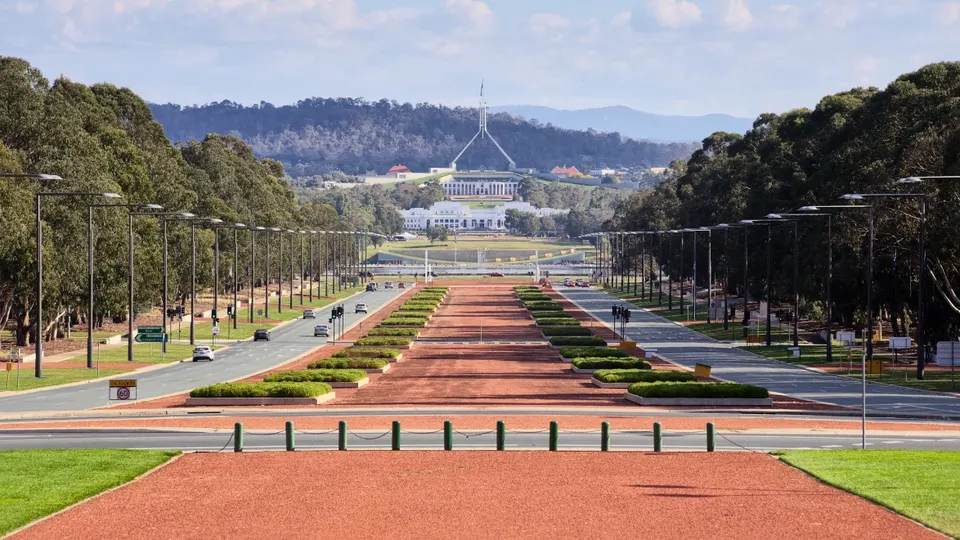
Australia's economic landscape is at a fascinating crossroads, with the National Australia Bank (NAB) now predicting interest rate cuts as early as 2027. This forecast arrives as the nation grapples with a significant influx of investment into artificial intelligence data centers, with tech giants like Microsoft and Amazon Web Services committing billions. Independent Senator David Pocock has voiced concerns, arguing that such substantial investment should yield a "fair return" for Australians. The juxtaposition of massive tech investment, often seen as inflationary, with anticipated monetary easing raises questions about the Reserve Bank of Australia's strategy and the broader economic implications for consumers and businesses.
This development is particularly noteworthy for its potential impact on savings behavior and inflation expectations. If interest rates are indeed set to fall, it could signal a shift away from the current emphasis on inflation control and towards stimulating growth. For individuals and businesses holding assets, this could mean reconsidering savings strategies and investment portfolios. The government's embrace of datacentre development, while promising economic growth, also highlights a growing debate around the equitable distribution of benefits from the AI revolution. The narrative is shifting from simply welcoming investment to ensuring that investment serves the national interest.
---
AI in the Classroom: Melbourne Students Caught Cheating in English Exam
Adding another layer to the AI discussion, students in Melbourne have reportedly been caught using artificial intelligence tools to complete their Year 12 English exams. This incident underscores the growing challenge educators face in maintaining academic integrity in the age of sophisticated AI. While AI offers powerful tools for learning and productivity, its misuse in assessment poses a significant threat to the credibility of educational outcomes. The implications extend beyond individual students; they question the very methods by which we evaluate learning and prepare future generations for a world increasingly shaped by AI.
This development prompts a broader conversation about the future of education and assessment. How can institutions adapt to ensure that AI is used as a supplementary tool rather than a crutch for cheating? The incident in Melbourne may necessitate a re-evaluation of exam formats, plagiarism detection methods, and even the curriculum itself to better integrate AI responsibly. The long-term consequences could involve a redefinition of academic skills and a greater emphasis on critical thinking and original analysis that AI, in its current form, cannot fully replicate.
---
China's Oil Imports Tumble: A Sign of Economic Slowdown and Shifting Demand
China's crude oil imports have experienced a dramatic decline, falling to their lowest point in eight years in May. According to Bloomberg, daily imports averaged 7.8 million barrels, a significant drop from last year's average of 11.6 million barrels. This sharp contraction is attributed to a recent spike in global oil prices, exacerbated by disruptions in the Persian Gulf, making imports more expensive for Beijing. The slowdown is also reflected in reduced refinery run rates and fuel exports, indicating a cautious approach by Chinese authorities to ensure domestic supply amidst economic uncertainties.
This significant drop in demand from the world's second-largest economy carries substantial implications for global oil prices and market sentiment. A decrease in Chinese consumption can exert downward pressure on crude prices, potentially impacting energy producers worldwide. For Iran, a major oil exporter, a weaker Chinese market can mean fewer buyers and potentially lower prices, complicating its economic recovery. The situation highlights the interconnectedness of global energy markets and the sensitivity of oil prices to demand fluctuations in key consuming nations. It also suggests that concerns about global economic growth may be weighing more heavily on energy markets than previously anticipated.

---
Ukraine's Resilience and Russia's Shifting Tactics
Ukrainian President Volodymyr Zelenskyy, in a recent interview, conveyed an optimistic outlook regarding the ongoing conflict, suggesting that Russia is losing its initiative. He highlighted Ukrainian drone strikes targeting Russian cities and occupied Crimea as evidence of Kyiv's growing capability to strike deep within Russian territory. Despite the positive assessment, Zelenskyy acknowledged that Russia has not yet been defeated, but the momentum appears to be shifting. This resilience is being observed even as former President Donald Trump has issued warnings to Israel regarding further strikes, urging a focus on maintaining a fragile ceasefire, a stance that appears to embolden Iran.
The geopolitical implications of Zelenskyy's statements and Trump's warnings are complex. For global markets, sustained conflict or escalations in the Middle East and Eastern Europe can lead to increased volatility, particularly in energy prices and currency markets. Iran's perceived emboldenment, influenced by external diplomatic signals, could reignite regional tensions, potentially impacting vital shipping lanes and commodity flows. The international community, therefore, remains on edge, monitoring diplomatic maneuvers and battlefield developments closely for any signs of significant shifts that could affect global stability and economic confidence.

---
Iran's Vanishing Lakes: A Growing Water Crisis
Satellite imagery reveals a deepening water crisis in Iran, with numerous lakes significantly diminished or completely dried up. This environmental catastrophe is attributed to a combination of prolonged drought, reduced rainfall, and unsustainable water management practices. Compounding these long-standing issues, the ongoing conflict involving the US and Israel has further exacerbated the situation, though the exact mechanisms of this exacerbation are not detailed in the provided information. The vanishing lakes represent a critical threat to Iran's ecosystems, agriculture, and the livelihoods of millions who depend on these water sources.
The implications of this water crisis for Iran are profound. Beyond the environmental devastation, it poses significant challenges to food security, potentially leading to increased internal displacement and social unrest. Economically, it can strain agricultural output, a vital sector for the nation, and impact industries reliant on water resources. For the average Iranian, this translates to greater hardship, potential price increases for food items due to reduced agricultural yields, and a general decline in living standards. The crisis underscores the vulnerability of regions facing climate change and the complex interplay of environmental, economic, and geopolitical factors.
Frequently Asked Questions
What is NAB's prediction for Australian interest rates?
Why have China's oil imports decreased so significantly?
What are the implications of the vanishing lakes in Iran?
How is AI impacting education in Australia?
What is the current sentiment regarding the Ukraine conflict?
Understanding Monetary Policy: The Central Bank's Lever
Monetary policy refers to the actions undertaken by a central bank to influence the availability and cost of money and credit to help promote national economic goals. Its primary objectives typically include maintaining price stability (controlling inflation), fostering maximum sustainable employment, and ensuring moderate long-term interest rates. The most visible and frequently used tool in a central bank's arsenal is the adjustment of benchmark interest rates, which profoundly impacts borrowing costs for businesses and consumers.
When a central bank, like the Reserve Bank of Australia (RBA), considers cutting interest rates, it usually aims to stimulate economic activity. Lower interest rates reduce the cost of borrowing for mortgages, business loans, and consumer credit, making it cheaper for individuals to buy homes or cars, and for companies to invest in new equipment or expand operations. This increased spending and investment can boost demand, create jobs, and accelerate economic growth, often in response to signs of an economic slowdown or to counter deflationary pressures.
However, the decision to adjust interest rates is rarely straightforward. Central banks must weigh a multitude of domestic and international factors. For instance, while Australia might be experiencing an AI-fueled boom in data centers, indicating strong domestic investment in certain sectors, global economic headwinds—such as a slowdown in China affecting commodity demand and trade—could temper overall growth prospects. Geopolitical events, like the Ukraine conflict, also influence energy prices and global supply chains, adding layers of complexity to the economic outlook. A central bank's challenge is to balance these conflicting signals to steer the economy toward its long-term objectives without creating excessive inflation or asset bubbles.
Ultimately, understanding monetary policy helps explain why headlines often focus on central bank meetings and interest rate announcements. These decisions are not just technical adjustments; they are strategic moves designed to shape the economic landscape, influencing everything from the price of your daily goods to the availability of jobs and the profitability of businesses.