OpenAI Files for Confidential IPO as Iran-Israel Tensions Reach a Strategic Stalemate
ثبت محرمانه عرضه اولیه سهام OpenAI همزمان با بنبست استراتژیک در تنشهای ایران و اسرائیل
OpenAI has officially begun its journey toward a public listing, seeking massive capital to fuel the AI arms race. Meanwhile, regional markets are reacting to a potential 'final' deal between the US and Iran as Israel faces a strategic bind.
At time of publishing
USD
175,850
Toman
Gold 18K
18.42M
Toman / gram
Bitcoin
$62,884
US Dollar
Tether
176,055
Toman
OpenAI Goes Public: The AI Giant Files for Confidential IPO
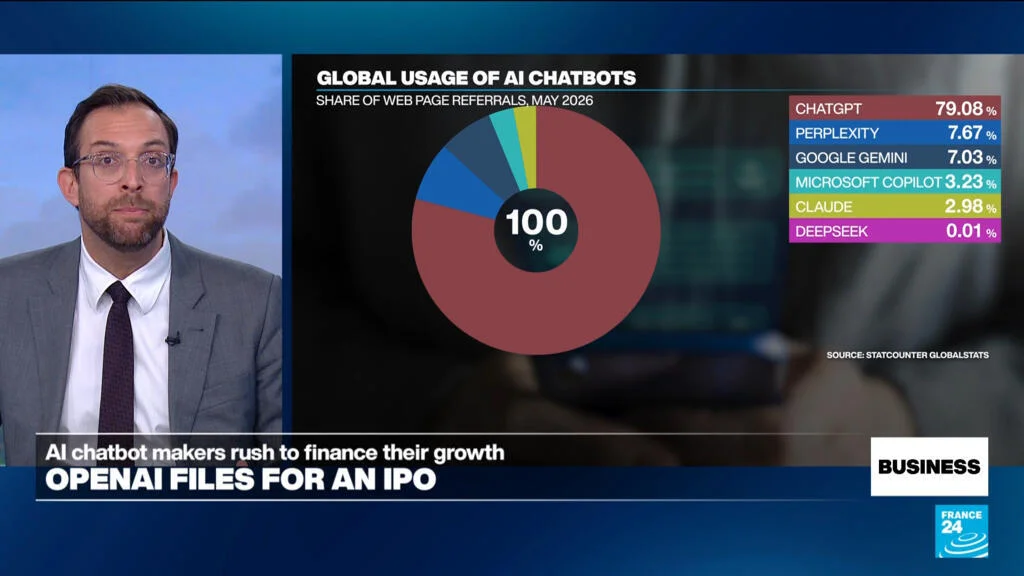
OpenAI, the creator of ChatGPT, has officially set the wheels in motion for one of the most anticipated market debuts in tech history. By submitting a confidential filing with the US Securities and Exchange Commission (SEC) on Monday, the startup is signaling its transition from a venture-backed research lab to a public entity. This move comes at a time when the company’s valuation has skyrocketed, driven by its dominance in the generative AI space. The filing allows OpenAI to keep its financial details private for now, but it underscores the massive capital requirements needed to maintain its lead in the global AI arms race and fund its ever-expanding compute needs.
For observers in Tehran and the wider Middle East, this IPO is more than just a Silicon Valley milestone. As AI becomes the primary driver of global productivity and economic power, the accessibility of these tools remains a point of contention due to sanctions and regional blocks. However, a public OpenAI may face increased scrutiny regarding its global footprint and ethical deployment. The market launch suggests that the AI boom has a very real, very expensive foundation, and the influx of public capital will likely accelerate the development of even more powerful models that could redefine labor markets across the globe.

The Geopolitical Bind: Israel, Iran, and the 'Final Throes' of a Deal
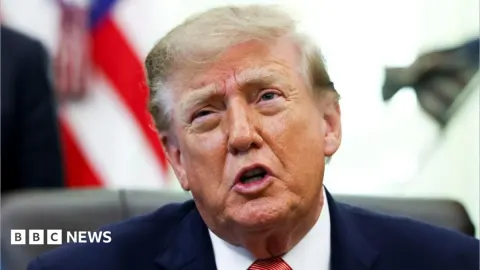
The regional landscape remains on a knife-edge following a 15-hour military engagement that has redefined the 'rules of the game' between Israel and Iran. According to recent reports, Israel now finds itself in a strategic bind: a forceful response to Hezbollah's provocations risks a direct and massive missile barrage from Tehran. This shift in the deterrence equation comes just as Donald Trump suggests that a new deal with Iran is in its 'final throes.' The juxtaposition of military readiness and diplomatic overtures has created a volatile environment for markets, particularly for the Iranian Toman, which is highly sensitive to geopolitical shifts.
In the last 24 hours, the USD in Tehran’s open market moved from 176,900 to 175,850 Toman, a slight decrease of 0.6%. This cooling of the exchange rate, alongside a similar -0.6% dip in gold prices (moving from 18,534,327 to 18,417,978 Toman per gram), suggests that traders are cautiously waiting for the outcome of these high-stakes negotiations. If a deal is indeed imminent, it could lead to a significant relief rally for the Iranian economy; however, the persistent threat of escalation at the border with Lebanon keeps the 'war premium' high. Investors are currently balancing the hope of a diplomatic breakthrough against the reality of a fragile regional security architecture.

Asia at the Center of a 'Third Oil Shock'
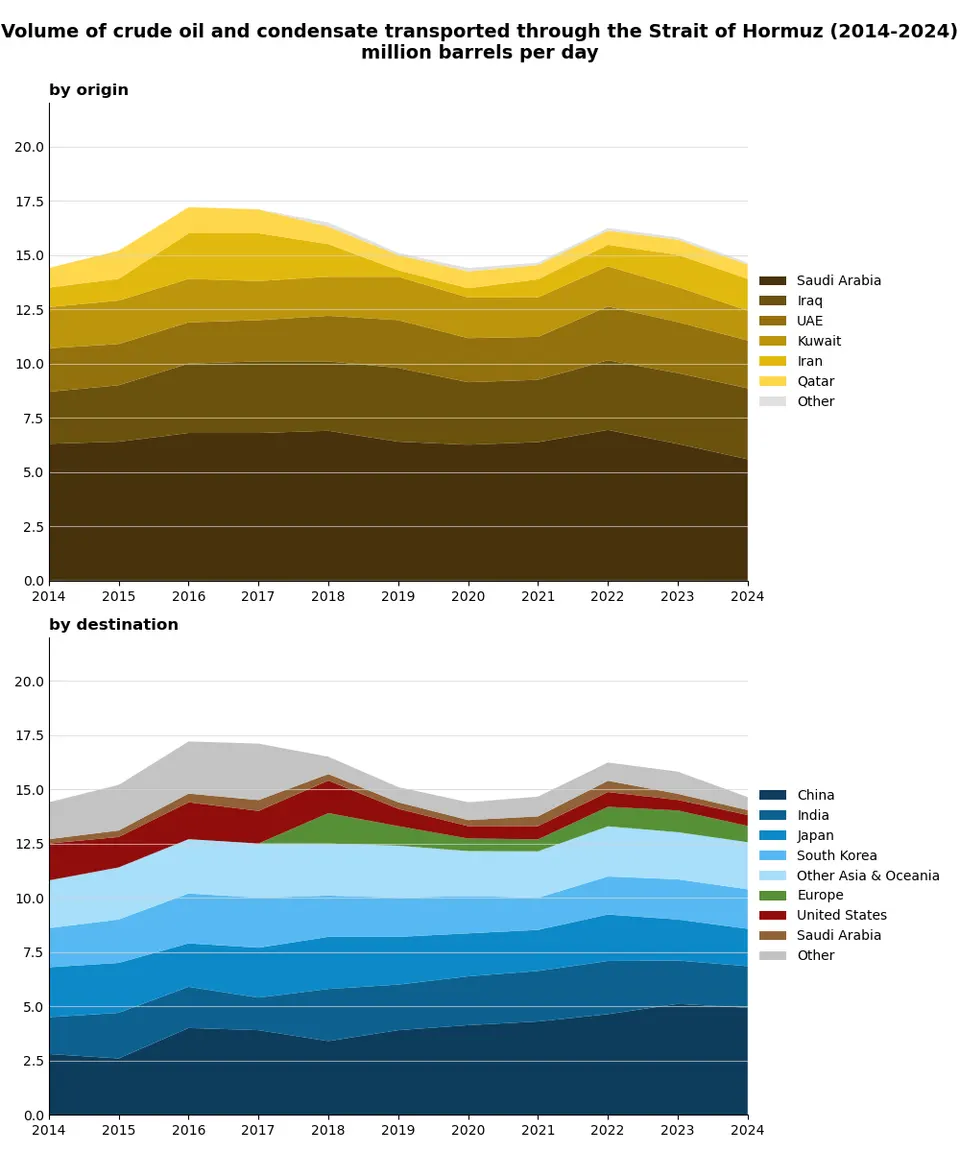
Former International Energy Agency (IEA) chief Nobuo Tanaka has issued a stark warning that Asia is now in the eye of a global energy crisis. Speaking at a summit in Malaysia, Tanaka noted that while the first two oil shocks of the 20th century transformed the West, the 'third shock' is firmly centered on Asian economies. The primary catalyst for this fear is the potential closure or severe disruption of the Strait of Hormuz. As the primary artery for global energy, any blockage in the Strait would be a 'nightmare scenario' for energy-dependent nations like China, India, and Japan, which are already struggling with fluctuating import costs amidst the ongoing regional conflict.
This energy instability has a direct feedback loop into the Iranian budget and the broader global economy. While higher oil prices theoretically benefit producers, the logistical risks and the threat of total maritime blockades create a scenario where volume could drop faster than prices rise. Furthermore, global banks continue to pour money into fossil fuels, with a staggering $906 billion pledged in 2025 alone. This massive investment in traditional energy indicates that despite the green transition, the world—and particularly Asia—remains dangerously tethered to the geopolitical stability of the Persian Gulf and the safe passage of tankers through Iranian-adjacent waters.
UK Politics: The Battle Over Public Sector Equality
In the United Kingdom, Conservative leader Kemi Badenoch has sparked a fierce political debate by proposing the abolition of the public sector equality duty. Badenoch argues that the current legal requirements have become a 'minefield' that exposes public decisions to constant legal challenges, effectively 'turning the clock back' on efficiency. The Labour party has countered this, accusing the Conservatives of wanting to dismantle protections for women and minorities in the workplace. This debate highlights a growing ideological rift in Western governance regarding social justice and administrative reform.
For international observers, this shift in UK policy reflects a broader trend of right-wing movements challenging established social frameworks to reduce bureaucratic overhead. While this may seem distant from Middle Eastern markets, the legislative direction of major economies often influences global standards for corporate governance and ESG (Environmental, Social, and Governance) criteria. As Britain grapples with its identity and legal framework post-Brexit, these internal disputes continue to shape its attractiveness as a destination for foreign investment and its role in international diplomatic coalitions.
Watch
OpenAI submits confidential filing for market launch with US authorities • FRANCE 24 English
FRANCE 24 English
Frequently Asked Questions
Why did OpenAI file for its IPO confidentially?
How is the Iranian Toman responding to the latest geopolitical news?
What is the 'third oil shock' mentioned by energy experts?
What does Israel's 'strategic bind' mean for regional stability?
The Strategic Importance of the Strait of Hormuz
The Strait of Hormuz, a narrow waterway between Oman and Iran, is one of the world’s most critical chokepoints for oil transportation. Roughly 20% of global petroleum liquids—about 21 million barrels per day—pass through this 21‑kilometre‑wide channel, making any disruption a potential shock to international energy markets and, consequently, to currencies tied to oil, such as the Iranian rial (IRR) and even gold prices in Tehran.
Because the strait lies at the mouth of the Persian Gulf, it is directly exposed to geopolitical friction between Iran and its regional rivals, especially Israel. When tensions flare, naval vessels from both sides often conduct drills or shadow each other, prompting shipping companies to reroute vessels around the longer Cape of Good Hope. This rerouting can add up to 2,000 nautical miles, increasing shipping costs, raising oil freight rates, and ultimately pushing up the price of crude on global exchanges.
The economic ripple effect extends beyond oil. Higher oil prices boost the revenue of oil‑exporting nations like Saudi Arabia and the United Arab Emirates, while import‑dependent economies—many of which peg their currencies to the US dollar—face inflationary pressure. For Iran, which is under US sanctions and relies heavily on oil sales to earn hard currency, any Hormuz bottleneck can exacerbate the rial’s depreciation against the dollar, influencing the USD/IRR exchange rate and prompting Iranians to turn to alternative stores of value such as gold.
Understanding the strait’s strategic role helps explain why policymakers, from the U.S. Treasury to the European Union, closely monitor naval activity there. A sustained closure or even a credible threat of closure could trigger emergency measures in global energy markets, prompting price spikes, supply‑chain disruptions, and a cascade of financial adjustments across currencies, commodities, and equity markets worldwide.