World Cup Ticket Crisis Hits Iranian Fans as US Helicopter Crash Sparks Hormuz Tensions
شوک لغو بلیتهای جام جهانی برای ایرانیان و افزایش تنشها پس از سقوط بالگرد آمریکایی در هرمز
Iran's football federation reports a sudden revocation of World Cup ticket allocations just days before the tournament. Simultaneously, a US helicopter crash near the Strait of Hormuz and new Israeli strikes in Lebanon have kept regional markets in a state of cautious volatility.
At time of publishing
USD
175,850
Toman
Gold 18K
18.49M
Toman / gram
Bitcoin
$62,718
US Dollar
Tether
176,557
Toman
World Cup Heartbreak: Iran's Ticket Allocation Revoked
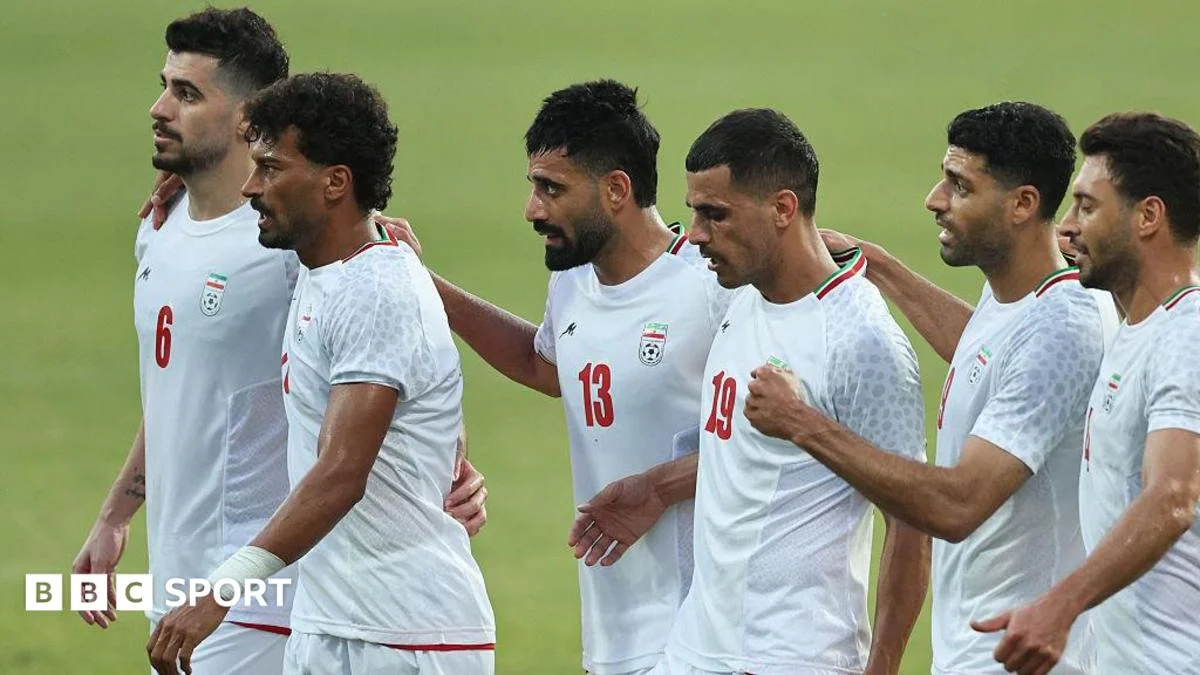
In a move that has stunned the Iranian sporting community and thousands of fans preparing for international travel, the Football Federation of the Islamic Republic of Iran announced today that its official allocation of tickets for the group stage of the 2026 World Cup has been revoked. This sudden cancellation comes just days before the tournament's opening whistle, leaving fans who have already spent thousands of dollars on flights and accommodation in a state of logistical and financial limbo. While the official reasons for the revocation remain murky, initial reports suggest a mix of diplomatic friction and unresolved security protocols between host organizers and the national federation.
For the average Iranian fan, this is more than just a missed game; it is a significant financial blow. Many supporters purchased these tickets through official channels at premium rates, often liquidating gold or foreign currency assets to afford the trip. The news has sent ripples through the domestic travel industry, with agencies reporting a surge in cancellation requests. Beyond the personal loss, this event serves as a stark reminder of how geopolitical tensions can bleed into the cultural and sporting arenas, further isolating Iranian citizens from global events even when their national team is a primary participant.

Tensions Flare at the Strait of Hormuz Following US Helicopter Crash
Geopolitical stability in the Persian Gulf faced a new test today following reports that a United States military helicopter went down near the Strait of Hormuz. While the crew was successfully rescued, the timing of the incident—occurring during a period of extremely fragile cease-fire—has heightened fears of a renewed escalation. Early investigations suggest a technical failure, but the proximity to Iranian territorial waters has forced both Washington and Tehran into a defensive posture. This incident coincides with reports of Israel launching fresh strikes against Hezbollah positions in southern Lebanon, an action that US officials admit is complicating ongoing peace negotiations.
In the local markets, the reaction has been one of cautious retreat rather than panic. The US Dollar in Tehran's open market moved from 176,900 to 175,850 Toman, marking a decrease of 0.6%. Gold 18k followed a similar downward trajectory, dropping from 18,534,327 to 18,487,464 Toman per gram (-0.3%), while the Emami coin fell 0.8% to 181,500,000 Toman. These slight declines suggest that while regional risks are high, traders are currently more focused on the potential for a diplomatic breakthrough than an immediate outbreak of wider conflict. However, any further friction in the shipping lanes of the Strait of Hormuz could quickly reverse this trend as energy prices remain sensitive to supply shocks.

The Pentagon's Tech Offensive: Alibaba and BYD Targeted
In a significant escalation of the US-China technological rivalry, the Pentagon has updated its list of Chinese entities allegedly aiding Beijing’s military, adding giants like Alibaba, Baidu, and the electric vehicle powerhouse BYD. This move comes despite a recent meeting between Donald Trump and Xi Jinping, indicating that the strategic containment of Chinese tech remains a bipartisan priority in Washington. The inclusion of BYD is particularly notable, as the company has become a global leader in EV production, and its blacklisting could disrupt global supply chains and limit its expansion into Western-aligned markets.
For Iran, this development is critically important because China remains its primary partner for technology imports and infrastructure development. As major Chinese firms face increasing pressure from US sanctions, their ability to engage in secondary markets like Iran may become more restricted or require more complex financial workarounds. Furthermore, the global market for semiconductors and AI hardware is likely to see increased volatility as these tech giants are forced to pivot their operations. Investors should watch for how this affects the broader tech sector, as well as the potential for retaliatory measures from Beijing that could impact global trade flows.
Crypto Markets: Bitcoin Slips as Distribution Phase Dominates
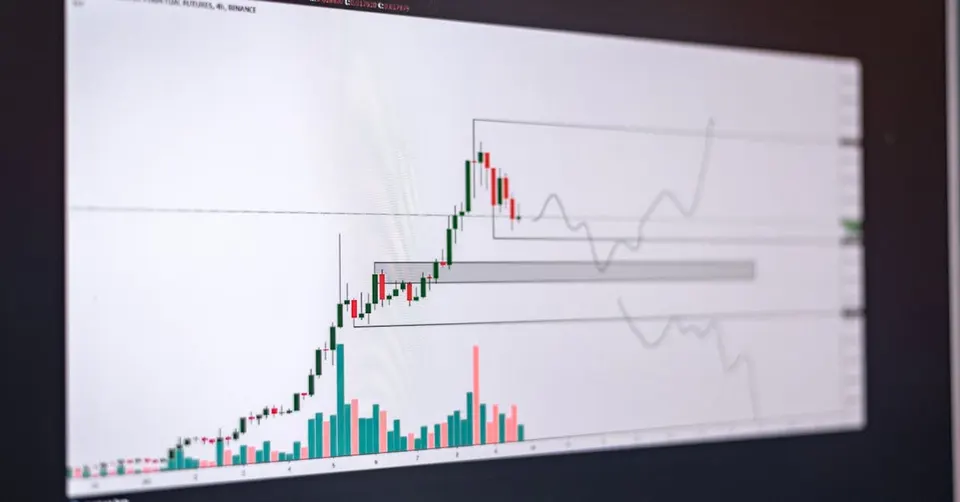
Bitcoin has struggled to maintain its momentum today, slipping below the $63,000 threshold to trade at approximately $62,718. Analysts are warning that the market has entered a "distribution phase," where large institutional holders are selling into rallies rather than accumulating new positions. This shift in sentiment is reflected in the recent outflows from US Bitcoin ETFs, although some market observers see signs that the selling pressure may be starting to ease. The lack of a strong catalyst in the immediate term has left the world's largest cryptocurrency in a range-bound state, waiting for the next major economic indicator from the US Federal Reserve.
While Bitcoin stumbles, the Ethereum ecosystem is seeing new competitive dynamics with the launch of Circle's cirBTC. This wrapped bitcoin product on the Ethereum network is designed to challenge Coinbase's dominance in the DeFi space, allowing traders to leverage their bitcoin wealth within decentralized protocols more efficiently. For Iranian crypto users, who often use stablecoins and major assets as a hedge against Toman volatility, the current stagnation in BTC prices offers a period of relative calm, though the Tether (USDT) rate remains elevated at 176,557 Toman, reflecting the persistent premium on digital dollars in the domestic market.
Frequently Asked Questions
Why were the Iranian World Cup tickets revoked?
How did the US helicopter crash affect the Toman exchange rate?
What does the Pentagon blacklisting of BYD mean for Iranian consumers?
Understanding Currency Depreciation: When Geopolitics Hits Your Wallet
Currency depreciation refers to a fall in the value of a country's currency relative to other currencies, making foreign goods and services more expensive for its citizens. This is distinct from currency devaluation, which is a deliberate government policy to lower a currency's value. Depreciation, conversely, often occurs due to market forces, which can be heavily influenced by geopolitical events and economic instability. When a nation's currency depreciates significantly, its purchasing power on the international stage diminishes, impacting everything from the cost of imported goods to the feasibility of international travel or purchasing foreign event tickets.
Geopolitical tensions, such as those arising from incidents in critical trade routes like the Strait of Hormuz, or the imposition of international sanctions, are potent drivers of currency depreciation. Such events can deter foreign investment, disrupt trade flows, and limit a country's access to foreign currency reserves. For instance, sanctions can restrict a nation's ability to export its primary commodities, like oil, thereby reducing its inflow of foreign exchange. This scarcity of foreign currency in turn drives up its price relative to the local currency, causing the latter to depreciate. Investor confidence also plummets amidst political uncertainty, leading capital to flee the country, further weakening the local currency.
For ordinary citizens, the consequences of severe currency depreciation are profound. The cost of imported goods, from essential medicines to consumer electronics, skyrockets, fueling domestic inflation. International transactions, like buying tickets for a major sporting event such as the World Cup, become prohibitively expensive as more local currency is required to obtain the necessary foreign exchange. This erosion of purchasing power can significantly lower living standards and restrict opportunities for international engagement, creating a palpable "crisis" for those aspiring to participate in global events.
Governments often attempt to stabilize their currencies through various measures, including interest rate adjustments, foreign exchange market interventions, or capital controls. However, in the face of widespread international sanctions and persistent geopolitical pressures, the effectiveness of these tools can be severely limited. The persistent challenge of managing currency value under such conditions underscores the deep connection between a nation's political standing, its economic stability, and the everyday financial realities of its people.