Netanyahu’s 'Trump Bow' Cools Tehran Markets as US World Cup Strike Threats Loom
تعظیم نتانیاهو به فشار ترامپ؛ آرامش نسبی در بازار تهران و تهدید اعتصاب در جام جهانی ۲۰۲۶
Netanyahu faces domestic backlash after pausing Iran strikes at Trump's request, causing a 0.6% dip in USD/IRR. Meanwhile, US stadium workers threaten strikes just days before the World Cup, and stray drones over Ukraine’s neighbors keep global risk premiums high.
At time of publishing
USD
175,900
Toman
Gold 18K
18.47M
Toman / gram
Bitcoin
$62,567
US Dollar
Tether
176,000
Toman
Netanyahu’s Strategic Retreat: A 'Win' for Trump or a Loss for Israel?
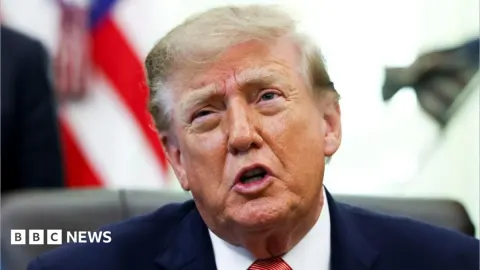
The political landscape in Israel is currently fractured following Prime Minister Benjamin Netanyahu's decision to halt military strikes against Iranian targets. This strategic pause, which reportedly came after a direct phone call from U.S. President Donald Trump, has sparked a firestorm of criticism from Netanyahu’s political rivals. Opponents argue that the Prime Minister is effectively surrendering Israel's sovereign defense decisions to the White House. This development marks a significant shift in the regional dynamic, as Trump seeks to secure a diplomatic breakthrough with Tehran before the Middle East flare-up escalates further. The optics of Netanyahu 'bowing' to American pressure have emboldened his domestic critics, who claim Israel is losing its deterrent power.
For the Iranian economy, this geopolitical cooling has provided a much-needed breather. In the last 24 hours, the US Dollar in Tehran’s open market moved from 176,900 to 175,900 Toman, a decrease of 0.6%. While the drop is modest, it reflects a shift in market sentiment from 'imminent conflict' to 'diplomatic maneuvering.' However, the path to a permanent deal remains fraught with difficulty. Both Washington and Tehran are currently locked in a battle of narratives, where each side demands a 'total victory' to satisfy their domestic bases. Mediators are finding it increasingly difficult to bridge the gap between Trump’s optimistic 'days away' timeline and the reality of ongoing tensions in Lebanon, which Tehran still views as a critical red line.

World Cup Chaos: Strike Threats and Labor Tensions in Los Angeles
As the world prepares for the 2026 World Cup kickoff on June 11, the host cities in the United States are facing an internal crisis that could disrupt the global event. In Los Angeles, over 2,000 workers at SoFi Stadium, represented by Unite Here Local 11, have voted overwhelmingly (96%) in favor of a strike authorization. These workers, who are essential to the hospitality and food services of the tournament, are demanding significant wage increases and formal protections from Immigration and Customs Enforcement (ICE). The threat of a strike during the largest single-sport event in history poses a massive logistical and reputational risk for the U.S. organizing committee and local government.
The timing of this labor dispute is particularly sensitive for international relations. With thousands of fans, including a large segment of the Iranian diaspora, expected to arrive in California, any disruption to stadium services or security could lead to chaos. The workers’ demand 'to make things fair' highlights the growing economic disparity in major U.S. metro areas. While billions of dollars in revenue are projected for FIFA and local businesses, the staff on the front lines feel their wages have not kept pace with the soaring cost of living. This strike threat is not just a local labor issue; it is a test of how the U.S. manages global scrutiny during a period of high domestic economic tension.
Global Risk: Stray Drones and the $100 Oil Floor
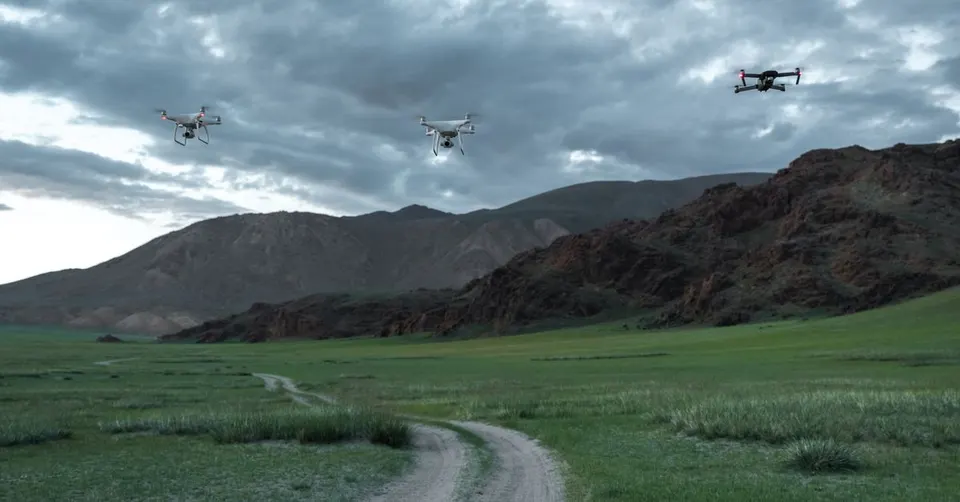
The conflict in Eastern Europe is taking a worrying turn as Ukraine’s neighbors are increasingly forced to seek shelter from stray drones. Both Russian and Ukrainian unmanned aerial vehicles (UAVs) have been veering off course, menacing civilian populations in countries not directly involved in the war. This 'collateral drone' phenomenon is adding a new layer of unpredictability to European security and keeping global risk premiums high. Even as the direct Iran-Israel fire has paused, the volatility in Eastern Europe ensures that investors remain on high alert, preventing a broader sell-off in safe-haven assets.
This persistent global instability is why oil prices have remained stubbornly close to the $100 per barrel mark. While the 'worst-case scenario' of a total Middle East energy blockade has been avoided for now, inflation and slower growth continue to weigh on the global economy. Interestingly, reports show that the world's 65 largest banks pumped $906 billion into fossil fuels in 2025, an 8% increase that suggests the energy sector's backbone remains tied to traditional fuels despite climate goals. In the local Iranian market, gold prices are settling into a lower range ahead of major U.S. inflation reports. The price of 18-karat gold fell from 18,534,327 to 18,474,537 Toman (-0.3%), and the Emami coin dropped 0.8% to 181,500,000 Toman. These movements suggest that while the immediate panic has subsided, the market is awaiting clearer signals from the Federal Reserve before making a definitive move.
Frequently Asked Questions
Why did Netanyahu halt strikes against Iran?
How has the Tehran currency market reacted to recent diplomacy?
What is the cause of the potential strike at the 2026 World Cup?
Why is oil still trading near $100 despite de-escalation?
Understanding the Geopolitical Risk Premium in Financial Markets
The phrase "Netanyahu’s 'Trump Bow' Cools Tehran Markets" highlights a critical economic concept: the geopolitical risk premium. This term refers to the additional return that investors demand for holding assets in a country or region perceived to be politically unstable, or conversely, the discount applied to a country's currency and assets due to heightened political uncertainty. When geopolitical tensions rise, investors factor in a higher probability of adverse events—such as sanctions, conflict, or policy shifts—that could negatively impact asset values or economic stability.
In practice, a rising geopolitical risk premium often manifests in several ways. For the Iranian market, the prospect of a US administration adopting a hawkish stance on Iran, reminiscent of past policies that led to the withdrawal from the Joint Comprehensive Plan of Action (JCPOA), injects significant uncertainty. This anticipated policy shift can trigger a flight to safety, where investors and citizens alike seek to protect their wealth. They might sell off local currency assets, driving down the value of the Iranian Rial (IRR) against stable currencies like the US Dollar (USD), and simultaneously increase demand for safe-haven assets such as gold, causing its price to rise in Tehran.
The "cooling" of Tehran markets, as mentioned in the headline, directly reflects this increased risk premium. It's not just about current events but also about anticipated future policy decisions. The alignment of a key regional player like Netanyahu with a potential US policy shift sends a strong signal about the future trajectory of US-Iran relations. This signal, combined with existing global risks like oil price volatility and regional instability (e.g., "Ukraine drone spillover" as a general proxy for global unease), compounds the pressure on emerging markets like Iran, making them more susceptible to capital outflows and currency depreciation. Understanding this dynamic is crucial for interpreting how international politics directly translates into domestic economic realities.