Belfast Stabbing Ignites UK Political Row as Tyre Strikes Shatter Ceasefire Hopes; USD/IRR Slides to 175,650
تنش در بریتانیا پس از حادثه بلفاست و نقض آتشبس در صور؛ دلار به ۱۷۵,۶۵۰ تومان عقبنشینی کرد
A brutal knife attack in Belfast has triggered a sharp political debate over UK equality laws, while Israeli strikes on the Lebanese city of Tyre have pushed regional tensions to a breaking point. In Tehran, the Toman gained ground as the USD/IRR pair dropped 0.7% amid a broader cooling of market volatility.
At time of publishing
USD
175,650
Toman
Gold 18K
18.44M
Toman / gram
Bitcoin
$62,608
US Dollar
Tether
176,059
Toman
Political Unrest in Belfast Triggers UK Equality Debate
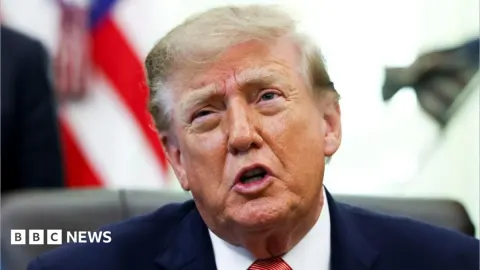
A 'brutal' stabbing in Belfast involving a Sudanese suspect in his 30s has quickly escalated from a local criminal investigation into a national political flashpoint in the United Kingdom. The attack, which was recorded and widely circulated on social media, has prompted Northern Ireland ministers to urge for calm as public anger mounts. The incident has gained significant traction due to the speed at which the footage spread, leading to concerns about social cohesion and the potential for retaliatory unrest in a region with a complex history of sectarian and social divisions.
Kemi Badenoch, a prominent figure in UK politics, has utilized the incident to challenge the current framework of equality laws. She argued that the principle of defining a 'racist incident' based on the perception of the victim or others—a standard set after the Stephen Lawrence inquiry—is fundamentally flawed. This move signals a potential shift in British policy toward more rigid interpretations of discrimination law, which could have long-term implications for social policy and immigration sentiment across the European continent. For markets, such social volatility often translates into a 'risk-off' sentiment, though the immediate impact remains localized to UK domestic policy debates.

Israel Strikes Tyre as Regional Ceasefire Hopes Falter
The geopolitical landscape in the Middle East has darkened once again as the Israeli military conducted intensive strikes on the Lebanese city of Tyre. This bombardment followed explicit evacuation warnings for the entire city, signaling a significant escalation in the conflict. The strikes occurred just twenty-four hours after Tehran issued a stern warning, stating that it would intervene or attack Israel directly if the offensive in southern Lebanon continued unabated. This development suggests that the diplomatic efforts to secure a durable ceasefire are currently in a state of collapse, raising the specter of a wider regional confrontation.
For Iranian readers and market participants, this escalation is the primary driver of currency and gold volatility. While the Tehran market showed a surprising degree of resilience today, the underlying tension remains a major factor in long-term capital flight and hedging strategies. The failure of the ceasefire agreement suggests that the 'war premium' on assets like gold and the US Dollar will likely persist, even if daily fluctuations show temporary cooling. The direct involvement of major regional powers like Iran in the rhetoric surrounding the Tyre strikes ensures that the Strait of Hormuz and regional trade routes remain under high surveillance by global energy analysts.
Green Energy Leap: Airbus and Technip Target Sustainable Aviation
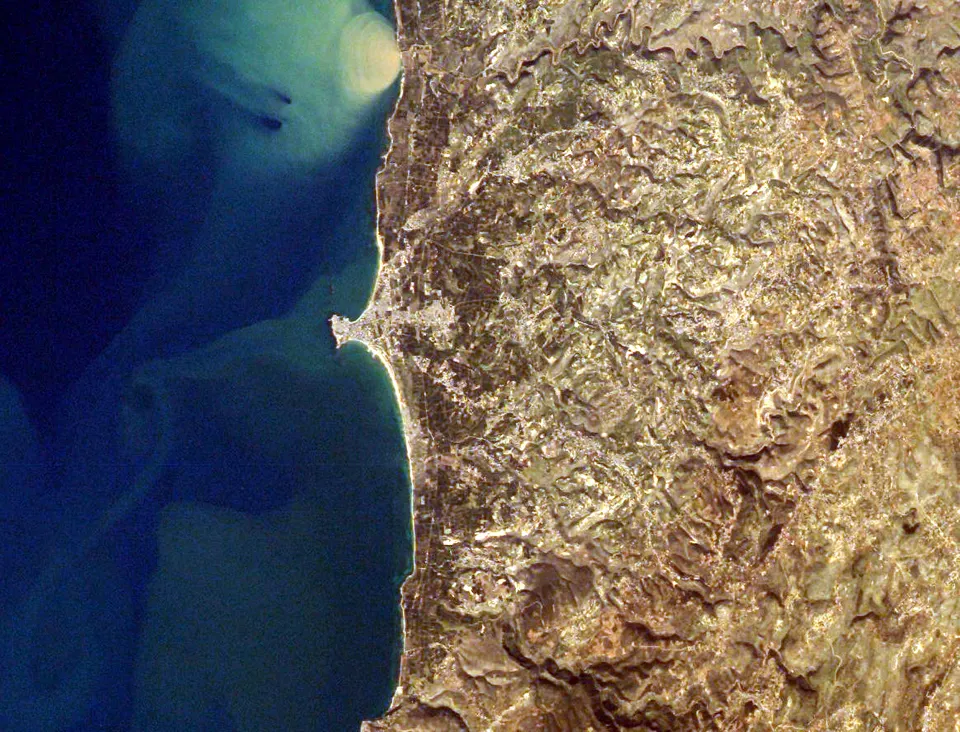
In a major move for the global energy transition, Airbus and Technip Energies have announced the formation of a joint venture named 'Rebound,' aimed at producing 160,000 tons of Sustainable Aviation Fuel (SAF) annually. Based in the Port of Dunkirk, France, the project utilizes 'Alcohol-to-Jet' technology to convert bio-sourced alcohols into high-grade jet fuel. This partnership is not merely a technical milestone but a strategic effort to bolster European energy sovereignty and reduce the aviation industry's carbon footprint, which has long been a sticking point for international climate goals.
This shift toward SAF has profound implications for traditional oil producers. As major aviation hubs and manufacturers pivot away from conventional kerosene, the long-term demand for crude oil faces a structural challenge. For economies heavily dependent on oil exports, such as those in the Middle East, the acceleration of SAF projects in Europe serves as a signal that the 'green premium' is becoming a reality in industrial logistics. While oil prices currently fluctuate based on geopolitical headlines, the 'Rebound' JV represents the kind of technological evolution that will eventually dictate global energy prices and trade balances in the 2030s.
Tehran Market Snapshot: Toman Gains as Dollar Recedes
At 16:00 Tehran time, the domestic currency and gold markets reflected a cautious but notable recovery for the Iranian Rial. The USD/IRR exchange rate moved from 176,900 to 175,650, marking a -0.7% decrease over the last 24 hours. This slight appreciation of the Toman comes despite the heightened tensions in Lebanon, suggesting that the market had perhaps over-priced the immediate risk of a regional spillover in previous sessions. The Euro also saw a slight adjustment, currently selling at 203,050 Toman, while the UAE Dirham held steady at 47,900 Toman.
In the gold sector, prices followed the downward trend of the dollar. The 18-karat gold price per gram dropped from 18,534,327 to 18,441,063 Toman, a -0.5% change. Similarly, the benchmark Emami coin fell from 183,000,000 to 181,500,000 Toman (-0.8%). Despite the local dip, global gold remains historically high at $4,337.90 per ounce, indicating that while domestic demand may have paused, the global appetite for safe-haven assets remains robust. Investors are currently balancing the local currency's recovery against the persistent threat of regional instability, leading to a period of consolidation in Tehran's trading halls.
Frequently Asked Questions
Why is the stabbing incident in Belfast impacting UK national politics?
How did the Tehran market react to the escalation in Lebanon?
What is the significance of the Airbus/Technip 'Rebound' joint venture?
Geopolitical Risk and Currency Depreciation
Geopolitical risk refers to the potential for political events, conflicts, or instability between countries or within regions to disrupt global affairs and markets. These risks can stem from various sources, including military confrontations, trade wars, political coups, or even significant policy shifts in major powers. Such events introduce a high degree of uncertainty, making it difficult for businesses and investors to plan, and often leading to a cautious or even fearful sentiment across financial markets. The ripple effects of geopolitical tensions can be far-reaching, impacting everything from commodity prices to supply chains.
One of the most immediate and visible impacts of heightened geopolitical risk is often seen in currency exchange rates. When a country or region faces significant political or military uncertainty, both domestic and international investors tend to lose confidence in its economic stability. This lack of confidence can trigger "capital flight," where investors withdraw their funds from the affected country and convert them into perceived safer currencies, such as the US dollar, Swiss franc, or Japanese yen. The increased selling of the local currency and buying of foreign currencies drives down the local currency's value relative to others.
The situation becomes particularly acute for economies already under international sanctions or experiencing persistent regional tensions, as exemplified by the recent slide in the USD/IRR exchange rate. Iran's economy has long been subject to extensive sanctions, which already limit its access to international markets and restrict foreign investment. When combined with elevated geopolitical risks, such as regional conflicts or heightened tensions with major powers, the pressure on the Iranian Rial intensifies dramatically. Investors and even ordinary citizens, seeking to protect their savings from inflation and further depreciation, often convert their rials into more stable assets like gold or foreign currency, further accelerating the rial's decline.
This rapid depreciation of a national currency has severe consequences. It makes imports more expensive, fueling domestic inflation and eroding the purchasing power of citizens. For governments, it complicates debt servicing and can deter much-needed foreign direct investment. Understanding this dynamic is crucial for comprehending how global political events translate into tangible economic impacts on everyday lives.