Trump Dismisses Energy Crisis as Iran War Fuels $4.16 Gas; Kuwait Bypasses Hormuz for First Time
انکار بحران انرژی توسط ترامپ در میان بنزین ۴ دلاری؛ کویت برای اولین بار از آغاز جنگ مسیر هرمز را دور زد
President Trump downplays surging U.S. fuel costs as the national average hits $4.16 per gallon amid the ongoing Iran conflict. Simultaneously, Kuwait has initiated its first crude shipments to Asia since the war began, signaling a major shift in global energy logistics.
At time of publishing
USD
175,750
Toman
Gold 18K
18.23M
Toman / gram
Bitcoin
$61,322
US Dollar
Tether
175,899
Toman
Trump Downplays Fuel Crisis Amid Iran Conflict
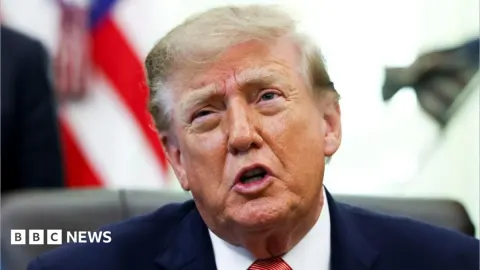
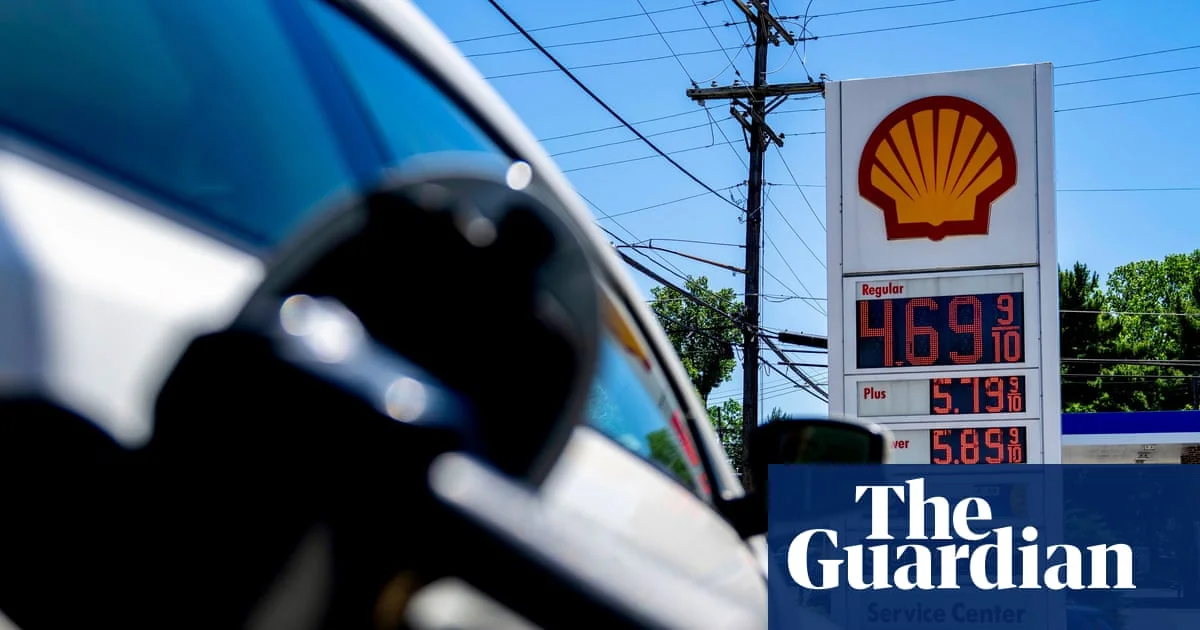
President Donald Trump has sparked a wave of domestic controversy by claiming that U.S. fuel prices are "not very high, relatively speaking," even as the national average for gas reached $4.16 per gallon this Tuesday. This figure represents a significant increase of approximately $1 compared to the same period last year, a direct consequence of the volatility sparked by the ongoing war involving Iran. While prices have dipped slightly from last month’s peak, the administration is facing intense pressure from voters who are feeling the pinch of energy inflation at the pump. Trump’s rhetoric appears aimed at projecting stability, yet the underlying economic data suggests a much more fragile reality for the American consumer.

The surge in energy costs is not merely a domestic issue for the United States; it is a barometer for the global impact of the Iran war. As the conflict drags on, the disruption of supply chains and the increased risk premium on oil have forced the U.S. administration to grapple with affordability concerns that threaten to derail broader economic growth. For Iranian observers, Trump’s stance is a critical signal of how much domestic pressure the U.S. can withstand before seeking a diplomatic off-ramp or, conversely, doubling down on military objectives to secure energy routes. The tension between political narrative and economic reality remains a primary driver of market sentiment across both hemispheres.
Regional Escalation and the Failure of Diplomacy
The geopolitical landscape in the Middle East continues to darken as Israeli strikes targeted the Beirut suburb of Dahiyeh and the city of Tyre, effectively shattering hopes for a U.S.-brokered truce. The bombardment of Tyre followed explicit evacuation warnings from the Israeli military, signaling a widening of the offensive against Hezbollah. In response, Tehran has reiterated its threats of retaliatory strikes, warning that continued aggression in Lebanon will not go unanswered. These developments have created a cycle of escalation that keeps regional markets on edge, despite a slight strengthening of the Iranian Toman in the last 24 hours.

In the currency markets, the USD/IRR exchange rate moved from 176,900 to 175,750, marking a -0.7% decrease. This marginal gain for the Toman suggests that local traders may be pricing in a temporary stalemate or perhaps a "wait-and-see" approach to the latest diplomatic efforts. However, the gold market reflected a more pronounced shift, with 18k gold dropping from 18,534,327 to 18,225,910 Toman per gram (-1.7%) and the Emami coin falling -1.1% to 181,000,000 Toman. This downward movement in precious metals often indicates a liquidity crunch or a tactical rotation out of safe havens as investors react to the immediate ebb and flow of military news.
Kuwait Bypasses Hormuz as Energy Importers Turn Inward
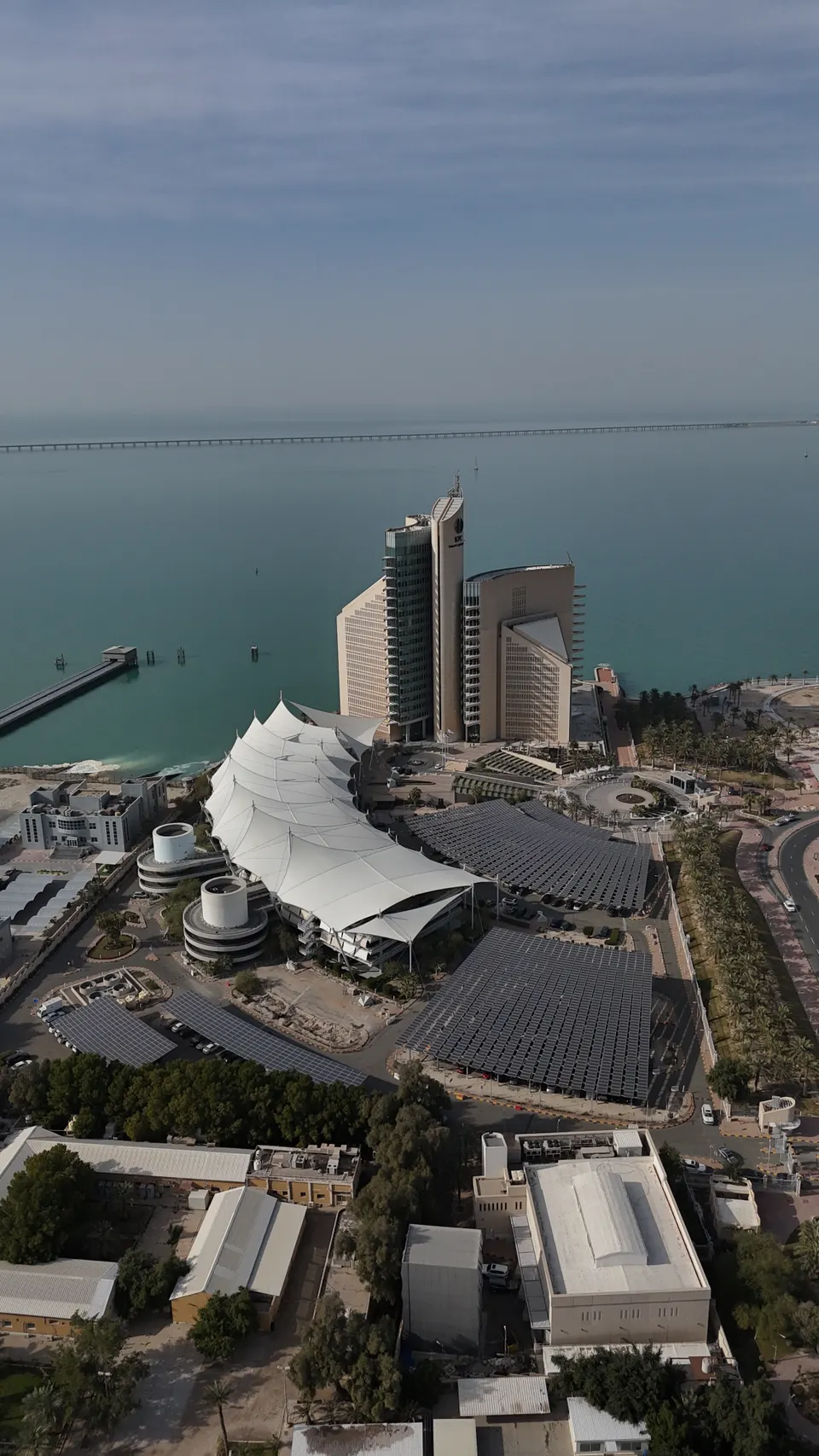
In a landmark development for global energy markets, Kuwait has offered its first crude cargoes to Asian buyers since the Iran war effectively choked off transit through the Strait of Hormuz. At least 4 million barrels of Kuwaiti crude, loaded onto two supertankers, are being marketed directly to China and South Korea. This move by the Kuwait Petroleum Corporation (KPC) highlights the desperate search for alternative logistics in a region where traditional shipping lanes have become high-risk zones. The ability of major OPEC producers to find workarounds is crucial for preventing a total collapse of Asian energy security, though it comes at a significantly higher operational cost.
Beyond the Gulf, the protracted conflict is forcing energy-importing nations to fundamentally rethink their national security strategies. Countries that once relied on the steady flow of Middle Eastern oil are now aggressively turning inward, prioritizing domestic production and renewable transitions to insulate themselves from the volatility of the Iran war. This structural shift is likely to have long-term consequences for Iran’s economic leverage; as the world learns to function with less reliance on the region's traditional exports, the eventual post-war recovery for the Iranian energy sector may face a much more competitive and fragmented global market.
Watch
Israel continues strikes on Beirut suburb • FRANCE 24 English
FRANCE 24 English
Frequently Asked Questions
Why is Donald Trump downplaying the high cost of fuel in the U.S.?
How is Kuwait managing to export oil if the Strait of Hormuz is contested?
Why did the price of gold and the USD/IRR exchange rate fall simultaneously?
The Strait of Hormuz: Global Energy's Critical Chokepoint
The Strait of Hormuz stands as one of the world's most strategically vital waterways, a narrow maritime passage connecting the Persian Gulf to the Arabian Sea and the broader Indian Ocean. At its narrowest point, it is only about 21 nautical miles (39 kilometers) wide, yet through this constricted channel flows a staggering volume of global crude oil and liquefied natural gas (LNG). Estimates suggest that approximately one-fifth of the world's total petroleum liquids consumption, and a significant portion of global LNG, transits the Strait daily, making it an indispensable artery for the international energy market.
Its immense importance stems from the fact that it is the sole sea passage for oil and gas from several major Middle Eastern producers, including Saudi Arabia, Iran, Iraq, Kuwait, Qatar, and the United Arab Emirates. These nations collectively hold a substantial share of the world's proven oil and gas reserves. Any disruption to traffic through the Strait of Hormuz — whether due to geopolitical tensions, military conflict, or acts of piracy — would have immediate and severe repercussions on global energy supplies, sending crude oil prices soaring and potentially triggering an international energy crisis.
Historically, the Strait has been a flashpoint for regional and international tensions, particularly involving Iran, which controls its northern coastline. Iran has, at various times, threatened to close the Strait in response to sanctions or perceived threats, underscoring its strategic leverage. Such threats highlight the vulnerability of global energy security, as importing countries heavily reliant on Middle Eastern oil would face severe economic instability. This constant geopolitical sensitivity makes the Strait of Hormuz a focal point for international naval presence and diplomatic efforts aimed at ensuring safe passage.
While some nations, like Kuwait in the recent headline, explore alternative export routes to bypass the Strait, these options are often limited in capacity, costly to develop, or subject to different geopolitical risks. Therefore, despite these efforts, the Strait of Hormuz remains the preeminent and irreplaceable conduit for a massive share of the world's energy resources, making its security paramount for global economic stability and energy markets.