World Cup Ticket Crisis Hits Iranian Fans as Gold Slumps 2% Amid 'Fragile' Regional Truce
شوک ابطال بلیتهای جام جهانی برای ایرانیان؛ ریزش ۲ درصدی قیمت طلا در سایه آتشبس شکننده
Iran's Football Federation reports a massive revocation of World Cup tickets, blaming US interference as geopolitical tensions bleed into sports. Meanwhile, Tehran's gold market sees a sharp 2% correction while global shipping orders for supertankers hit record highs.
At time of publishing
USD
176,000
Toman
Gold 18K
18.16M
Toman / gram
Bitcoin
$61,001
US Dollar
Tether
176,003
Toman
The Red Card: World Cup Dreams Derailed by Diplomacy
The Iranian Football Federation has sent shockwaves through the national fanbase by announcing that tickets for the upcoming World Cup have been revoked for many Iranian supporters. While the Federation stopped short of naming specific individuals, it pointed the finger directly at the United States—one of the tournament's hosts—suggesting that months of regional conflict have finally bled into the world’s most popular sporting event. This move leaves thousands of Iranian fans, many of whom had navigated complex financial hurdles and international sanctions to secure seats, in a state of administrative and emotional limbo.
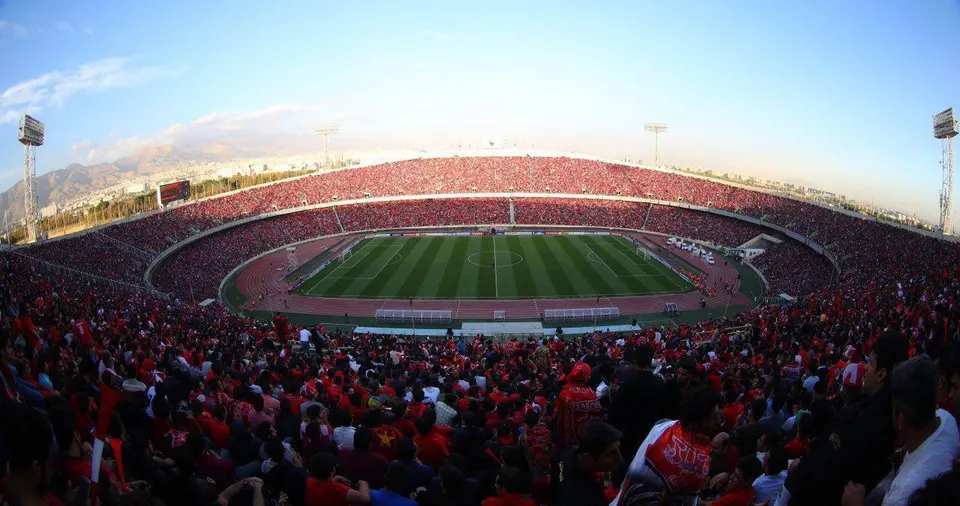
For the average Iranian, this is more than a sporting disappointment; it is a reminder of the persistent 'financial iron curtain.' With the USD/IRR exchange rate currently sitting at 176,000, the cost of international travel was already a monumental burden. The revocation of these tickets represents a direct loss of capital for those who paid through intermediaries, and it further isolates the Iranian economy from global cultural exchange. The news broke just as the Dollar saw a slight 0.5% dip from 176,900 to 176,000, perhaps reflecting a temporary lull in speculative demand as travel hopes are dashed for the summer season.
Gold Retreats as 'Fragile Truce' Calms Tehran Markets
The Tehran gold market witnessed a significant correction this hour, with 18k gold sliding 2.0% from 18,534,327 to 18,164,504 Toman per gram. This sharp decline was mirrored in the Emami coin, which dropped 1.1% to 181,000,000 Toman. Analysts attribute this 'red afternoon' to a combination of a cooling global oil rally and reports of a fragile truce between regional actors. As the geopolitical 'risk premium' evaporates, some investors are rotating out of safe-haven assets and back into more liquid positions, though the atmosphere remains thick with caution following Israeli strikes on Tyre despite Iranian warnings.
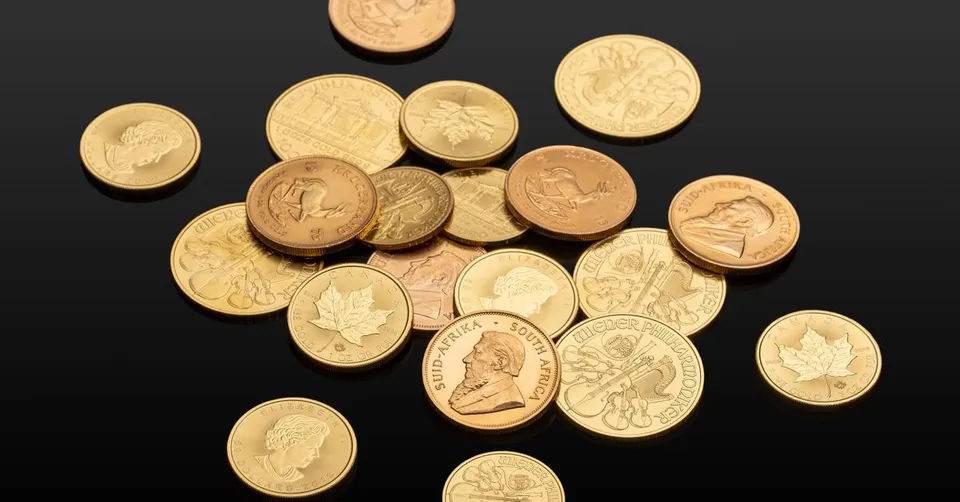
This local slump coincides with a broader easing of the US Dollar globally, which has softened as markets digest new inflation data and the prospect of a US-Iran peace deal. Despite the bearish move in Tehran, the global gold ounce remains elevated at $4,263.30, suggesting that while the immediate local panic has subsided, the long-term inflationary hedge remains attractive to institutional players. For Iranian households, this 2% drop offers a brief window for those looking to enter the market, though the volatility of the past 24 hours warns against aggressive positioning before the next round of diplomatic talks.
The Supertanker Boom and the 'MANGOS' Era
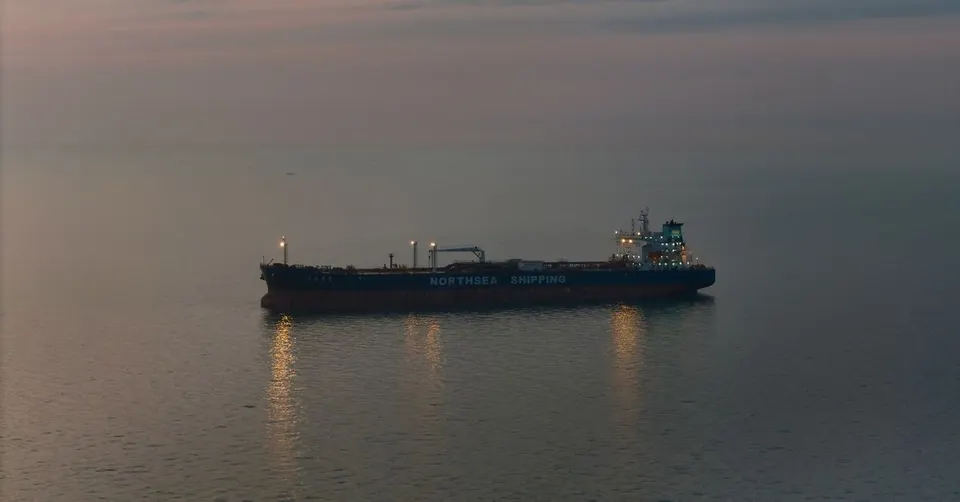
While a ceasefire has temporarily capped the oil rally, the energy industry is preparing for long-term disruption. The global order book for supertankers (VLCCs) has soared to an all-time high of 262 vessels, nearly doubling since the start of 2026. This massive investment in shipping infrastructure is a direct response to the 'Hormuz Risk,' as global traders seek to lock in capacity for a future where traditional maritime routes may no longer be guaranteed. Even as China’s demand weakens, the structural shift in how oil is moved—favoring massive carriers that can bypass regional chokepoints—is creating a new class of energy logistics powerhouses.
In the tech sector, a similar consolidation of power is occurring under different pressures. The EU has recently ordered Meta to open its WhatsApp platform to rival AI chatbots like those from OpenAI, a move Meta has labeled 'regulatory overreach.' This battle is part of a larger shift in the tech hierarchy; analysts are now moving away from the 'FAANG' acronym in favor of 'MANGOS'—representing the rise of SpaceX, Anthropic, and OpenAI (MANGOS: Meta, Apple, NVIDIA, Google, OpenAI, SpaceX). As Elon Musk edges closer to becoming the world's first trillionaire, the concentration of wealth and technological gatekeeping is reaching a fever pitch, forcing regulators to intervene before these entities become more powerful than sovereign states.
Drone Spillovers and the New Border Reality
The conflict in Eastern Europe is taking an unpredictable turn as drones from both Russia and Ukraine are increasingly straying into neighboring countries. This 'accidental' expansion of the battlefield is creating a nightmare for regional security, forcing non-combatant nations to scramble jets and seek shelter for their citizens. These incidents highlight the technical limitations of modern drone warfare, where electronic warfare and signal jamming can send lethal payloads off-course and into civilian areas of neutral states, raising the stakes for a broader continental escalation that markets have yet to fully price in.
This instability is the primary reason why the US Navy’s Task Force 59 recently conducted its first-ever drone boat rescue of a downed helicopter crew near the Strait of Hormuz. The integration of autonomous systems into search-and-rescue missions is no longer a luxury but a necessity in 'contested environments.' As traditional military boundaries blur—whether through stray drones in Europe or autonomous rescues in the Persian Gulf—the global security architecture is being rewritten in real-time. For investors, this means the 'defense and autonomy' sector is likely to remain the most resilient part of the tech market for the remainder of 2026.
Frequently Asked Questions
Why were Iranian World Cup tickets revoked?
What caused the 2% drop in Tehran gold prices today?
What is the 'MANGOS' acronym in the tech sector?
Gold as a Safe-Haven Asset: Navigating Geopolitics and Currency Swings
Gold has long been revered as a "safe-haven asset," a crucial concept in finance referring to investments that are expected to retain or even increase in value during periods of market volatility, economic uncertainty, or geopolitical turmoil. When global markets are rattled by crises, wars, or inflationary fears, investors often flock to gold, viewing it as a reliable store of value that can protect their wealth from the erosion experienced by riskier assets like stocks or some bonds. This traditional role stems from its historical use as currency, its intrinsic value, and its limited supply.
Geopolitical events, such as regional conflicts or fragile truces, frequently act as significant catalysts for gold prices. Increased instability in critical regions, like those impacting the Strait of Hormuz, typically drives up demand for gold as investors seek refuge from potential economic fallout. Conversely, a perceived de-escalation of tensions, even if the truce is "fragile," can sometimes lead to a temporary dip in gold prices, as the immediate flight-to-safety motive diminishes. However, this reaction is often nuanced, reflecting market participants' varying interpretations of the long-term stability and the potential for renewed conflict.
Beyond global risk, local economic conditions and currency dynamics play a crucial role in gold's appeal, especially for individual investors. In countries experiencing high inflation or significant currency depreciation, like Iran with its USD/IRR exchange rate fluctuations, gold often becomes a preferred hedge against the loss of purchasing power. Even if the international price of gold remains stable or declines slightly, its price in local currency can surge if the domestic currency weakens significantly. This makes gold not just a global safe haven but also a vital tool for wealth preservation in specific national economies, offering protection against domestic economic instability.
Therefore, gold's behavior is a complex interplay of global risk perceptions, interest rate expectations, the strength of major currencies like the U.S. dollar, and local economic realities. While a "slump" in gold during a "fragile truce" might seem counterintuitive at first glance, it underscores the multifaceted factors influencing its value, from immediate geopolitical sentiment to underlying currency pressures and investor confidence in the broader economic outlook.