Belfast Riots and Hormuz Tensions: Trump Vows Retaliation as NASA Sets Sights on the Moon
شعلههای خشم در بلفاست و تنش در هرمز؛ وعده تلافی ترامپ در کنار شمارش معکوس ناسا برای ماه
Riots in Belfast have escalated with a bus set ablaze following a knife attack, while President Trump blames Iran for a downed helicopter in the Strait of Hormuz. Despite the geopolitical heat, Tehran's markets saw a surprising retreat in gold and currency prices today.
At time of publishing
USD
176,300
Toman
Gold 18K
18.18M
Toman / gram
Bitcoin
$61,785
US Dollar
Tether
176,954
Toman
Belfast Ablaze: Anti-Immigration Tensions Boil Over
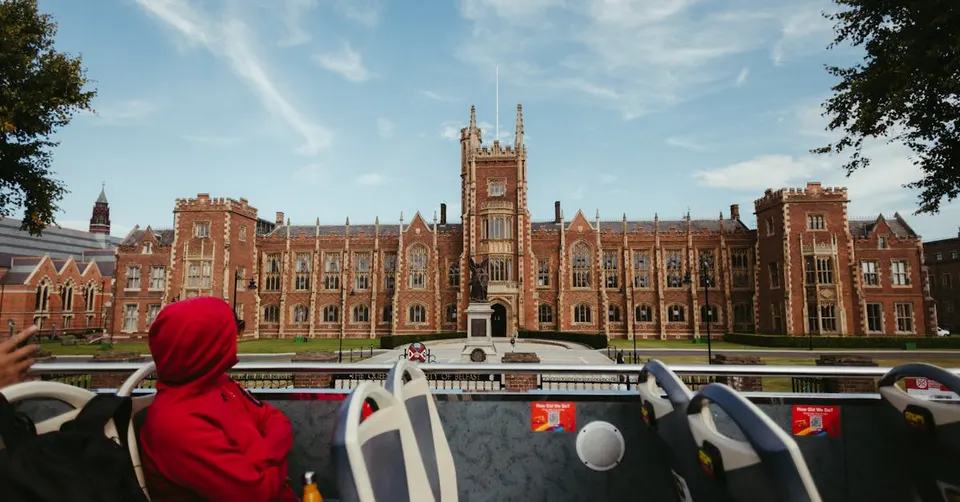
The city of Belfast is currently witnessing some of its most severe civil unrest in recent years. Following a stabbing incident involving a Sudanese national, anti-immigration protesters have taken to the streets, resulting in a double-decker bus being set on fire and widespread clashes with police. The situation has quickly evolved from a localized tragedy into a national political flashpoint. Kemi Badenoch, a prominent political figure, has entered the fray, criticizing the current interpretation of equality laws. She argued that the principle of defining a racist incident based on the victim's perception has turned the law into a "sword" rather than a "shield," potentially exacerbating social divisions rather than healing them.
For the Sudanese community in Belfast, the atmosphere has turned from welcoming to terrifying. Local business owners report being hounded by mobs, and the sense of security that once characterized Northern Ireland’s capital is rapidly evaporating. This unrest is not just a domestic issue for the UK; it signals a broader European trend of rising nativist sentiment that often precedes significant shifts in migration policy and labor market regulations. Investors are closely watching the UK's response, as prolonged instability could weigh on the British Pound and affect consumer confidence across the Isles.
Trump Blames Iran for Hormuz Incident; Markets Defy Gravity
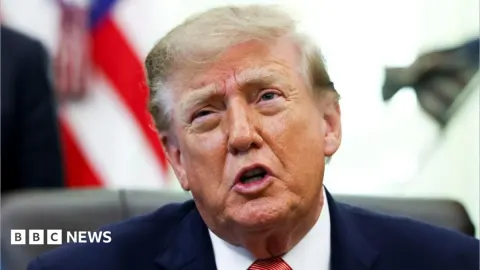
Geopolitical tensions reached a fever pitch today as President Donald Trump explicitly blamed Iran for the downing of a US Army Apache helicopter near the Strait of Hormuz. While the two crew members were miraculously rescued in a high-tech operation involving unmanned drone boats, the rhetorical fallout is just beginning. Trump has warned that the United States "must, of necessity, respond to this attack," raising the specter of a direct military confrontation in the world's most critical energy chokepoint. This comes at a time when regional stability was already fragile, and the direct accusation from the Oval Office suggests that the previous 'strategic patience' policy may be coming to an end.
Surprisingly, Tehran’s financial markets reacted with a measured retreat rather than a panic-driven spike. The USD sell rate in Tehran moved from 176,900 to 176,300, a decrease of 0.3%. Even more notable was the performance of gold; 18k gold per gram fell from 18,534,327 to 18,184,126, a significant 1.9% drop. The Emami gold coin also retreated from 183,000,000 to 181,000,000 Toman (-1.1%). This suggests that local traders may be betting on the rescue of the pilots as a de-escalation signal, or perhaps they are exhausted by the constant cycle of threats, choosing instead to focus on the underlying liquidity conditions which currently favor a slight cooling of prices.

NASA’s Artemis III: The Next Giant Leap Gets a Crew
In a rare piece of positive global news, NASA has officially assigned the crew for the Artemis III mission, the first attempt to return humans to the lunar surface in over half a century. The mission, currently scheduled for 2027, represents a monumental technological and logistical challenge. The crew selection is a diverse group of elite pilots and scientists who will be the first to explore the lunar South Pole. This region is of immense strategic interest because of its water ice deposits, which could theoretically be converted into fuel for future missions to Mars. The announcement serves as a reminder that despite the chaos on Earth, the space race remains a primary driver of high-tech innovation.
However, the mission faces significant hurdles. Questions remain regarding the reliability of the Blue Origin New Glenn rocket after its recent explosion, and the aggressive timeline has many industry experts skeptical. For the global economy, the success of Artemis III would mean a massive boost for the aerospace and semiconductor sectors. As memory makers enter a new 'supercycle' driven by high-performance computing needs for both AI and space exploration, the technological ripple effects of this mission will likely be felt in everything from consumer electronics to advanced telecommunications infrastructure.

FIFA Struggles to Fix the World Cup Ticket Crisis
For thousands of Iranian football fans, the dream of attending the 2026 World Cup has hit a bureaucratic wall. FIFA is currently scrambling to resolve a crisis after a significant portion of the ticket allocation for Iranian supporters was abruptly revoked. While FIFA officials claim they are working to "maximize opportunities" for fans to attend, the incident has left many supporters in limbo, facing lost travel costs and immense frustration. This situation highlights the ongoing difficulties Iran faces in integrating with global sporting and financial systems, even when politics are supposedly set aside for the 'beautiful game.'
The ticket crisis is more than just a sports story; it is a reflection of the logistical friction that continues to plague Iranian international relations. Whether due to banking sanctions, security concerns, or administrative errors, the result is the same: a sense of isolation for the Iranian public. As the tournament draws closer, the pressure on FIFA and the Iranian Football Federation to find a solution is mounting. For the average Iranian, this is a bitter pill to swallow during a week where geopolitical headlines are already dominated by talk of military retaliation and regional conflict.
Frequently Asked Questions
Why did gold and USD prices fall in Tehran despite Trump's threats?
What is the core issue behind the Belfast riots?
Will the Artemis III mission really happen in 2027?
Can Iranian fans still get tickets for the 2026 World Cup?
How International Sanctions Shape Iran’s Currency and Gold Markets
International sanctions are a powerful tool that governments use to pressure a target country without resorting to military force. In the case of Iran, U.S. and EU sanctions have restricted its ability to sell oil, access the global financial system, and conduct foreign trade. When a country cannot earn hard currency (like dollars or euros) from its main exports, the supply of foreign exchange in the domestic market shrinks dramatically. This scarcity forces the local currency— the Iranian rial (IRR)—to lose value against the dollar, a process that can be observed in the steep USD/IRR exchange‑rate movements reported in June 2026.
A depreciating rial has two immediate macro‑economic consequences. First, imported goods become more expensive, fueling inflation and eroding real wages. Second, Iranians turn to alternative stores of value, most notably gold. Tehran’s gold market often reacts more sharply than official exchange‑rate adjustments, with the price of gold in rials spiking whenever sanctions tighten or regional tensions flare, such as the recent helicopter crash in the Strait of Hormuz. Gold thus serves as both a hedge against currency risk and a barometer of geopolitical stress.
The feedback loop between sanctions, exchange rates, and gold prices can also affect broader fiscal stability. A weaker rial reduces the government’s purchasing power for essential imports like medicine and food, prompting authorities to intervene with subsidies or foreign‑exchange controls. However, such measures can strain the state budget and may lead to further devaluation if market confidence does not improve. Understanding this dynamic helps explain why headlines about “USD IRR exchange rate June 2026” or “Gold price Tehran today” are not isolated financial tidbits but symptoms of a larger sanctions‑driven economic crisis.
Policymakers and investors monitor these indicators closely because they signal the health of Iran’s economy and the potential for escalation. If sanctions intensify—perhaps in response to geopolitical events like the Belfast riots or heightened tensions in the Hormuz Strait—expect sharper rial depreciation and higher gold premiums. Conversely, any diplomatic thaw or sanction relief can stabilize the exchange rate and temper gold price volatility, offering a glimpse of how political decisions ripple through markets.