Indian Sailors Stranded After US Strike; Iran Reassess Peace Talks Amid Escalation
ملوانان هندی پس از حمله آمریکا سرگردان شدند؛ ایران در بحبوحه تشدید تنشها، مذاکرات صلح را بازنگری میکند
Indian sailors were left stranded after a U.S. missile strike off the coast of Oman, prompting frantic calls for help. Meanwhile, Middle East peace talks are in doubt as Iran signals a reassessment of its participation following escalating U.S.-Iran military exchanges.
At time of publishing
USD
177,800
Toman
Gold 18K
17.81M
Toman / gram
Bitcoin
$61,462
US Dollar
Tether
177,999
Toman
Indian Sailors Stranded After US Strike Off Oman
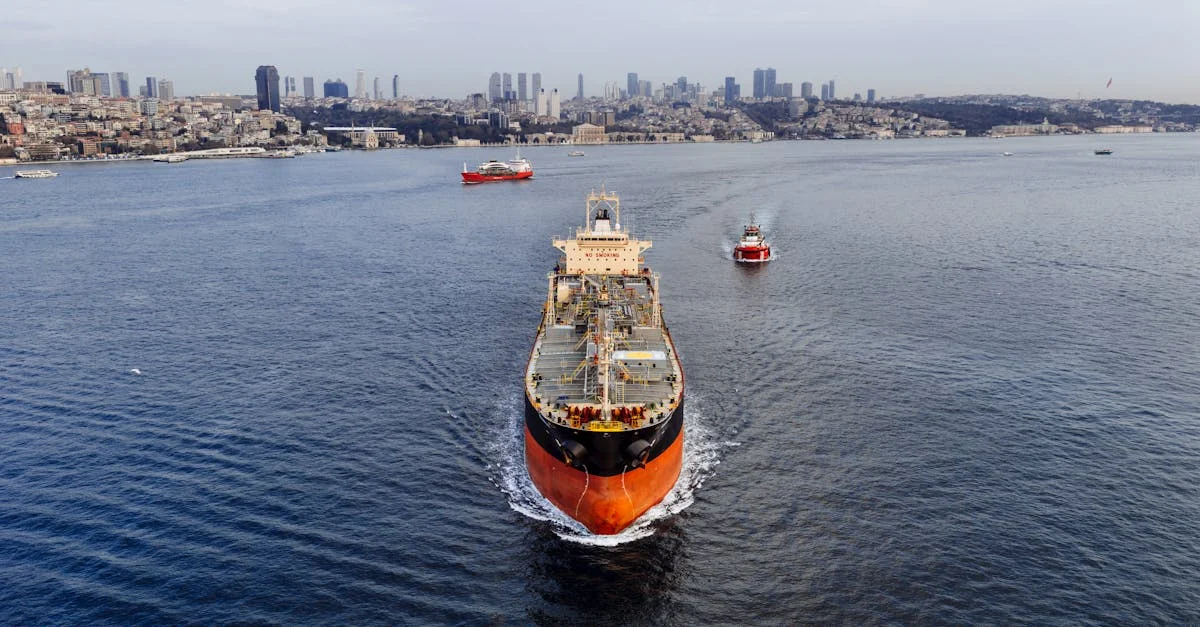
In a harrowing incident that underscores the escalating tensions in the region, 24 Indian sailors found themselves stranded for over two hours following a U.S. missile strike off the coast of Oman. The crew made frantic calls for assistance before being rescued by an Omani military helicopter. The U.S. military stated that the vessel had violated its blockade of Iran, indicating a significant escalation in naval operations and potential collateral damage in vital shipping lanes. This event highlights the increased risks faced by international maritime traffic amidst the ongoing conflict.
This incident directly impacts global trade routes and the safety of international crews operating in proximity to conflict zones. The U.S. assertion of enforcing a blockade, even against vessels not directly involved in hostilities, raises questions about maritime law and the scope of military operations. For Iran, such actions by the U.S. could be perceived as further provocations, potentially leading to more assertive responses and deepening the cycle of escalation. The involvement of Omani rescue forces also points to the precarious position of regional states caught between larger powers.
---
Iran Reassesses Peace Talks Amidst Escalating US Strikes
The future of Middle East peace talks is now in serious doubt, as Iran announced its intention to "reassess" its participation following a series of overnight strikes by the United States. These U.S. strikes were reportedly in retaliation for Iran's alleged downing of a U.S. army helicopter near the Strait of Hormuz. The exchange of fire has drawn neighboring states back into an on-again, off-again war that has been simmering since late February, creating a volatile geopolitical landscape.
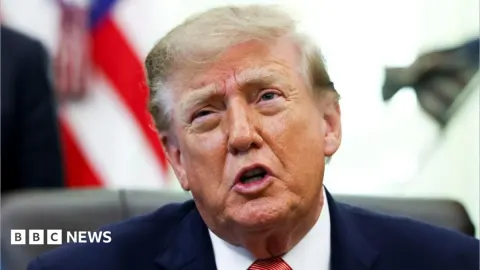
President Trump has further inflamed the situation by accusing Iran of taking "too long to negotiate" an end to the conflict, warning that Tehran "will now pay the price." This rhetoric, coupled with military actions, suggests a hardening of U.S. policy and a potential departure from diplomatic overtures. Experts like Danny Citrinowicz, former head of the Iran branch of Israeli military intelligence, caution that continued confrontation without addressing Iran's demands on sanctions relief is unlikely to yield a favorable outcome for the U.S. and could spiral into wider conflict.
---
Bitcoin-Native DeFi Project Botanix Shuts Down Amidst Weak Demand
In a stark reminder of the volatility and challenges within the decentralized finance (DeFi) space, the Bitcoin-native DeFi project Botanix has announced it will shut down after four years of operation. The developers cited insufficient demand for Bitcoin-native DeFi solutions as the primary reason for the closure, urging users to withdraw their assets by July 9th. This move signals a potential slowdown or a significant shift in user interest away from this specific niche within the broader crypto market.
The post-mortem analysis from Botanix, as reported by CoinDesk, bluntly states "It did not work. At least not in this market and not in this timeline." This sentiment reflects a broader challenge for many DeFi projects that struggle to gain significant traction or sustain user engagement, especially when competing with more established platforms or facing broader market downturns. For investors and developers in the Bitcoin DeFi ecosystem, this closure raises questions about the viability and future growth prospects of building complex financial applications directly on the Bitcoin blockchain, beyond its core use cases.

---
Kazakhstan Boosts Oil Supply Amidst Strait of Hormuz Concerns
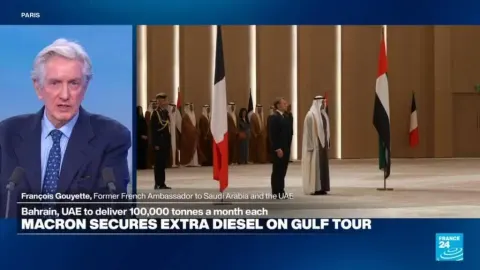
Kazakhstan's Energy Minister, Yerlan Akkenzhenov, has stated that oil buyers are urging the OPEC+ producer to ramp up crude supply and deliver maximum available volumes. This increased demand stems directly from the ongoing disruptions and closures in the Strait of Hormuz, a critical chokepoint for global oil shipments. Customers are actively seeking alternative supply routes and greater volumes from producers like Kazakhstan to mitigate the impact of potential supply shortages and price spikes.
The minister noted that while Kazakhstan is being asked to increase supplies, the country faces "infrastructure constraints within the limits of Kazakhstan's" capacity. This highlights a potential bottleneck in the global energy market; even if a producer can meet demand, the ability to transport that oil efficiently can be a limiting factor. The situation underscores the fragility of global energy security, where regional conflicts can have immediate and far-reaching consequences on oil prices and availability worldwide, impacting economies far beyond the immediate conflict zone.
Frequently Asked Questions
What happened to the Indian sailors?
How is the U.S.-Iran conflict affecting peace talks?
Why did the Botanix DeFi project shut down?
How is the Strait of Hormuz situation impacting oil supply?
What is the current trend for the USD/IRR exchange rate?
Why the Strait of Hormuz Matters: A Global Oil Chokepoint
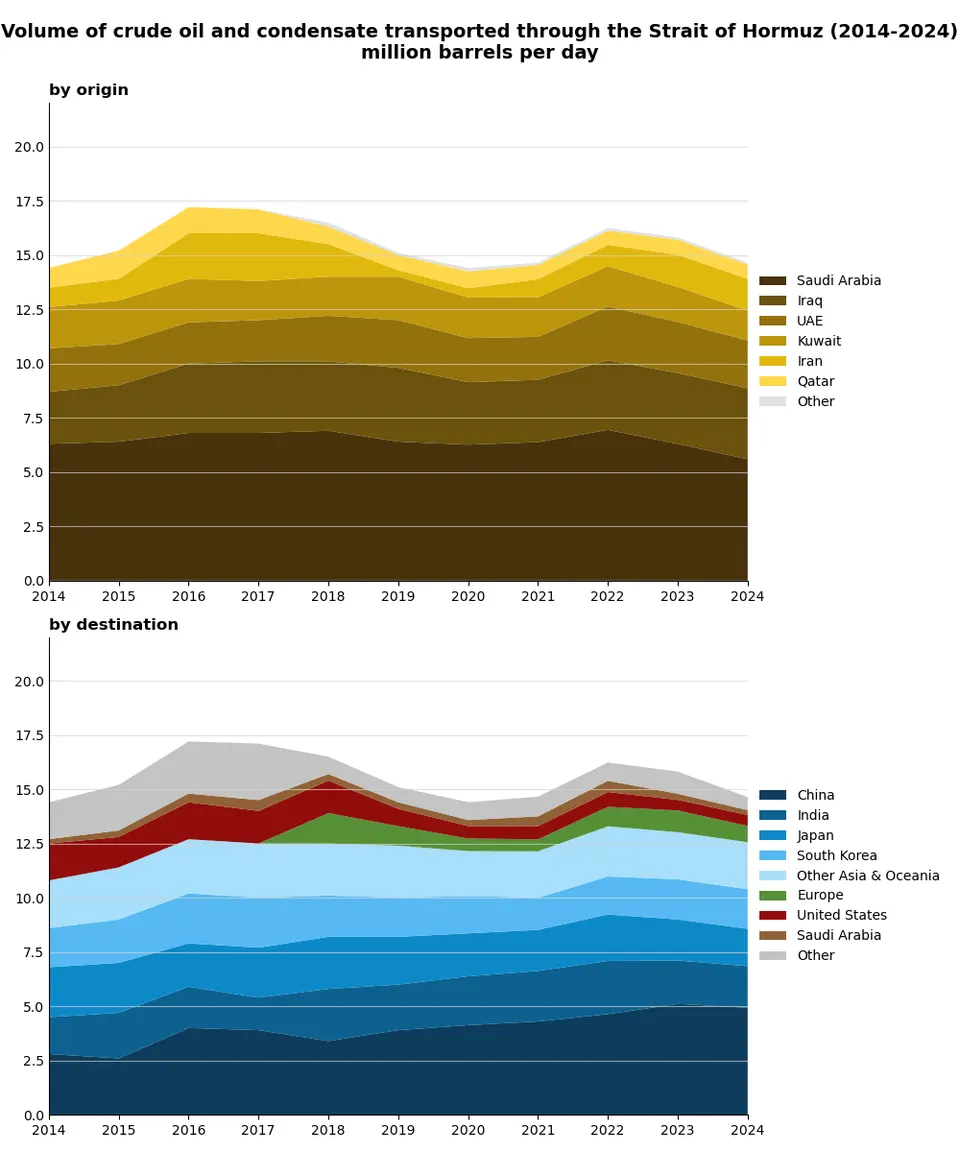
The Strait of Hormuz, a narrow waterway between Oman’s Musandam Peninsula and Iran’s Hormoz Island, is one of the world’s most critical maritime chokepoints. At its narrowest point the channel is just 21 nautical miles wide, yet roughly 20% of global petroleum passes through it daily. This concentration makes any disruption—whether from military conflict, piracy, or accidents—a potential shock to international oil markets and, by extension, to the global economy.
Because the strait sits at the mouth of the Persian Gulf, it is the only sea route for oil exported from major producers such as Saudi Arabia, Iraq, the United Arab Emirates, Kuwait, and even landlocked Kazakhstan via pipelines to the Gulf. When tensions flare between the United States and Iran, as they have in 2024, both sides know that targeting vessels in the Hormuz corridor can quickly raise the cost of oil, trigger price spikes, and pressure governments into diplomatic concessions. The recent incident that left Indian sailors stranded after a U.S. strike underscores how quickly civilian shipping can become collateral in geopolitical games.
International law, particularly the United Nations Convention on the Law of the Sea (UNCLOS), guarantees the right of innocent passage through straits used for international navigation. However, the convention also allows coastal states to take necessary measures for security, creating a gray area that states exploit during crises. Iran has repeatedly threatened to close the strait in retaliation for attacks, while the U.S. Navy routinely conducts freedom‑of‑navigation operations to reassure commercial traffic. This tug‑of‑war shapes the strategic calculus of energy‑dependent nations and fuels the urgency of peace talks in the region.
For investors and policymakers, the Hormuz factor is a reminder that geopolitical risk is baked into oil price dynamics. When assessing the impact of events like the U.S. strike, the potential for a temporary closure or heightened insurance premiums for tankers can be as consequential as the underlying supply‑demand fundamentals. Understanding the strait’s role helps explain why seemingly distant diplomatic negotiations—such as the Iran‑U.S. peace talks—can have immediate repercussions on everything from gasoline prices in India to the valuation of Bitcoin DeFi projects that thrive on market volatility.
In short, the Strait of Hormuz is not just a narrow channel of water; it is a geopolitical lever that amplifies regional conflicts into global economic consequences. Monitoring developments there offers a window into the interconnectedness of security, energy, and finance in the modern world.