US-Iran Tensions Flare, Ebola Crisis Deepens in DRC, WH Smith Warns on Profits
تشدید تنش آمریکا-ایران، بحران ابولا در کنگو، هشدار سود WH Smith
Geopolitical tensions escalate as the US strikes Iran following a helicopter crash, while the DRC grapples with attacks on Ebola health workers. Meanwhile, WH Smith issues a profit warning due to Middle East conflict impacts. Drinking water facilities in Iran are also reported to be hit by strikes.
At time of publishing
USD
177,700
Toman
Gold 18K
17.90M
Toman / gram
Bitcoin
$62,054
US Dollar
Tether
178,049
Toman
US Strikes Iran Amidst Escalating Regional Tensions
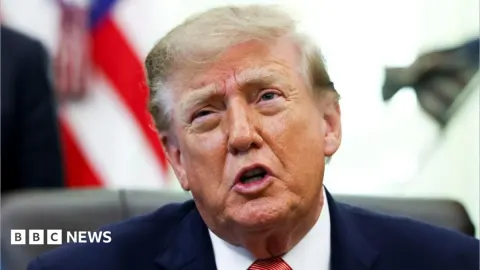
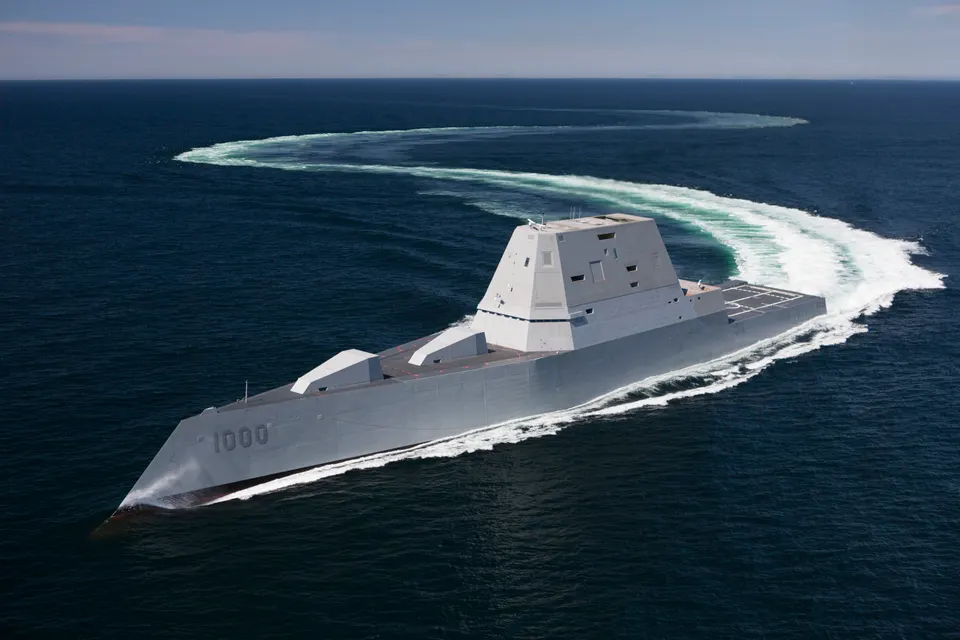
The United States has launched airstrikes against Iran early Wednesday, a significant escalation following accusations that Tehran was responsible for the crash of an American attack helicopter. This move comes amidst a backdrop of increased regional instability, with Iran reportedly firing on countries in the region. U.S. President Donald Trump issued a statement indicating impatience with negotiations and a resolve to make Iran "pay the price," further heightening concerns of a wider conflict.
This retaliatory action has immediate implications for global markets and the broader geopolitical landscape. The attacks targeted Iranian air defense and radar systems, signaling a calibrated response but one that undeniably ratchets up the stakes. For Iran, these strikes could lead to further internal consolidation and a hardening of its stance, potentially impacting its willingness to engage in diplomatic solutions. The ripple effect could also influence oil prices and shipping routes, particularly in the Strait of Hormuz, a critical artery for global energy supplies. The market's reaction, evident in currency and gold price movements, underscores the sensitivity to such escalations.
---
Ebola Health Workers Under Attack in DRC Amidst Mistrust
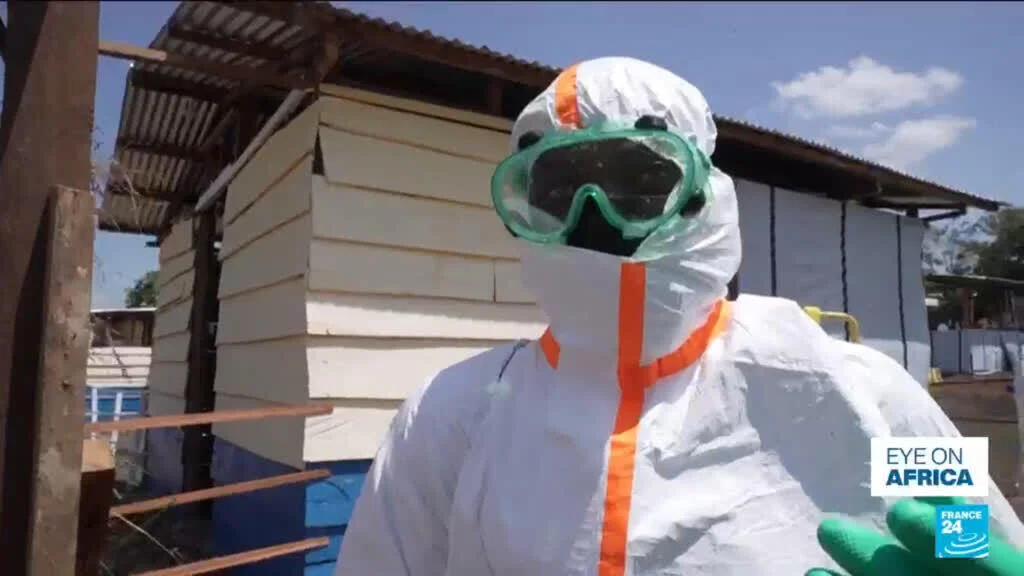
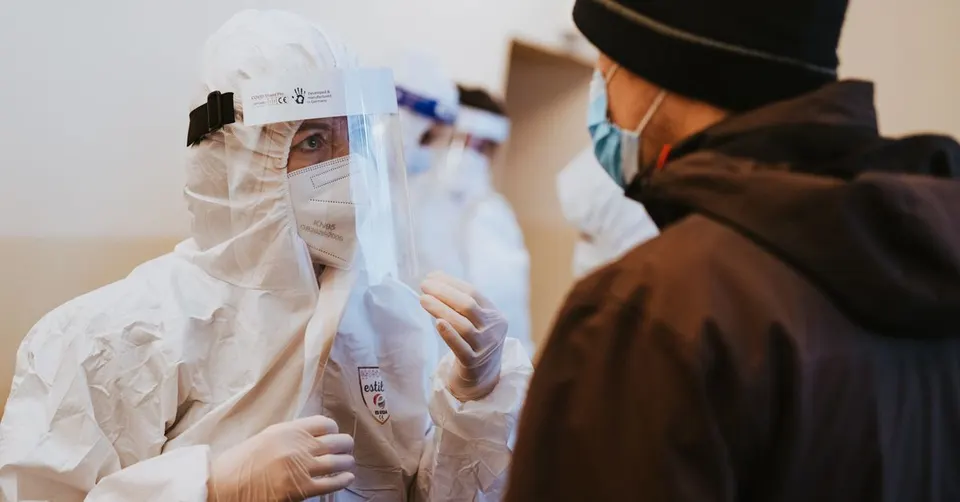
In the Democratic Republic of Congo, health workers battling the Ebola outbreak are facing a dangerous reality: they are under attack. The government has confirmed nearly 600 cases, yet local populations exhibit mistrust, leading to resistance and direct assaults on burial teams and treatment centers. This violence severely hampers the critical efforts to contain the virus and protect communities.
The situation highlights a persistent challenge in public health crises within fragile regions: the dangerous intersection of fear, misinformation, and a lack of trust in authorities. When frontline responders are targeted, the very infrastructure designed to save lives is compromised. This not only delays containment but also risks spreading the virus further as people avoid seeking medical attention or actively obstruct vital public health interventions. The danger faced by these workers is a stark reminder of the human cost of conflict and mistrust in humanitarian efforts.
---
WH Smith Warns on Profits as Middle East Conflict Impacts Airport Retail
British retailer WH Smith has issued a profit warning and raised £100 million in fresh capital, citing a downturn in trading conditions significantly impacted by the ongoing war in the Middle East. The company, which operates over 1,200 stores globally, particularly in airports and travel hubs, has seen a decline in shopper numbers in its U.S. airport outlets. This has prompted a strategic shift, including plans to close unprofitable stores and invest in technology.
The warning underscores the tangible economic consequences of geopolitical conflicts, even for businesses seemingly distant from the direct battlegrounds. The disruption to travel patterns, particularly air travel, directly affects airport retailers like WH Smith. The need to raise capital suggests financial strain, aiming to strengthen the balance sheet, pay down debt, and fund necessary restructuring. This situation serves as a cautionary tale for businesses reliant on global mobility and consumer confidence, demonstrating how international crises can translate into domestic financial pressures.
---
Drinking Water Facilities in Iran Targeted by Strikes
State media in Iran has reported that drinking water facilities have been hit by strikes, with two crucial water tanks serving thousands of people sustaining damage. While the reports do not explicitly name the perpetrators, they come amidst heightened regional tensions and U.S. military actions in the area. The U.S. military has not yet responded to requests for comment on these specific incidents.
This development adds another layer of concern to the already precarious situation in Iran. Damage to essential infrastructure like water supply systems can have severe humanitarian consequences, impacting public health and daily life for a significant population. Coming on the heels of other reported strikes, it suggests a deliberate targeting of critical services, potentially aimed at increasing pressure or causing widespread disruption. The lack of immediate comment from the U.S. military leaves room for speculation but emphasizes the volatile nature of the current regional climate.
Watch
'We're always in danger': In DRC, Ebola health workers under attack • FRANCE 24 English
FRANCE 24 English